
Plants
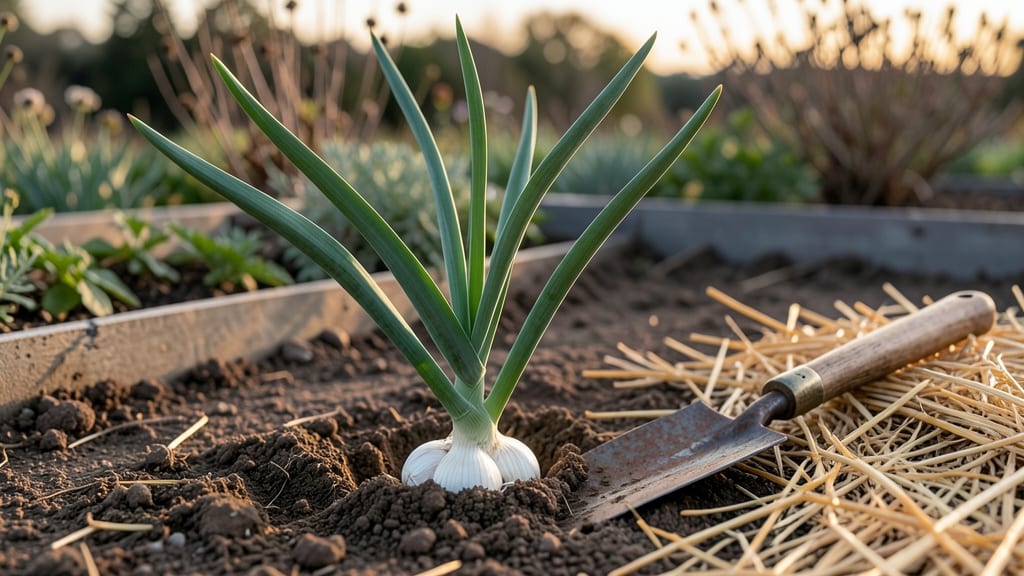
Planting garlic in Zone 7 at the wrong time could mean the difference between a bumper crop of flavorful bulbs and a disappointing harvest. The key to success isn't just when you plant—it's understanding how your local climate and frost dates work together to create the perfect growing conditions.
For Zone 7 gardeners, the ideal window opens in October and closes before the ground freezes solid. This timing gives your garlic the 60-90 days of cold it needs to develop strong roots and plump bulbs.
Whether you're growing hardneck varieties for those prized scapes or softneck for storage, getting this right makes all the difference.
I'll walk you through exactly when to plant in your specific subzone (7a or 7b), how to adjust for early or late frosts, and what to watch for in soil temperature.
Plus, I'll share my top tips for preparing your planting area so your garlic gets off to the best possible start.
Ready to grow garlic that rivals what you'd find at the farmers' market? Let's dive into the secrets that will transform your fall planting into a summer harvest you'll be proud of.

The ideal fall planting window for garlic in Zone 7
Timing garlic correctly in Zone 7 is the secret to growing large, flavorful bulbs. Unlike spring planting, fall garlic thrives when planted 4-6 weeks before the ground freezes, allowing roots to establish before winter dormancy.
In Zone 7, this typically means mid-October to early November, but exact dates depend on your specific last frost date and soil conditions.
Garlic needs cold temperatures (32-40°F) to form bulbs properly. If planted too early, cloves may sprout and get damaged by frost. If planted too late, roots won’t establish before winter, leading to small, weak bulbs.
The key is finding that sweet spot where the soil is cool but not frozen.
Lunar planting phases can also influence success. Planting during the waning moon (when the moon is shrinking) is traditionally believed to encourage root growth, which is ideal for garlic. Aim for the last quarter moon in October for optimal results.
| Zone 7 Timing Factor | Ideal Specification | Adjustment Tips |
|---|---|---|
| Planting Month | Mid-October to early November | Plant 4-6 weeks before first frost |
| Soil Temperature | 40-50°F (4-10°C) | Use soil thermometer; wait if too warm |
| Lunar Phase | Waning moon (last quarter) | Avoid full moon for better root growth |
| First Frost Date | November 15-25 (Zone 7a/b) | Check local almanac for exact dates |
| Planting Depth | 2 inches deep, pointy end up | Adjust for soil type (sandy = deeper) |
For Zone 7a (colder microclimates), plant by October 15 to ensure roots establish before frost. In Zone 7b (warmer areas), you can extend planting until November 1. Always test your soil temperature—if it’s above 50°F (10°C), wait a week or two before planting.
If you miss the fall window, you can plant garlic in early spring (February-March), but bulbs will be smaller and less flavorful. Fall-planted garlic benefits from winter chilling, which triggers bulb formation.
For best results, stick to the fall schedule and prepare your soil in advance with compost and balanced fertilizer.
Early frosts can disrupt planting. If frost arrives unexpectedly, cover garlic with straw mulch (4-6 inches) to insulate the soil. This protects young plants and maintains consistent soil temperatures. Remove mulch in spring once growth resumes.
Hardneck varieties like ‘German White’ or ‘Music’ thrive in Zone 7’s winters, while softneck types like ‘Silverskin’ may need slightly earlier planting. Hardnecks produce scape shoots in spring, which can be harvested for extra flavor, making them a favorite for Zone 7 gardeners.
After planting, water lightly to settle the soil, then reduce watering until spring. Garlic needs moderate moisture but can’t tolerate soggy soil. Mulch with straw or leaves to retain moisture and suppress weeds. By following these timing tips, you’ll harvest plump, high-quality bulbs in late summer.
Pro tip: Mark your planting date on a calendar and note the soil temperature at planting. This helps refine your timing for future years. With the right fall window, Zone 7 gardeners can enjoy homegrown garlic that rivals store-bought—if not beats it!
How to choose garlic varieties for Zone 7’s climate
Zone 7’s mild winters and warm summers make it perfect for growing garlic, but not all varieties thrive equally. The hardneck vs. softneck debate is critical—each type has unique cold tolerance and planting windows.
For Zone 7, I recommend hardneck varieties like Music or German White for their cold-hardiness and robust bulb production, while softneck types like Artichoke or Silverskin work better for storage and spring planting.
Hardneck garlic requires vernalization (cold exposure) to form bulbs, so fall planting is non-negotiable. Softneck varieties, however, are more flexible—they can handle spring planting in Zone 7 if you miss the fall window.
The key difference? Hardnecks produce scape shoots (those curly stems) in spring, while softnecks don’t. In Zone 7, hardnecks yield larger bulbs, but softnecks store longer.
| Variety Type | Cold Hardiness | Planting Window | Best For | Zone 7 Notes |
|---|---|---|---|---|
| Hardneck (e.g., Music, German White) | Survives -20°F to -30°F | Fall only (Oct-Nov) | Larger bulbs, scape shoots | Ideal for Zone 7a/b winters; harvest in July. |
| Softneck (e.g., Artichoke, Silverskin) | Tolerates 15°F to 20°F | Fall or spring (Oct-Nov or Mar-Apr) | Longer storage, milder flavor | Spring planting works in Zone 7b; avoid late fall. |
| Elephant Garlic (Hybrid) | Survives 0°F to 10°F | Fall only (Oct-Nov) | Giant cloves, milder taste | Great for Zone 7a; harvest in August. |
| Purple Stripe (Hardneck) | Survives -15°F | Fall only (Oct-Nov) | Decorative purple stripes | Best for Zone 7b; harvest in July. |
For Zone 7a (colder winters), stick to hardneck varieties like Music or Chesnok Red. They need 60-80 days below 40°F to form bulbs, so plant by November 1st at the latest.
In Zone 7b (warmer winters), you can extend planting to early December, but avoid planting after the first frost—softnecks like Artichoke become risky.
Pro tip: If you’re experimenting with spring planting in Zone 7, choose softneck varieties and plant in March when soil temps hit 40°F. However, spring-planted garlic often yields smaller bulbs compared to fall-planted hardnecks. For maximum flavor and size, fall planting is king in Zone 7.
Don’t overlook soil prep—Zone 7’s clay-heavy soils need amendments like compost or sand to improve drainage. Mix in aged manure or a balanced fertilizer (5-10-10) before planting. Hardnecks thrive in loamy, well-draining soil, while softnecks are more adaptable.
Mulch with straw or leaves after planting to protect cloves from freeze-thaw cycles during Zone 7’s unpredictable winters.
For maximum yield, harvest hardneck garlic when lower leaves brown (usually July in Zone 7) and braid softneck varieties for longer storage. In Zone 7, hardnecks often produce 3-5 cloves per bulb, while softnecks yield 10-20 smaller cloves.
Choose based on your needs—hardnecks for flavor, softnecks for storage.
🌱