
Plants
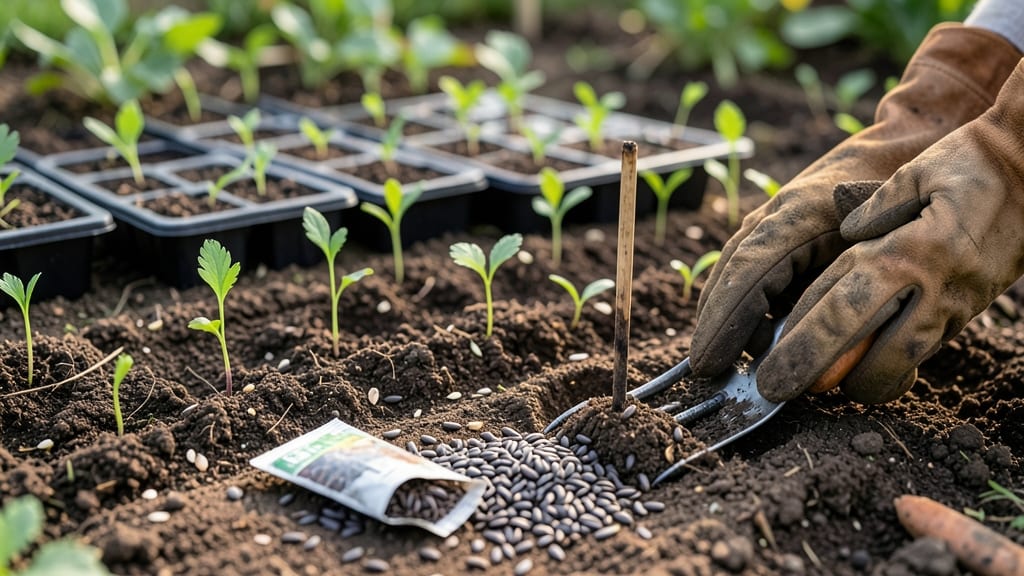
Timing your 🥕 carrot planting in East Texas isn't just about the calendar—it's about outsmarting the region's unpredictable swings from frost bites to scorching heat. One wrong move, and your crisp, sweet harvest turns bitter or woody before you even taste it.
I've grown thousands of carrots in Zone 8a, and the difference between a thriving patch and a failed crop often comes down to planting just 2-3 weeks earlier than what the basic guides suggest.
Most gardeners in East Texas make one of two mistakes: they either rush carrots into the ground when the soil is still too cold, or they wait too long into spring, only to watch their plants bolt in the heat. The truth?
Your best planting windows actually shift depending on whether you're in Dallas County's urban microclimate or the rural stretches near Lufkin. Let me show you exactly when to start seeds for fall harvests that avoid early frosts and spring plantings that beat the summer heat.
What you'll discover here isn't just a generic "plant in spring and fall" advice—it's a county-specific breakdown of frost-free windows, soil prep secrets for East Texas' heavy clay or sandy loam, and the one variety that actually thrives in our humidity without forking.
Whether you're a first-time gardener or a veteran with a failing patch, these insights will help you grow carrots that are sweeter, straighter, and more abundant than ever before.
Ready to stop guessing and start growing? Let's dive into the exact planting schedule that's worked for me—and hundreds of other East Texas gardeners—year after year. Your next harvest starts with the right timing, and I've got the proven plan to make it happen.
East Texas carrot planting calendar by county heat zones
Timing your carrot planting in East Texas isn't one-size-fits-all—county heat zones and microclimates create big differences. Urban Dallas swelters faster than rural Tyler, while Houston's humidity demands earlier starts. Let's break down the frost-free windows by county to maximize your harvest potential.
Carrots thrive in cool seasons (60-70°F soil temps) but bolt in summer heat over 80°F. East Texas' USDA Zone 8a gives us two prime planting windows: fall/winter and spring. Urban areas (like Houston) often have 5-10°F warmer microclimates than rural zones, delaying frost dates by 1-2 weeks.
Here's your county-by-county planting calendar with frost-free dates and optimal windows. Bookmark these for quick reference before your next seed order!
Notice how Houston and Beaumont have earlier spring planting windows? That's the urban heat island effect - pavement and buildings trap heat, delaying frost. For rural areas like Tyler, you can plant up to 2 weeks later in spring without frost risk.
For fall planting, aim to harvest before first frost. In Houston, that means July 25 - August 25 sowings should yield carrots by November. Use shade cloth (30-50%) if planting in September to prevent bolting from residual summer heat.
Pro tip: Succession plant every 2 weeks in spring/fall for continuous harvests. In Dallas, that means 4-5 plantings from February through April, then 3 plantings from August through September. Keep a planting journal to track what works best in your microclimate!
Soil prep matters too - East Texas' clay-heavy soils need sand or compost for straight roots. Mix in 1 inch of sand per square foot before planting. In urban areas, raised beds help with drainage and temperature regulation.
Remember: Carrots need consistent moisture - 1 inch per week. Use drip irrigation to avoid wetting foliage (reduces fungal diseases). Mulch with straw to maintain even soil temps and prevent cracking.
🌱
How to extend your carrot growing season in East Texas heat
East Texas summers can push carrots to their limits—bolting from heat stress or cracked roots from uneven moisture. But with the right strategies, you can grow sweet, crisp carrots even in 90°F+ temperatures.
The key? Shade, mulch, and smart timing to keep roots cool and soil moist without overwatering.
I’ve grown carrots in Tyler and Longview for years, and these techniques have saved my harvests during brutal July heat. Start by planting in late summer (August-September) when soil temps drop slightly after peak heat. This gives roots time to establish before winter sets in.
Here’s my step-by-step guide to beating East Texas heat while avoiding common pitfalls:
- Use 30-50% shade cloth over rows to reduce soil temps by 10-15°F. Install it permanently if growing summer crops—carrots tolerate partial shade better than you’d think.
- Mulch aggressively with straw or leaves (3-4 inches deep) to retain moisture and block heat. Black plastic mulch works too but requires irrigation adjustments.
- Water deeply twice weekly (early morning only) to encourage deep root growth. Drip irrigation is ideal—it avoids wetting foliage, reducing fungal risks.
- Succession plant every 2 weeks from August through October. This ensures a continuous harvest before first frost (typically mid-November in East Texas).
- Choose heat-tolerant varieties like ‘Danvers Half Long’ or ‘Nantes’—they handle humidity better than standard orange types. Avoid ‘Rainbow’ mixes in peak summer.
One mistake I made early on was overwatering during heatwaves. Carrots need consistent moisture, but soggy soil leads to splitting. Instead, aim for 1 inch of water per week—more during 100°F+ stretches. A moisture meter helps track soil conditions without guesswork.
For fall crops, I swear by row covers after September 1st. They protect young plants from early morning chills while still allowing sunlight. Remove covers during the day if temps rise above 80°F to prevent overheating.
If you’re growing in containers, switch to self-watering pots with lightweight potting mix. Regular garden soil bakes into bricks in East Texas heat, stunting growth. Add perlite or vermiculite to improve drainage and aeration.
With these adjustments, you’ll avoid the woody, bitter carrots that plague summer gardens. My October harvests often rival spring’s quality—sweet, crisp, and disease-free. The secret? Beat the heat before it beats your plants. 🥕☀️