
Trees
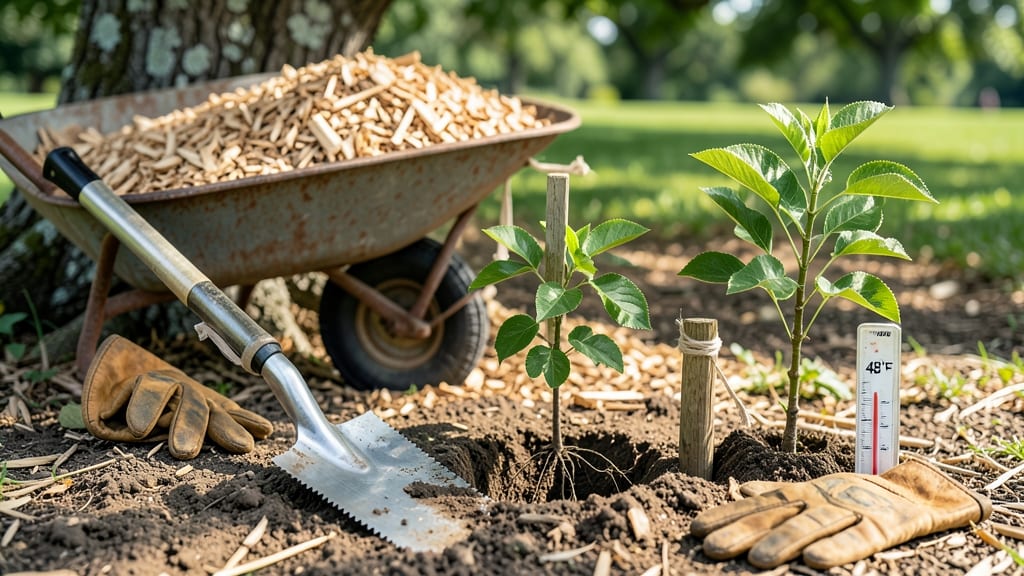
Timing is everything when it comes to planting fruit trees in Virginia—get it wrong, and you could be waiting years for that first harvest of 🍎🍐🍑. The difference between a thriving orchard and a struggling sapling often comes down to understanding your USDA zone and Virginia’s unpredictable spring weather patterns.
If you’ve ever wondered why some fruit trees struggle to take root while others grow strong, the answer likely lies in when they hit the soil.
Planting at the right time—whether in late winter or fall—sets the stage for healthy root growth and better survival rates, especially in Virginia’s diverse climate zones.
In this guide, I’ll break down the exact months to plant fruit trees in Virginia, tailored to your specific zone, and share pro tips for soil prep, variety selection, and post-planting care.
By the end, you’ll know exactly when to dig that shovel for the best chance at a fruitful harvest.
Ready to turn your backyard into a thriving orchard? Let’s get started with the best planting windows for Virginia’s unique growing conditions.
Best planting months for fruit trees in Virginia by USDA Zone (5a-8a)
Virginia’s USDA zones 5a-8a create a diverse planting landscape for fruit trees, where timing can make or break success. Bare-root trees thrive when planted in dormant seasons, while container-grown varieties offer more flexibility. Microclimates—like the Shenandoah Valley’s cooler springs or Tidewater’s milder winters—further complicate the ideal window.
For apples and pears, aim for late winter to early spring (February-April) when soil temperatures rise above 40°F. Peaches and citrus prefer fall planting (October-November) to establish roots before summer heat. Zone 5a gardeners face shorter windows, while Zone 8a can plant later into spring.
| USDA Zone | Best Planting Window | Soil Temp | Key Varieties | Microclimate Note |
|---|---|---|---|---|
| 5a (NW Mountains) | Late March-April (bare-root) or October | 40-45°F | Honeycrisp Apple, Moonglow Peach | Plant after last frost (avg. April 15) |
| 6a (Piedmont) | February-March or October-November | 45-50°F | Fuji Apple, Redhaven Peach | Clay soils need compost; avoid waterlogging |
| 7a (Central VA) | January-April or September-October | 50-55°F | Bartlett Pear, Elberta Peach | Urban areas may need windbreaks |
| 8a (Tidewater) | February-March or November | 55-60°F | Satsuma Mandarin, Asian Pear | Sandy soils dry fast; mulch heavily |
In Zone 5a, where winters are harsh, bare-root trees planted in late March give roots time to establish before summer heat. Container-grown trees can handle fall planting (October), but avoid planting when soil temps drop below 40°F. Zone 8a gardeners enjoy longer windows—plant citrus varieties like Satsuma mandarins in November to avoid summer stress.
Virginia’s microclimates demand attention. Mountain regions (Zone 5a) often experience late frosts until April 15, while Coastal Plain areas (Zone 8a) may see earlier springs. Urban heat islands in Richmond can push soil temps up 5°F warmer than rural areas, affecting root growth.
For peaches and nectarines, prioritize fall planting (October) to avoid late-winter frosts that damage blossoms. Apples and pears planted in early spring (February) benefit from cooler soil temps, reducing transplant shock. Citrus trees, like Meyer lemons, must be planted in Zone 8a after November 1 to survive winter.
Soil temperature is critical: use a soil thermometer to confirm 40°F+ before planting. Clay-heavy soils in Piedmont regions need amendments (compost, sand) to improve drainage. Sandy Coastal Plain soils dry quickly—mulch with wood chips to retain moisture.
Pro tip: Container-grown trees can be planted year-round in Virginia, but avoid extreme heat (July-August) or freezing temps (December-February). Bare-root trees must be planted within 24 hours of purchase to prevent root desiccation.
Don’t wait until last frost to plant—early spring (February-March) gives roots 6-8 weeks to establish before summer. Fall-planted trees should be watered deeply before winter to prevent drought stress. Mulch heavily (3-4 inches) to protect roots from temperature swings.
For best results, pair planting with pruning and fertilization. Dwarf varieties (like Columnar apples) adapt better to small spaces and recover faster from poor timing. Standard trees need extra care in Zone 5a to withstand harsh winters.
How Virginia’s frost dates and soil conditions impact fruit tree success
Understanding Virginia’s frost-free dates and soil types is critical for fruit tree success. The state’s USDA zones 6a-8a create dramatic differences in planting windows, while clay-heavy Piedmont soils versus sandy Coastal Plain soils demand entirely different prep strategies.
One wrong move can delay fruiting by years—or worse, kill your tree before it even establishes.
For example, peach trees planted too early in Zone 6a risk frost damage to blossoms, while fig trees in Zone 8a may struggle if planted after the last frost. Meanwhile, clay soils in the Piedmont hold moisture but suffocate roots, while sandy soils along the coast drain too quickly.
Let’s break down how to align your planting with Virginia’s climate quirks.
Virginia’s last frost dates vary wildly—from March 1 in Zone 6a to April 1 in Zone 8a. Planting bare-root trees in late winter (February) risks frost heave damage, while container-grown trees planted after April may struggle to establish before summer heat. Fall planting (October-November) is safer for most varieties but requires 6-8 weeks for roots to establish before winter dormancy.
For clay soils, amend with organic matter (compost, pine bark) to improve drainage. In sandy soils, mix in peat moss or coconut coir to retain moisture. Skip planting if soil temps exceed 50°F—roots won’t develop properly.
Start by checking your local frost dates using the Virginia Cooperative Extension’s frost calculator. For Piedmont regions (e.g., Charlottesville, Lynchburg), aim to plant bare-root trees in late February to early March, while container-grown trees can go in until mid-April.
In Coastal Plain areas (e.g., Norfolk, Richmond), extend your window to March 15 to April 15 due to later frosts.
Soil prep is just as critical. In clay-heavy Piedmont soils, test your soil pH—most fruit trees thrive at 6.0-7.0. Add gypsum to break up compaction and composted manure for nutrients.
For sandy Coastal Plain soils, focus on moisture retention with well-rotted compost and a 2-3 inch mulch layer of pine straw or wood chips. Both soil types benefit from raised beds if drainage is poor.
Timing your soil amendments matters too. For fall planting, work in compost 4-6 weeks before to let microbes break it down. If planting in spring, amend the soil 2-3 weeks prior to avoid disturbing new roots.
Always water deeply after planting to encourage root growth—15-30 gallons for young trees—and keep soil moist for the first 60 days.
Pro tip: Mulch heavily (4-6 inches) around the base of your tree to regulate soil temperature. In Zone 6a, use straw or shredded leaves to insulate roots from winter freeze-thaw cycles. In Zone 8a, opt for pine bark mulch to prevent soil from getting too hot in summer.
Adjust your watering schedule based on your soil type—clay soils need less frequent but deeper watering, while sandy soils require more regular moisture checks.
Remember, fruit trees need patience. A tree planted at the wrong time may take 2-3 years longer to bear fruit. But when you nail the frost dates, soil prep, and post-planting care, you’ll be rewarded with a productive orchard for decades.
Start with the right timing, and your trees will thank you with bountiful harvests every season. 🌳