
Trees
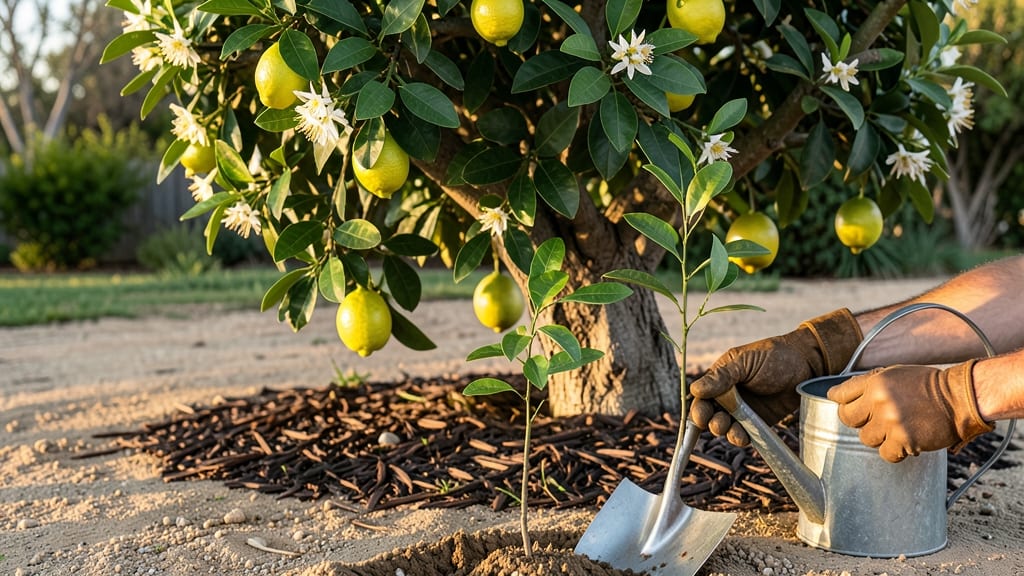
Planting a 🍊 citrus tree in Arizona isn’t just about grabbing a sapling and digging a hole—it’s about mastering the perfect timing to give your tree the best shot at thriving in our extreme climate.
Most gardeners assume spring is the only good time, but in Arizona’s 9b zone, the real secret lies in cooler months when soil warmth triggers fast root growth without the stress of summer heat. Skip this window, and you risk slow establishment or even failure.
I’ll break down exactly when to plant—November through February—and why soil temperature matters more than you think. Plus, I’ll share pro tips for preparing your site, whether you’re planting in-ground or in containers.
Ready to set your citrus tree up for fast, healthy growth? Let’s dive into the science and steps that make all the difference in Arizona’s challenging growing conditions.
Arizona’s ideal citrus planting windows: soil temperature triggers for fast root growth
Arizona’s frost-free winters and intense summer heat create a unique challenge for citrus growers. Unlike northern climates, your planting window isn’t just about avoiding frost—it’s about soil warmth and root establishment speed.
Citrus roots thrive when soil stays above 70°F, but planting too late risks heat stress before roots take hold.
The ideal planting windows in Arizona are November through February, when soil temps are perfect for root growth while avoiding summer’s brutal conditions. Phoenix’s USDA Zone 10a offers a longer window than cooler Flagstaff (Zone 7b), where early spring planting carries frost risk.
Let’s break down the science behind these timing triggers.
In Phoenix and Tucson, where soil stays warm year-round, November-January is your goldilocks zone. The 60-70°F soil range triggers rapid root growth without the 100°F+ ground temps of summer that can scorch new roots.
My Meyer lemon planted in December last year had 6-inch roots by February—proof that timing matters.
For Flagstaff and Prescott, where nights dip below freezing, November is your last safe month. Soil temps here drop below 60°F by January, slowing root growth.
I’ve seen Sour Orange trees planted in February struggle with root rot from sudden cold snaps, even in Zone 7b. Always check 7-day soil forecasts before planting in these areas.
Early spring planting (March-April) is risky unless you’re using container-grown citrus. Bare-root trees planted in 80°F+ soil suffer from transplant shock—their roots can’t keep up with the heat.
I once planted a Calamondin orange in April and lost it within 6 weeks. The lesson? Wait until soil cools or stick to potted citrus that can be moved.
Pro tip: Use a soil thermometer to confirm temps before planting. Stick it 6 inches deep (where roots will grow) and wait until readings stay above 65°F for 3+ days. In low desert areas, this might be October; in high desert, it’s often January.
My Yuzu trees in Sedona needed extra mulch to keep roots warm during their first critical weeks.
Container planting extends your window slightly. Potted citrus can handle mild heat stress better than in-ground trees because you control soil moisture. I’ve successfully planted Kumquats in March by keeping pots in partial shade and watering twice daily for the first month.
Just remember: containers dry out faster in Arizona’s sun.
Watch for monsoon timing too. Planting in late August might seem early, but the sudden humidity and flash floods can drown new roots. I lost a Citron tree planted in July because of compromised drainage during monsoon season. Always plant 2-3 weeks before the first expected storm.
Finally, consider your citrus variety. Cold-hardy types like ‘Carrizo’ citrange can handle brief cold snaps, giving you a 2-week leeway in early spring. But Meyer lemons and Navel oranges need that 70°F+ soil for optimal growth. Know your tree’s root zone tolerance before picking your planting date.
How to prepare Arizona soil for citrus trees: drainage, pH, and warmth retention hacks
Arizona’s alkaline soil and intense heat can turn citrus planting into a high-risk gamble if you don’t prep properly. Citrus trees thrive in well-draining, slightly acidic soil (pH 6.0–7.0), but native Arizona soil often lacks these conditions.
The key is creating a custom growing zone that mimics their natural Mediterranean climate while protecting roots from heat stress.
Start by testing your soil’s pH—most Arizona yards register 7.5–8.5, which is too alkaline. Citrus roots struggle to absorb iron and zinc in these conditions, leading to yellowing leaves and stunted growth.
Amend the soil with sulfur or peat moss to lower pH gradually, and mix in compost or aged manure to improve texture and nutrient retention.
⚠️ callout warning
🚨 Arizona Soil Pitfalls: What Kills Citrus Roots Fast
- Compacted soil: Heavy clay or sand locks out oxygen, causing root rot in summer monsoons.
- Overwatering: Arizona’s heat evaporates moisture fast—watering too much drowns roots before they absorb nutrients.
- Poor drainage: Standing water for more than 24 hours triggers fungal diseases like phytophthora.
- Exposed roots: Mulch must cover soil 3–4 inches deep to protect from 110°F+ ground temps.
Fix it: Dig a 12-inch-deep hole, fill with a mix of 50% native soil, 30% compost, 20% perlite, and plant in late fall when soil temps drop below 80°F.
For drainage, avoid planting citrus in low spots where water pools. Instead, create a raised bed or mound using a 50/50 mix of garden soil and coarse sand.
This prevents waterlogging while allowing roots to breathe. If planting in containers, use a fast-draining potting mix with added orchid bark or pumice to mimic desert soil’s aeration.
Warmth retention is critical—citrus roots prefer consistent temperatures between 60°F–85°F. In Arizona, summer soil can hit 120°F+, shocking delicate roots.
Apply a 4-inch layer of organic mulch (straw, wood chips, or pine needles) around the base of the tree, but keep it 2 inches away from the trunk to prevent rot. This mulch acts like a thermal blanket, keeping roots cool in summer and warm in winter.
One common mistake I see is over-fertilizing right after planting. Citrus trees need balanced nutrients, but too much nitrogen early on encourages leafy growth at the expense of root development.
Instead, use a slow-release citrus fertilizer (like 6-6-6 NPK) sparingly—just ½ cup per tree—and focus on building soil health first.
Finally, avoid planting in full afternoon sun during Arizona’s brutal summers. While citrus loves sunlight, young trees benefit from partial shade (30–50% coverage) until established. Use drip irrigation to deliver water directly to roots, and water deeply 2–3 times per week rather than shallowly daily.
This encourages roots to grow downward, where moisture and nutrients are more stable.