
Trees
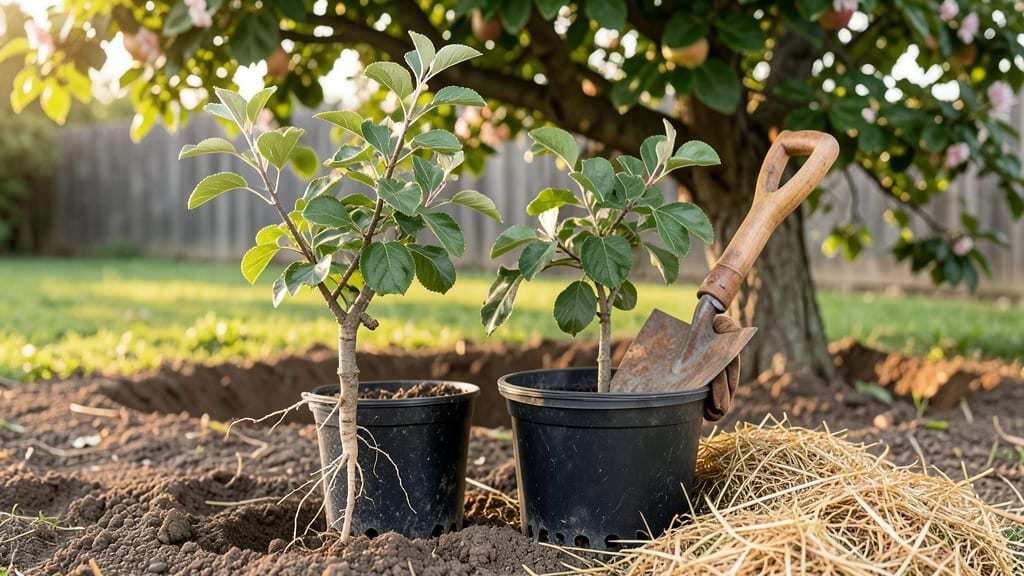
Planting your 🍎 fruit tree at the wrong time in Kentucky could mean the difference between a thriving orchard and years of disappointment. The key to success isn't just picking the right variety—it's matching your planting schedule to Kentucky's chill-hour zones and last frost dates.
Most Kentucky gardeners know spring is the ideal window, but did you realize that planting too early risks frost damage while waiting too late can stunt root growth? I'll break down exactly when to plant—whether you're working with bare-root saplings or container-grown trees—and how to adjust for your specific microclimate.
From apples that need 900 chill hours to peaches thriving with just 500 hours, we'll cover the perfect timing for your favorite varieties. Plus, I'll share my top tips for soil prep and post-planting care to give your trees the best possible start in USDA zones 6a-7b.
Ready to set your fruit trees up for peak yields? Let's dive into the science—and simple strategies—that will have you harvesting homegrown fruit in no time.
Kentucky fruit tree planting calendar by chill hours and variety
Kentucky’s chill-hour requirements and frost dates create a delicate window for planting fruit trees. Most varieties need 500-900 chill hours (below 45°F) to set fruit properly. Plant too early, and late frosts will kill blossoms; too late, and roots won’t establish before winter.
Let’s break down the best times for Kentucky’s top fruit trees by variety and chill zone.
Kentucky spans USDA zones 6a-7b, with average last frost dates between March 15 and April 15. Northern regions (e.g., Lexington) experience colder winters, while southern areas (e.g., Bowling Green) have milder climates.
Always check your local frost-free date—a 10-day delay can mean the difference between a thriving orchard and a failed harvest.
Bare-root trees (most common) should be planted in late winter or early spring (February–April), while container-grown trees offer a 4-week extension into spring. Below is a chill-hour matched planting calendar for Kentucky’s most popular fruit trees, including apples, peaches, pears, and cherries, with frost-risk warnings.
For northern Kentucky (e.g., Louisville), aim for early March planting to ensure roots establish before winter. In southern Kentucky (e.g., Paducah), you can extend planting until mid-April due to later frost dates.
Always check local frost forecasts—the National Weather Service provides 10-day outlooks that can save your blossoms.
If you’re planting container-grown trees, you have a 4-week flexibility window compared to bare-root trees. This is especially useful if late frosts are forecasted. For example, a peach tree planted in mid-April in Bowling Green might survive where a bare-root tree planted in March would succumb to frost.
Soil temperature is another critical factor. Wait until the ground reaches 40°F—use a soil thermometer to check. Cold soil slows root growth, leaving trees vulnerable to winter desiccation. In clay-heavy Kentucky soils, amend with compost
How to adjust planting timing for Kentucky’s microclimates
Kentucky’s diverse landscapes—from urban heat islands to rural valleys and high-elevation plateaus—create unique planting challenges. A peach tree thriving in Louisville’s warmer microclimate may struggle in the colder Bluegrass Region, while apple trees in highland areas need earlier planting to avoid frost.
Adjusting timing based on your specific zone ensures stronger root growth and better fruit production.
Start by identifying your local frost dates and soil temperature trends. Use a soil thermometer to confirm when the ground reaches 40°F (4°C)—the ideal temperature for planting most bare-root fruit trees.
In urban areas, soil warms faster, so you can plant 2-3 weeks earlier than rural zones. For high elevations (like the Cumberland Plateau), delay planting until after the last frost, typically late April or early May.
Here’s how to fine-tune your planting schedule for Kentucky’s key microclimates:
Plant 2-3 weeks earlier (late February–early March). Urban heat traps warmth, so soil thaws faster. Use container planting for flexibility—move pots to cooler spots if late frosts threaten.
Delay until mid-April to avoid frost damage. Focus on dwarf varieties (e.g., Honeycrisp apples)—they establish faster in cooler soils. Mulch heavily to insulate roots.
Plant after May 1 or use low-chill varieties (e.g., Elberta peaches). Monitor weekly frost forecasts—cover young trees with frost cloth if nights dip below 28°F (-2°C).
Plant anytime soil is workable (March–May). Move containers to protected spots (e.g., against a south-facing wall) for 30% faster root growth in urban heat. Use self-watering pots to prevent drought stress.
For root growth timing, prioritize planting when your tree’s dormant roots are actively swelling but haven’t yet broken dormancy. This usually aligns with bud swell (when buds look plump but aren’t yet open).
In Kentucky, this window is typically mid-March to early April for most varieties, but adjust based on your microclimate. Peach and cherry trees, which need 500–900 chill hours, benefit from early planting to maximize cold exposure before bud break.
If you’re unsure about your local conditions, use USDA’s Plant Hardiness Zone Map (Kentucky spans Zones 6a–7b) and cross-reference with Kentucky Mesonet data for real-time soil temps.
For container-grown trees, you gain flexibility—plant in late spring if early planting isn’t feasible, but be prepared to water deeply to compensate for slower root establishment in warmer soil.
Pro tip: Test your soil’s moisture retention before planting. Kentucky’s clay soils can become waterlogged in valleys or dry out quickly in urban areas. Amend with compost or sand to improve drainage, especially in low-lying areas where frost lingers longer.
With these adjustments, your fruit trees will thrive regardless of whether you’re in Lexington’s urban core or a highland farm** near the Cumberland Gap.