
Trees
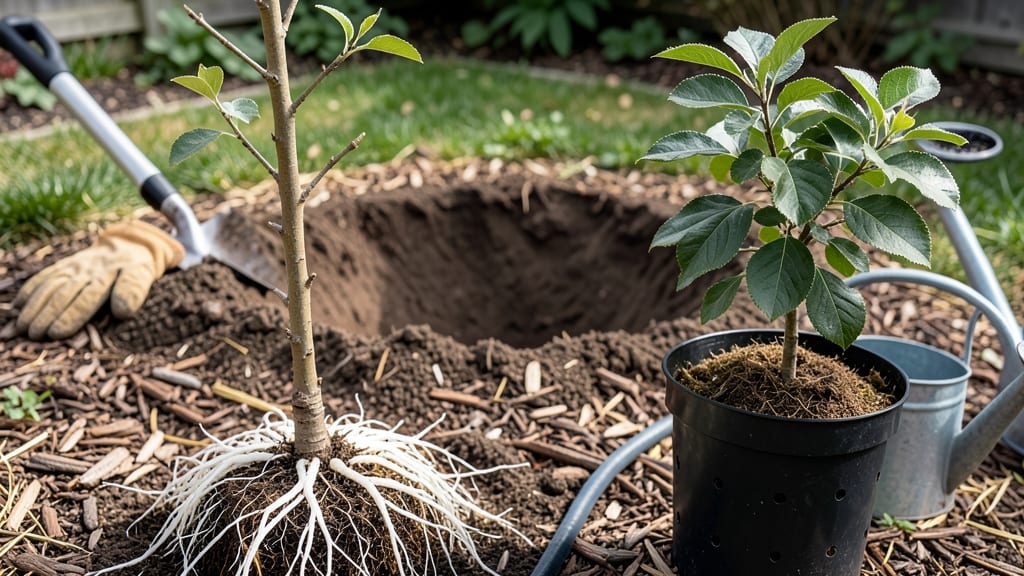
Planting apple trees in Alabama isn’t just about picking a month—it’s about timing the chill hours right to ensure your 🍎 thrives in zones 7a-8b. Unlike northern climates, Alabama’s warm winters mean traditional apple varieties often fail, but the right approach can turn your backyard into a productive orchard.
You’ll need to balance frost risks (last frost hits around March 15) with soil warmth, choosing between late winter’s dormancy or early spring’s active growth phase.
Most gardeners in Alabama swear by late winter to early spring (February–March) as the sweet spot, but there’s more to it than just the calendar. The key is selecting varieties like ‘Anna’ or ‘Dorsett Golden’—breeds that tolerate heat and still get enough winter chill to fruit.
Skipping this step could leave you with a tree that blooms but never bears apples, or worse, one that struggles in summer’s humidity.
What you’ll discover here is how to read your microclimate—whether you’re in North Alabama’s cooler pockets or the Deep South’s extended growing season—and adjust your planting strategy.
From soil prep to post-planting care, these actionable tips will help you avoid common mistakes like planting too early (risking frost) or too late (missing the moisture window). Let’s get your apple tree off to the right start.
The payoff? A tree that not only survives but thrives, producing fruit from late summer through autumn. Whether you’re a first-time grower or a seasoned gardener, these insights will help you navigate Alabama’s unique climate challenges—and enjoy homegrown apples for years to come.
Alabama’s chill-hour zones: matching apple varieties to your region
Alabama’s warm climate makes growing apple trees a challenge, but understanding chill-hour zones is the key to success. These zones measure the number of hours below 45°F your region experiences each winter, and apple trees need 300–1,000+ hours to produce fruit.
Without enough chill hours, your tree may bloom but fail to set fruit—or worse, struggle to survive. The good news? Certain low-chill apple varieties thrive in Alabama’s USDA Zones 7a–8b.
Northern Alabama (e.g., Huntsville, Decatur) typically sees 500–700 chill hours, while southern regions (e.g., Mobile, Dothan) often get 300–500 hours. This means traditional varieties like Granny Smith or Fuji won’t work—you’ll need heat-tolerant, low-chill cultivars like ‘Ein Shemer’ or ‘Akane’.
Let’s match the right variety to your zone for a bountiful harvest.
| Chill-Hour Zone | Recommended Varieties | Best Planting Month | Notes |
|---|---|---|---|
| 300–400 hours | ‘Anna’, ‘Dorsett Golden’, ‘Ein Shemer’ | February–March | Heat-tolerant; thrives in southern Alabama |
| 400–600 hours | ‘Akane’, ‘Gala’, ‘Jonagold’ | Late February–early April | Moderate chill needs; good for central Alabama |
| 600–800 hours | ‘Fuji’, ‘Honeycrisp’, ‘Red Delicious’ | March–April | Best for northern Alabama; higher chill needs |
| 800+ hours | ‘Granny Smith’, ‘McIntosh’, ‘Golden Delicious’ | March–April (risky in deep South) | Traditional varieties; avoid in southern Alabama |
If you’re in southern Alabama (300–400 chill hours), focus on ‘Anna’ apples, which produce sweet, yellow fruit with minimal chill requirements.
This variety is drought-resistant and perfect for Alabama’s hot summers. ‘Dorsett Golden’ is another excellent choice, offering crisp, flavorful apples that ripen early—ideal for avoiding summer heat stress.
For central Alabama (400–600 hours), ‘Akane’ is a standout. This variety delivers red-streaked, crisp apples with a balanced sweet-tart flavor. It’s also disease-resistant, reducing the need for pesticides. Pair it with ‘Gala’ for a dual-pollination setup, as many apple trees require cross-pollination to bear fruit.
In northern Alabama (600+ hours), you have more flexibility with traditional varieties like ‘Honeycrisp’ or ‘Jonagold’. These trees need slightly more chill hours but reward you with juicy, high-quality fruit.
Just ensure you plant them in well-draining soil and provide afternoon shade to protect them from extreme heat.
One common mistake is assuming all apple trees need 800+ chill hours. In Alabama, this can lead to poor fruit set or even tree death. Always check a variety’s chill-hour requirements before planting. For example, ‘Granny Smith’ won’t thrive in Mobile but could succeed in Huntsville.
Pro tip: Use a chill-hour calculator or consult your local Alabama Cooperative Extension Service for precise data on your microclimate. Factors like elevation and urban heat islands can shift chill-hour totals by 100+ hours.
For instance, Birmingham’s urban areas might see fewer chill hours than rural areas just 20 miles away.
Once you’ve selected the right variety, timing your plant is critical. Aim to plant bare-root trees in late winter (February–March) while they’re dormant but before buds swell.
Container-grown trees can be planted year-round, but spring is ideal for root establishment. Always choose a sunny, well-draining spot with 6+ hours of sunlight daily.
After planting, mulch around the base of your tree with 3–4 inches of organic mulch to retain moisture and regulate soil temperature. Water deeply once a week during the first year, ensuring the soil stays consistently moist but not waterlogged.
With the right variety and care, your Alabama apple tree could bear fruit in as little as 3–5 years.
🍏🌳
Best planting windows in Alabama: frost-free timing by month
Alabama’s mild winters and hot summers create a unique challenge for apple tree planting. Unlike northern states, you can’t just wait until spring—timing must account for chill hours, soil warmth, and rainfall patterns that vary by region.
In North Alabama (USDA Zone 7a), frost lingers until mid-March, while South Alabama (Zone 8a) often sees frost-free conditions by early February. This guide helps you choose the perfect window for your area.
For bare-root trees, the best window is late winter to early spring when the ground is workable but buds haven’t yet swollen. Container-grown trees offer more flexibility, allowing planting year-round in Alabama’s frost-free months.
However, spring remains ideal for root establishment. Let’s break down the month-by-month risks and rewards to ensure your apple trees thrive from the start.
- 🌱 January: Only plant container-grown trees in South Alabama (Zone 8a). Bare-root trees risk frost damage if planted too early.
- 🌡️ February: Safe for bare-root planting in South Alabama. North Alabama wait until late February to avoid late frosts.
- ✅ March: Ideal window statewide! Soil warms to 50°F+, frost risk drops, and rainfall increases for root growth.
- 🌧️ April: Still safe, but late April brings heat stress. Prioritize mulching and watering to prevent drought shock.
- ❌ Avoid May+: High heat and humidity stress young roots. Only plant container-grown trees if absolutely necessary.
In North Alabama, where frosts can linger into early April, aim for late February to March planting. The key is to time it when soil temperatures hit 50°F (10°C)—cold enough to prevent root rot but warm enough for growth.
Use a soil thermometer to check; if it’s below 50°F, wait a week or two. This rule applies to both dwarf and standard varieties, though dwarfs establish faster in warmer soil.
For South Alabama, January can work for container-grown trees, but bare-root trees should wait until February. The region’s earlier frost-free dates mean you can start sooner, but don’t rush—chill hours are critical for fruit production.
Varieties like ‘Anna’ or ‘Dorsett Golden’, which require fewer chill hours (300–500 hours), are ideal for this area and can be planted as early as late January if conditions are right.
After planting, focus on watering deeply (15–20 gallons per tree) to encourage root growth. Mulch heavily with wood chips to retain moisture and regulate soil temperature. Avoid fertilizing until spring bud swell—this prevents nutrient burn in young roots.
With the right timing, your apple trees will establish strong roots before Alabama’s summer heat sets in.
Remember, Alabama’s microclimates can vary dramatically even within a county. If you’re near a lake or river, you may experience earlier frost-free dates than inland areas. Always check your local Alabama Cooperative Extension office for last-frost dates and adjust your planting window accordingly.