
Flowers
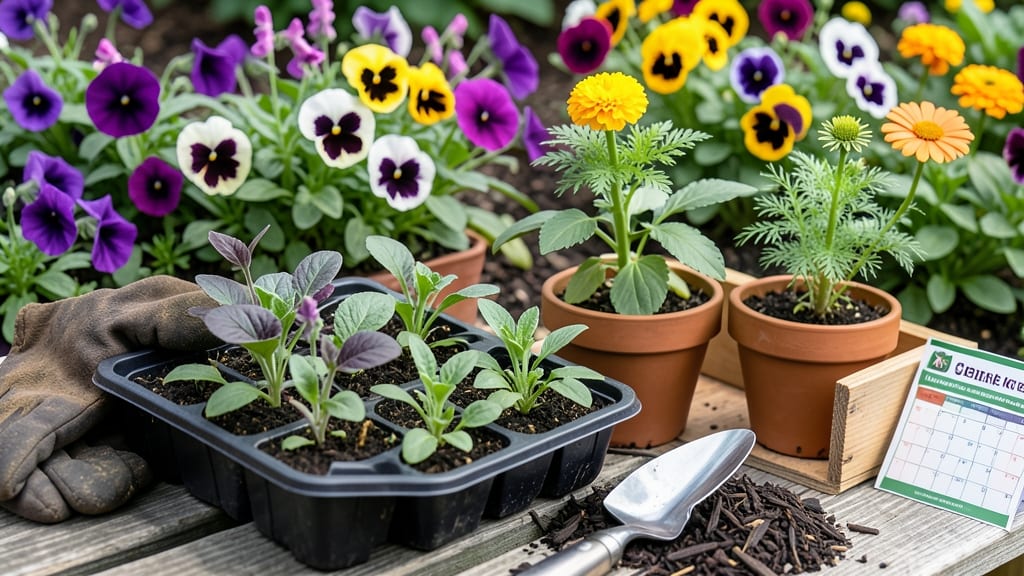
Timing your 🌸 flowers planting in Seattle isn’t just about following a calendar—it’s about outsmarting the city’s quirky microclimates, where Puget Sound’s chill can delay spring by weeks while the Eastside bakes in early summer heat.
If you’ve ever watched your spring-blooming bulbs wilt in a late frost or struggled to coax annuals through soggy coastal soil, you know the stakes.
The difference between a thriving garden and a sad, half-blooming disappointment often comes down to knowing exactly when to plant—whether you’re in West Seattle’s damp embrace or the drier rain shadow near Snoqualmie.
I’ve spent years testing what works in both zones, and the secrets aren’t just about dates—they’re about soil temperature, sunlight tricks, and even which nurseries to trust for the right transplant timing.
Let me show you the precise windows that’ll make your garden burst with color, from March’s first perennials to fall’s hardy survivors.
Ready to stop guessing and start growing? Here’s your tailored roadmap for Seattle’s two distinct planting personalities—and how to pick the perfect 🌸 flowers for each.
Seattle flower planting calendar: coastal vs rain shadow timing differences
Seattle’s unique geography creates two distinct gardening worlds: the coastal areas near Puget Sound with cooler, wetter conditions, and the rain shadow zones east of the Cascades where summers are hotter and drier.
These differences mean your flower planting timeline could vary by 4–6 weeks depending on where you live in the city. Understanding these microclimate variations helps you avoid common mistakes like false springs or drought stress.
For both zones, the last average frost date is around March 15, but coastal areas can experience late frosts into early April, while rain shadow zones warm up faster.
The key is to align your planting with soil temperature, not just air temperature—most flowers need soil at 50°F+ to thrive. Let’s break down the month-by-month planting windows tailored to your Seattle neighborhood.
If you live in West Seattle or Bainbridge Island, your coastal climate means you can start planting annual flowers as early as late April, but be prepared for unpredictable late frosts.
Coastal areas also benefit from longer soil moisture, so you can extend your planting window slightly if you use rain gardens or swales to capture water.
For perennials and bulbs, early fall (October) or early spring (March) works best, as these plants need time to establish roots before winter.
On the Eastside or in Snoqualmie Valley, the rain shadow effect delays soil warming, so wait until early May to plant heat-loving annuals like zinnias or marigolds. The drier conditions mean you’ll need to mulch heavily (3–4 inches) to retain moisture, especially in raised beds.
For perennials, late September planting gives roots time to establish before winter dormancy, while spring planting in March aligns with the warmer soil available in these zones.
One common mistake is planting tender annuals too early in both zones. For example, geraniums or impatiens planted in coastal areas before May 1 risk cold damage, while the same plants in rain shadow zones can handle early May planting if soil is warmed.
Always check the USDA Zone 8a guidelines but adjust for your local microclimate—a University District garden may be 5°F cooler than one in Issaquah.
For bulbs like tulips or daffodils, the timing is slightly different: plant in October–November for both zones, but coastal areas benefit from an extra 2–3 weeks of planting time due to milder winters.
In rain shadow zones, focus on drought-tolerant bulbs like alliums or fritillaries, which thrive with less water. Always plant bulbs 3x deeper than their diameter to protect them from temperature fluctuations.
Pro tip: Use a soil thermometer to confirm readiness—50°F+ soil is ideal for most flowers, but 60°F+ is better for tropical annuals like hibiscus. Coastal soil often lags behind air temperature by 2–3 weeks, so don’t rush into planting based on warm days alone.
In rain shadow zones, black plastic mulch can warm soil 5–10°F faster, helping you start planting earlier if needed.
Finally, consider your specific neighborhood. Areas like Ballard or Magnolia experience more coastal influence, while Kirkland or Redmond lean toward rain shadow conditions. If you’re unsure, observe your garden’s behavior: do dandelions bloom early?
That’s a sign your soil warmed quickly, favoring rain shadow timing. Do you see morning fog lingering? You’re likely in a coastal microclimate.
With these zone-specific guidelines, you’ll avoid the guesswork and enjoy longer bloom seasons whether you’re in West Seattle’s lush gardens or Snoqualmie’s sunbaked landscapes. Happy planting! 🌸
5 Critical factors that determine your Seattle flower planting success
Seattle’s microclimates create unique challenges for flower gardeners. While calendar dates matter, soil temperature, sunlight exposure, and wind patterns often override them. These five factors will help you adjust planting times to match your specific Seattle location—whether you're in windy West Seattle or the drier Eastside.
Most gardeners focus on frost dates, but soil temperature is the real game-changer. Coastal areas like Ballard or Bainbridge Island can have 50°F soil weeks after inland spots like Kirkland. This delay affects when you should plant warm-season flowers like marigolds or zinnias.
Use a soil thermometer—coastal soil warms 2–3 weeks later than rain shadow. Aim for 50°F+ for most flowers.
East-facing homes get sun 2 hours earlier than west-facing; adjust planting dates for sun-loving flowers like lavender or roses.
Coastal gardens near Puget Sound face windburn; plant wind-resistant varieties (e.g., Shasta Daisies) or use windbreaks like arborvitae hedges.
Rain Shadow zones need drip irrigation for new plants; coastal areas may need drainage solutions (e.g., raised beds) to prevent soggy roots.
Seattle nurseries (e.g., Swanson’s, Thea’s Garden) adjust transplant dates—call ahead for 2025 updates to align with their schedules.
For example, if you’re planting tomatoes in Queen Anne, wait until your soil hits 55°F—even if the air feels warm. Meanwhile, in Bellevue, you might start two weeks earlier because the soil warms faster.
Always check sunlight patterns too: a north-facing yard in Capitol Hill might need shade-tolerant flowers like impatiens instead of sun-lovers.
Don’t overlook wind protection—Puget Sound’s breezes can stunt young plants. Use windbreaks or choose hardy varieties like black-eyed Susans, which thrive in exposed areas. Irrigation access is another key: drip systems are essential on the Eastside, while coastal gardens may need French drains to handle excess moisture.
Finally, sync with local nurseries. They often adjust transplant dates based on real-time weather. A quick call to Swanson’s or Thea’s Garden can give you the most up-to-date advice for your neighborhood.
With these factors in mind, you’ll avoid common pitfalls like false springs or overwatering—and enjoy blooms all season long.