
Plants
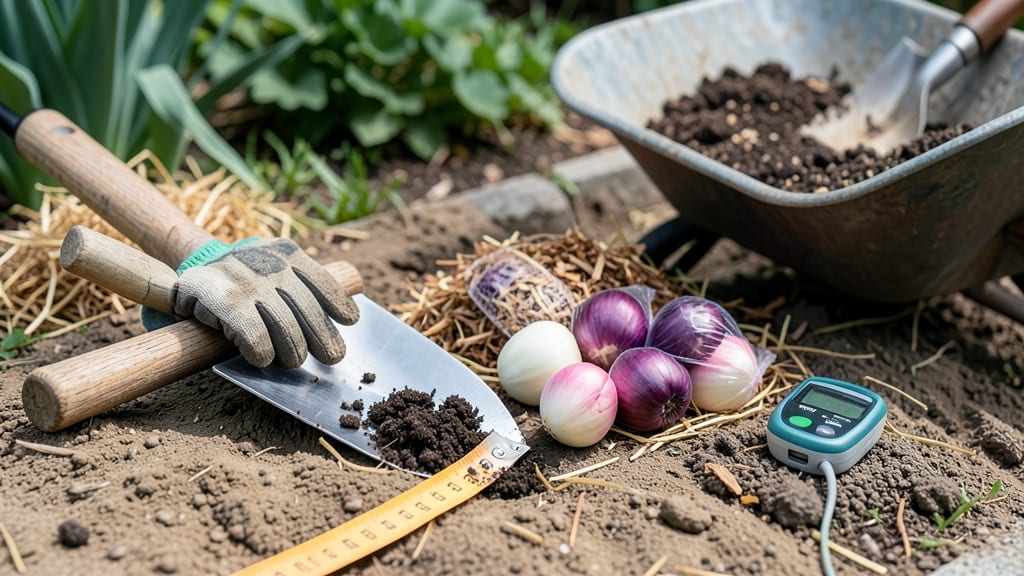
Planting bulbs at the wrong time in Zone 6a could mean waiting years for those vibrant spring blooms to appear—or worse, never seeing them at all. The secret to success lies in understanding your region’s frost patterns and giving roots time to establish before winter sets in.
In Zone 6a, where frosts can arrive as early as mid-October, timing is everything. You’ll want to plant most bulbs—think tulips 🌷, daffodils, and hyacinths—between late September and mid-November, ensuring they’ve rooted deeply before the ground freezes.
But what if you miss that window? Don’t worry; I’ll show you how to adjust for late starts and even spring alternatives that still deliver stunning results.
Whether you’re a first-time gardener or a seasoned pro, getting this right transforms your garden from lackluster to showstopping. We’ll cover the exact months to plant, how to prep your soil, and which bulbs thrive best in Zone 6a’s short growing season.
Let’s make sure your next spring is packed with color—and no wasted effort.
The key is simple: plant bulbs 6-8 weeks before frost, and you’ll unlock a garden that blooms reliably year after year. Ready to learn the exact steps? Let’s get started.

Zone 6a bulb planting calendar: exact months for fall planting success
Planting bulbs in Zone 6a requires precision—too early, and roots won’t establish before winter; too late, and frost zaps their energy. The ideal window spans late September to mid-November, giving bulbs 6-8 weeks of frost-free root growth.
This calendar aligns with Zone 6a’s average first frost (October 15), but regional microclimates (like cooler Appalachian valleys vs. warmer Midwest plains) demand adjustments.
For Appalachian gardeners, aim for late September planting—cooler soils mean bulbs need extra time to root. In the Midwest, you can push to mid-November if soil stays workable.
The key is soil temperature: bulbs thrive when soil is 50-60°F and dropping. Use a soil thermometer to check—if temps hover near freezing, it’s time to plant.
Here’s your Zone 6a bulb planting timeline, broken down by bulb type and regional tweaks:
| Bulb Type | Ideal Planting Window (Zone 6a) | Regional Adjustments | Soil Prep Goal |
|---|---|---|---|
| Tulips | Late September – Early October | Appalachia: 2 weeks earlier; Midwest: 1 week later | 60°F soil, 6 inches deep |
| Daffodils | Mid-October – Early November | All regions: tolerate later planting | 55°F soil, 8 inches deep |
| Hyacinths | Late September – Mid-October | Midwest: push to November if mild | 60°F soil, 6 inches deep |
| Crocuses | September – Early October | Early bloomers; plant ASAP | 50°F soil, 3 inches deep |
| Alliums | October – Mid-November | Hardy; extend to late November | 55°F soil, 8 inches deep |
Pro tip: Layer bulbs for continuous blooms—plant crocuses (earliest) in September, followed by tulips and hyacinths in October, and alliums (latest) in November. This creates a 3-month spring spectacle from March to May. For Appalachian gardens, prioritize daffodils and alliums—they handle colder soils better than tulips.
If frost arrives earlier than expected, don’t panic. Bulbs planted in well-draining soil with a 2-inch mulch layer (straw or shredded leaves) can survive light freezes. For Midwest gardeners, use black plastic mulch to extend the window—it warms soil by 5-10°F, delaying frost damage.
Always plant bulbs with the pointy end up and 3x deeper than their height for stability.
Missed fall planting? Spring alternatives exist! Plant tulips and hyacinths in early March (as soon as soil is workable) for summer blooms. Daffodils and alliums, however, won’t thrive if planted in spring—they need fall’s chilling period.
For Zone 6a’s short growing season, focus on fall planting for the best results.
Test your soil’s readiness with the finger test: push a finger 6 inches deep. If soil feels cool but workable (not muddy), it’s time to plant.
Avoid waterlogged soil—bulbs rot if submerged. Amend clay soil with compost or sand to improve drainage. In sandy soil, add organic matter to retain moisture.
Remember: Bulbs need 6-8 weeks of root growth before frost. Use this rule of thumb—if your last frost date is October 15, plant by September 1 for early bloomers like crocuses. For late bloomers (e.g., alliums), push to November 1
How to adjust bulb planting time for Zone 6a’s frost risks
Zone 6a’s unpredictable frosts can turn your bulb dreams into disappointment if you plant at the wrong time. The key is adjusting your schedule based on soil temperatures and microclimates—not just the calendar.
For example, my tulips in western Zone 6a often need planting 2 weeks earlier than those in the Appalachians due to colder mountain air.
Most bulbs require 6-8 weeks of frost-free root growth before winter sets in. In Zone 6a, this typically means planting between late September and mid-November.
However, if your area experiences early frosts (like my neighbor’s yard in the valley), you might need to plant as early as early September for hardy varieties.
⚠️ callout-warning
Planting bulbs when soil temps drop below 50°F stresses roots. Use a soil thermometer—ideal temps are 50-60°F. If frost hits before bulbs root, they’ll rot. Emergency tip: Cover newly planted beds with 4-6 inches of straw mulch to delay freezing.
Not all bulbs are created equal when it comes to frost tolerance. Daffodils and alliums handle cold better than tulips or hyacinths, so I plant the latter first in early fall.
For delicate varieties, I extend their window by using black plastic mulch to warm the soil—this buys me an extra 2-3 weeks before frost.
Microclimates play a huge role. South-facing slopes warm up faster, while low-lying areas stay cold longer. I test my garden’s frost patterns by planting a few test bulbs in late October each year. If they survive, I know I can push my main planting closer to November.
If frost sneaks in early, don’t panic. Emergency mulching with straw or leaves (3-4 inches thick) can protect newly planted bulbs. I’ve saved entire beds this way! Just remove the mulch in early spring to prevent rot. For extra insurance, I also use row covers over vulnerable areas.
For spring planting (like crocuses or snowdrops), wait until soil temps rise above 40°F—usually late March to early April in Zone 6a. These hardy bulbs tolerate light frosts, but planting too early risks rot from cold, wet soil. Always check the 7-day forecast before digging!