
Flowers
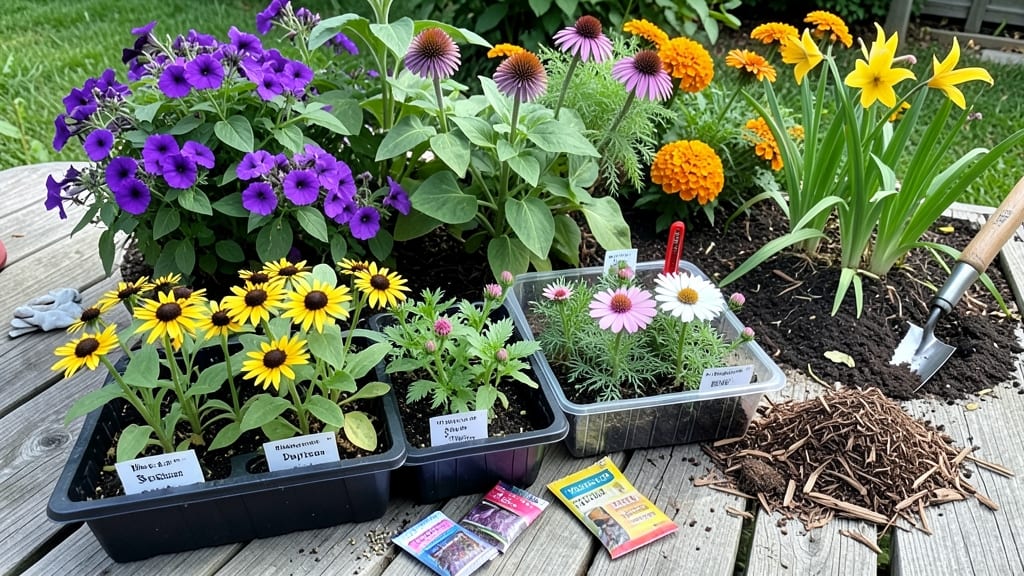
Timing your flower planting in Connecticut can make or break your garden’s success—one wrong move, and frost will turn your blooms into sad, wilted memories before they even open.
The key isn’t just knowing when to plant flowers in CT, but matching your choices to your specific heat zone and frost dates.
With Connecticut’s 5b-6b climate, you’ve got two prime windows: late April through early June for spring bloomers, and September to early October for fall varieties. But here’s the catch: Hartford’s last frost typically hits around April 15, while coastal areas like Stamford may wait until May.
Get this wrong, and your 🌸 could be history before they even peek through the soil.
I’ve tested the best planting strategies across CT’s regions, from hardy perennials that shrug off early chills to annuals that need perfect timing. Whether you’re a first-time gardener or a seasoned pro, these exact months will help you avoid common mistakes and turn your garden into a year-round showstopper.
Ready to transform your yard? Let’s break down the month-by-month planting schedule, frost-resistant picks, and pro tips to keep your flowers thriving—no matter what Connecticut throws at them.
CT heat zones explained: which flowers thrive in your Zone (and when to plant them)
Connecticut’s USDA heat zones 5b-6b create a unique gardening challenge—cool springs, hot summers, and early frosts. Understanding your specific zone helps you choose frost-resistant flowers and time plantings perfectly for vibrant blooms all season.
Most of CT falls into Zone 6a, but coastal areas like Stamford are slightly warmer (Zone 7a), while inland Hartford sits in Zone 5b.
Your planting window hinges on last frost dates. In Hartford (Zone 5b), expect frost until May 15, while New Haven (Zone 6a) warms up by May 1.
Coastal Stamford (Zone 7a) can start 2-3 weeks earlier. Fall planting works too—aim for September 1-15 to establish roots before winter dormancy.
Annuals like marigolds and zinnias thrive when planted after May 15, while hardy perennials such as coneflowers and black-eyed Susans can handle early April soil work. Bulbs like tulips and daffodils need fall planting (October) for spring blooms.
For Zone 5b, prioritize cold-hardy perennials like hostas and heucheras, which survive sub-zero temps. In Zone 7a, you can push the envelope with tender annuals like geraniums or begonias, but use row covers if frost threatens.
Always check soil temperature—it should be at least 50°F before planting.
Bulbs are a game-changer for CT gardens. Plant tulip bulbs in October for spring blooms, while daffodils handle Zone 5b winters with ease. For summer color, try gladiolus or canna lilies, which thrive in Zone 6a-7a and bloom from July to September.
Pro tip: Use mulch (2-3 inches) after planting to insulate roots and retain moisture. In Zone 5b, add an extra layer in November to protect perennials. For container gardens, move pots indoors or under eaves before first frost.
If you’re in Zone 6a, don’t overlook fall-blooming asters or chrysanthemumslight frosts. For Zone 7a, extend your season with winter pansies, which tolerate 20°F temps and bloom from October to April.
Remember: Microclimates matter. A south-facing wall can add 2-3 weeks to your growing season, while low-lying areas may frost earlier. Test your spot by placing a thermometer in soil—if it’s below 50°F, wait to plant.
Start with hardy annuals like pansies or snapdragons for early spring color, then transition to heat-loving zinnias or sunflowers by June. With this zone-specific approach, your CT garden will bloom like clockwork, no matter the weather.
Best flowers to plant in CT by season: a month-by-month survival guide
Connecticut’s unpredictable frost dates and variable heat zones make timing critical for flower success. Whether you’re a beginner or a seasoned gardener, knowing the exact planting windows for each season will help you avoid frost damage and maximize blooms.
Let’s break down the best flowers to plant by month, from hardy spring bloomers to late-season perennials that thrive in CT’s Zone 5b-6b climate.
Spring is the busiest season for planting, but don’t overlook fall-planted bulbs or winter-hardy annuals that can brighten your garden even in colder months. With the right choices, you can enjoy continuous color from March through November.
Below, I’ve outlined the best flowers to plant each month, including frost-resistant picks and last-minute tips for late starts.
- 1 March-April: Plant hardy annuals like pansies and violas (Zone 3-11) and cool-season perennials such as lungwort and heuchera. Start tender perennials indoors for late spring transplanting.
- 2 May: After the last frost date (typically mid-April), plant heat-loving annuals like marigolds, zinnias, and geraniums. Divide overcrowded perennials like daylilies and black-eyed Susans for stronger growth.
- 3 June-August: Sow late-summer bloomers like cosmos and sunflowers directly in the ground. Deadhead spent blooms on perennials to encourage second flushes. Mulch to retain moisture during hot, dry spells.
- 4 September: Plant fall-blooming bulbs like chrysanthemums and aster for late-season color. Add winter-hardy annuals such as pansies and snapdragons for early spring blooms. Start spring-blooming bulbs like tulips and daffodils for next year.
- 5 October-November: Plant winter pansies and candytuft for early spring color. Cover tender perennials with mulch to protect from early frosts. Avoid planting warm-season annuals after first frost (mid-October).
- 6 December-February: Focus on indoor gardening with houseplants like African violets or start seeds indoors for early spring planting. Plan your garden layout and prep soil amendments for spring. Prune dormant perennials to shape and remove dead growth.
If you’re starting late, don’t panic! Hardy annuals like cosmos and sunflowers can be sown as late as July for fall blooms. For perennials, focus on established plants that can handle transplant shock, such as coneflowers or black-eyed Susans.
Always check the back of seed packets for specific days to maturity to avoid planting too close to frost.
Pro tip: Use row covers or cloche tunnels to extend your growing season by 2-4 weeks in spring and fall. This simple