
Flowers
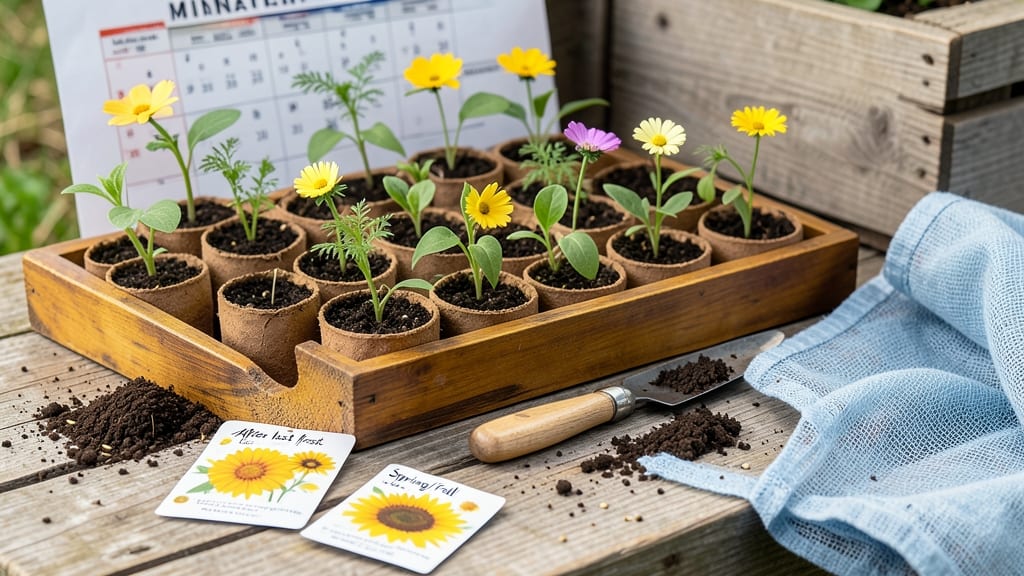
Timing when to plant flower seeds in Minnesota isn’t just about waiting for spring—it’s about beating the clock before the last frost zaps your dreams of a vibrant garden. With Zones 3-4 and unpredictable weather, planting too early risks frost damage, while waiting too long cuts your blooming season short.
The key? Knowing when to start seeds indoors, when to sow directly, and which hardy varieties like sweet peas or pansies can handle Minnesota’s chill.
I’ve spent years testing the perfect windows, and the secret lies in two critical periods: April 15–May 15 for spring and August 1–September 1 for fall. But here’s the twist—soil temperature and microclimates (like urban heat islands or sheltered spots) can shift your timeline by weeks.
Whether you’re a beginner or a green thumb, these adjustments will turn your garden into a 🌸 paradise from June through September.
Let’s break it down: which flowers thrive with early starts, how to stretch your season with staggered plantings, and why some varieties (like zinnias) reward you with nonstop blooms if you sow them at the right time. No more guessing—just science-backed timing to make every seed count.
Ready to unlock a garden that outshines the neighbors? I’ll walk you through the exact steps, from soil prep to frost-proofing, so your flower seeds don’t just survive Minnesota’s short season—they thrive in it.
Minnesota flower seed planting calendar: month-by-month guide for Zones 3-4
Timing your flower seed planting in Minnesota’s Hardiness Zones 3-4 means balancing late frosts, short summers, and regional microclimates. Northern Minnesota (Zone 3) has a 10-14 day shorter growing season than southern Minnesota (Zone 4), so adjust your schedule accordingly.
The key is planting when soil temperatures reach 40-50°F for cool-season flowers or 60°F+ for heat-lovers like zinnias.
Use last frost dates as your guide: April 20 in southern Minnesota and May 5 in the north. For fall planting, aim for August 1-September 1—seeds sown too late may not establish roots before frost.
Always check 7-day soil temperature forecasts to avoid planting when a late freeze is predicted.
📌 PRO TIP: Start cold-hardy annuals (like sweet peas and calendula) indoors 8-10 weeks before your last frost date. This gives them a head start in Minnesota’s unpredictable spring.
For northern Minnesota (Zone 3), delay outdoor sowing until May 10-15 to avoid frost damage. In southern Minnesota (Zone 4), you can start as early as April 15 for cold-tolerant flowers like lupines and columbines.
Always test soil temperature with a soil thermometer—seeds won’t germinate if the ground is too cold.
Perennials like coneflowers and black-eyed Susans can be direct-sown in late April (Zone 4) or early May (
How to extend your Minnesota flower season: staggered planting and successive sowing tips
Minnesota’s short growing season doesn’t mean your garden has to be a flash-in-the-pan spectacle. By using staggered planting and successive sowing, you can stretch your blooms from early spring to late fall. This simple strategy ensures your garden never looks bare, even when summer’s peak is long gone.
The key is understanding which flowers thrive with multiple plantings and when to start them indoors for maximum impact.
Start with cosmos and zinnias, two of the easiest flowers to extend. These heat-lovers can handle late summer plantings and still burst into color before frost. For snapdragons and sweet peas, begin seeds indoors 6-8 weeks before your last frost date—usually by early March.
This head start gives them time to establish roots and bloom earlier than direct-sown seeds.
- Start cosmos and zinnias every 2-3 weeks from May to July for nonstop blooms.
- Use row covers to extend the season by 3-4 weeks in spring and fall.
- Plant snapdragons indoors in March for early spring color.
- Sow pansies in late summer for winter interest and early spring blooms.
- Harvest seeds from late-season blooms to replant next year.
Don’t overlook row covers—these lightweight fabrics are a game-changer for Minnesota gardeners. They protect tender seedlings from late spring frosts and can extend your fall planting window by 3-4 weeks.
Simply drape them over young plants or newly sown seeds to create a microclimate that mimics warmer conditions. Remove them during the day when temperatures rise to prevent overheating.
For fall planting, focus on cold-hardy varieties like calendula and stock flowers. These can handle light frosts and often bloom right up until the first hard freeze. Aim to sow them by mid-August for the best results.
Pair them with pansies, which thrive in cooler weather and add vibrant color to your garden even in winter’s chill.
Extend your season even further by harvesting seeds from your best-performing flowers. Save seeds from zinnias, cosmos, and marigolds to replant next year. This not only saves you money but also ensures you’re growing varieties that thrive in your specific Minnesota microclimate.
Label your seed packets clearly to track which plants performed best.
With these staggered planting tricks, your garden will stay lively from May through October, proving that Minnesota’s growing season can be just as vibrant as any other region’s. The secret?
A little planning, the right flowers, and the willingness to experiment with timing. Your future self—and your pollinators—will thank you! 🌸