
Flowers
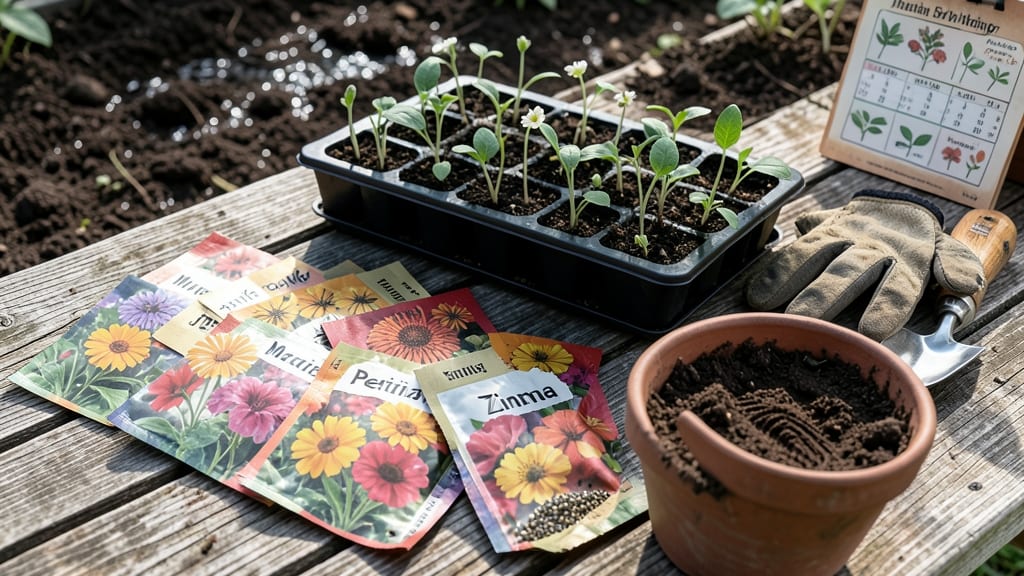
Planting flower seeds 🌸 in Indiana at the wrong time can mean the difference between a vibrant summer garden and a sad pile of frost-killed sprouts. If you've ever watched your carefully planted petunias or marigolds wither overnight, you know timing is everything—and Indiana's unpredictable spring makes it even trickier.
Most gardeners in USDA Zone 6a (like Indiana) wait until after the last average frost date around April 15 to plant warm-season flowers, but cool-season varieties like pansies can handle early March sowing.
The key is matching your flower seeds to Indiana's 165 frost-free days, which means annuals need to be in the ground by early May for summer blooms.
I'll break down exactly when to plant your favorite flowers—whether you're growing sun-loving zinnias or shade-tolerant impatiens—plus how to adjust for Indiana's microclimates. No more guessing whether that late-May planting will pay off or get zapped by one last cold snap.
Ready to transform your yard into a year-round bloom parade? Let's dive into the precise planting schedule that'll have your garden thriving from spring to fall—without the frost surprises.
Indiana flower seed planting calendar by last frost dates (Zone 5 vs. 6)
Indiana’s USDA Zones 5 and 6 offer distinct planting windows, with Zone 6 (southern Indiana) enjoying 2-3 weeks earlier last frost dates than Zone 5 (northern Indiana).
For example, Evansville (Zone 6) typically sees its last frost around April 15, while Fort Wayne (Zone 5) often waits until May 1. This difference means Zone 6 gardeners can start warm-season flowers like marigolds and petunias by early April, while Zone 5 gardeners should wait until mid-May.
Understanding these last frost dates is critical because cool-season flowers (like pansies and snapdragons) can handle light frosts, while tender annuals (such as impatiens) will die if planted too soon.
Even perennials like coneflowers benefit from being sown at the right time to establish strong roots before summer heat arrives.
Below is your Indiana flower seed planting calendar, broken down by month, flower type, and zone. Use this as your guide to maximize blooms from spring to fall.
| Month | Zone 5 (e.g., Fort Wayne) | Zone 6 (e.g., Evansville) | Flowers to Plant | Notes |
|---|---|---|---|---|
| March | Indoor starts | Outdoor sowing | Pansies, Snapdragons, Calendula | Cold-hardy annuals; protect with row covers if frost threatens. |
| April | Late April (after frost) | Early April | Marigolds, Zinnias, Sweet Alyssum | Warm-season annuals; wait until soil is at least 60°F. |
| May | Mid-May | Late April | Petunias, Impatiens, Sunflowers | Heat-loving annuals; mulch to retain moisture. |
| June | Succession plant | Succession plant | Cosmos, Nasturtiums, Vinca | Drought-tolerant; ideal for late summer blooms. |
| August | Late August | Early August | Pansies, Sweet Peas, Calendula | Fall-blooming annuals; sow for autumn color. |
| September | Early September | Mid-September | Perennials (Coneflowers, Black-Eyed Susans) | Direct sow perennials for next year’s blooms. |
For perennials like coneflowers and black-eyed Susans, sow seeds in late summer (August-September) to give them time to establish roots before winter. These hardy perennials will reward you with years of blooms if planted correctly.
In contrast, annuals like petunias and marigolds thrive when sown after the last frost, typically in May for Zone 5 and April for Zone 6.
Pro tip: Use row covers or cold frames to extend your
How to adjust planting for early vs. late bloomers in Indiana’s climate
Indiana’s variable climate means early bloomers like coreopsis and late-season salvia need strategic planting to thrive. The key is balancing frost dates with heat tolerance. In Zone 6, summer heat can stress tender annuals, while perennials may bolt if planted too late.
I’ve found that succession planting and heat-loving varieties are game-changers for extending bloom seasons.
Start by identifying your early bloomers—plants like pansies or snapdragons that thrive in cooler spring temps. These can often handle March sowings under frost cloth. For late bloomers such as zinnias or cosmos, wait until late May when soil temps consistently stay above 60°F.
This ensures they won’t wilt before showing off their colors.
For Zone 5 gardeners, shift these timelines 1-2 weeks later to account for earlier frosts. Always monitor soil temperatures—a simple soil thermometer ($10 at garden centers) prevents costly mistakes.
I’ve learned that adjusting for microclimates, like south-facing beds that warm faster, can add 2-3 extra weeks of bloom time for heat-sensitive flowers.
With these strategies, your Indiana garden can burst with color from spring pansies to fall mums, proving that timing isn’t just about avoiding frost—it’s about maximizing every bloom day. 🌸🌿✂️