
Plants
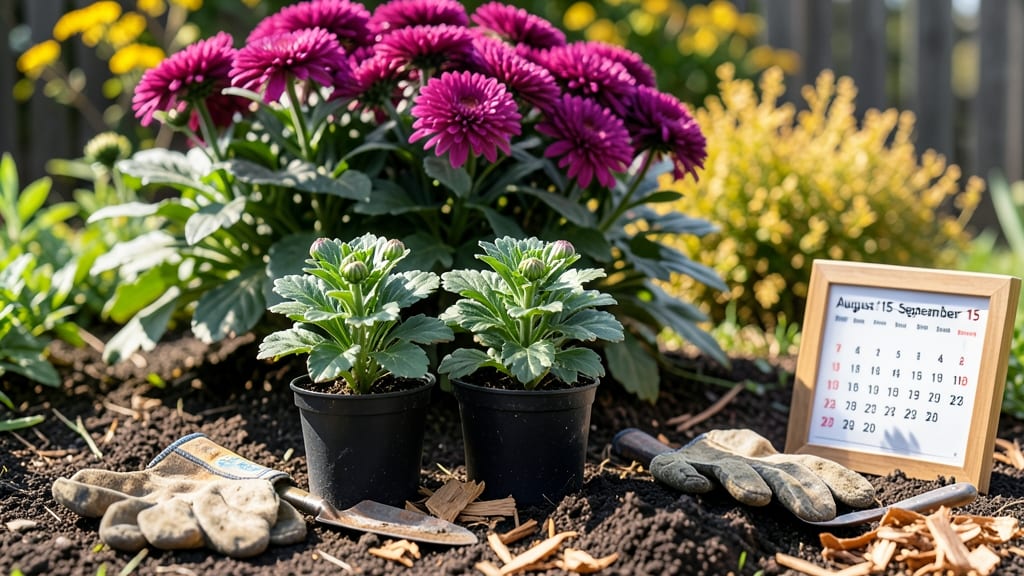
Planting your 🌼 Fall Mums in the ground at the wrong time can turn that dreamy autumn display into a frost-killed flop—unless you know the secret window that guarantees vibrant blooms.
The key isn’t just checking the calendar; it’s understanding how soil temperatures and frost dates work together to give your mums the perfect head start.
Most gardeners assume "fall" means anytime after summer, but timing is everything—especially in USDA Zone 6a where a late frost can wipe out weeks of growth. I’ve learned the hard way that planting too early risks leggy, weak stems, while waiting too long cuts bloom time short.
The magic happens when you align your schedule with 4-6 weeks before first frost, giving roots time to anchor before winter sets in.
This isn’t just about avoiding frost damage—it’s about setting your mums up for a longer, brighter display. With the right soil prep and a few pro tips, you can extend their season past the first hard freeze.
Let me show you exactly when to dig in for zero-frost blooms that’ll make your neighbors green with envy.
Whether you’re in the South or North, we’ll break down the exact weeks to plant, how to test soil temps, and what to watch for in your region. No more guessing—just foolproof timing for mums that steal the show all season long.
Optimal soil temperature triggers for planting fall mums
Fall mums thrive when planted in warm soil between 50–60°F, not just when air temps dip. This temperature range kickstarts root growth while avoiding early frost damage.
Cold soil slows roots, leaving plants vulnerable to winter kill. I’ve learned the hard way—planting too early in chilly soil means wimpy roots that can’t support blooms.
Soil temperature matters more than air temperature because roots need warmth to establish. A 50°F soil triggers root growth, while 60°F soil is ideal for faster establishment. Air temps can be misleading; a crisp morning might hide warm soil beneath. Always check soil, not just the thermometer outside.
To test soil temperature, use a soil thermometer (insert 4–6 inches deep) or the back-of-hand rule: press your hand into the soil—if it feels cool but not cold, it’s likely in the 50–60°F range. I keep one tucked in my gardening tool belt for quick checks before planting.
Regional adjustments are key. In USDA zones 3–5, aim for late August to early September when soil warms post-summer. Zones 6–8 can plant through mid-October, while zones 9–10 might extend to November. The goal? Plant 4–6 weeks before first frost to ensure roots lock in before winter.
| USDA Zone | Soil Temp Trigger | Planting Window | Frost Risk |
|---|---|---|---|
| 3–5 | 50–55°F | Late August–Early Sept | High (plant early) |
| 6–8 | 55–60°F | Mid-August–Mid-Oct | Moderate (flexible window) |
| 9–10 | 58–65°F | July–November | Low (extend season) |
Why does soil temperature beat air temperature? Roots need warmth to activate enzymes that absorb water and nutrients. In cold soil, roots struggle to grow, leaving plants weak and prone to winter dieback. I’ve seen mums planted in 40°F soil wilt by November—don’t let that be you!
To avoid frost damage, monitor weekly frost forecasts and plant when soil is warm but 10–14 days before frost. In my Zone 6a garden, I plant by September 15th to ensure roots establish before October’s first frost. Use a frost calendar for your area to pinpoint exact dates.
Pro tip: Mulch after planting with 2–3 inches of straw to insulate roots and maintain soil warmth. I’ve found this extends the growing season by 1–2 weeks in cooler zones. Just avoid piling mulch against stems to prevent rot.
If your soil runs cooler than 50°F, wait or use black plastic mulch to warm it faster. I’ve warmed soil by 10°F in a week this way—perfect for late starters. Test soil temps daily until you hit that sweet 50–60°F window.
Remember, soil temp > air temp for mums. Even if your thermometer says 70°F, if soil is below 50°F, roots won’t thrive. Grab that soil thermometer and make it your new best friend this fall!
Regional planting timelines: when to plant mums by USDA zone
Timing your fall mum planting by USDA zone ensures vibrant blooms before frost. Northern gardens face shorter seasons, while Southern regions can extend planting later. The key is planting 4–6 weeks before your first frost date to allow roots to establish without premature blooming.
Soil temperatures between 50–60°F signal readiness, but regional frost patterns dictate deadlines. In USDA zones 3–5, start by early August; in zones 6–8, aim for mid-September; and in zones 9–10, late September or early October works best. Let’s break it down by zone for foolproof timing.
- 1 Zones 3–5: Plant 8–10 weeks before frost (early August). Frost arrives early here—prioritize root growth over blooms.
- 2 Zones 6–7: Aim for 6–7 weeks before frost (mid- to late September). Balances root growth and fall blooms.
- 3 Zones 8–10: Plant 4–5 weeks before frost (late September–early October). Warmer climates allow later planting with minimal frost risk.
Northern gardeners in zones 3–5 must act fast—plant by early August to avoid frost before roots establish. Use black plastic mulch to warm soil and extend the season. In zones 6–7, mid-September planting gives roots time to anchor while still delivering late-season blooms.
Southern zones (8–10) offer flexibility. Plant as late as October in zone 10, but avoid hot summer soil (above 70°F), which stresses roots. Choose heat-tolerant varieties like ‘Autumn Beauty’ or ‘Pride of Berlin’ for reliable blooms.
Always adjust for microclimates. A sheltered spot in zone 5 might allow late-September planting, while a low-lying area in zone 8 could face earlier frost. Test soil temps with a soil thermometer—wait until it’s consistently 50–60°F at 3 inches deep.
For container-grown mums, extend your window by 2–3 weeks. Containers warm faster and can be moved to protected areas. Just ensure pots have drainage holes to prevent root rot from fall rains.