
Planting
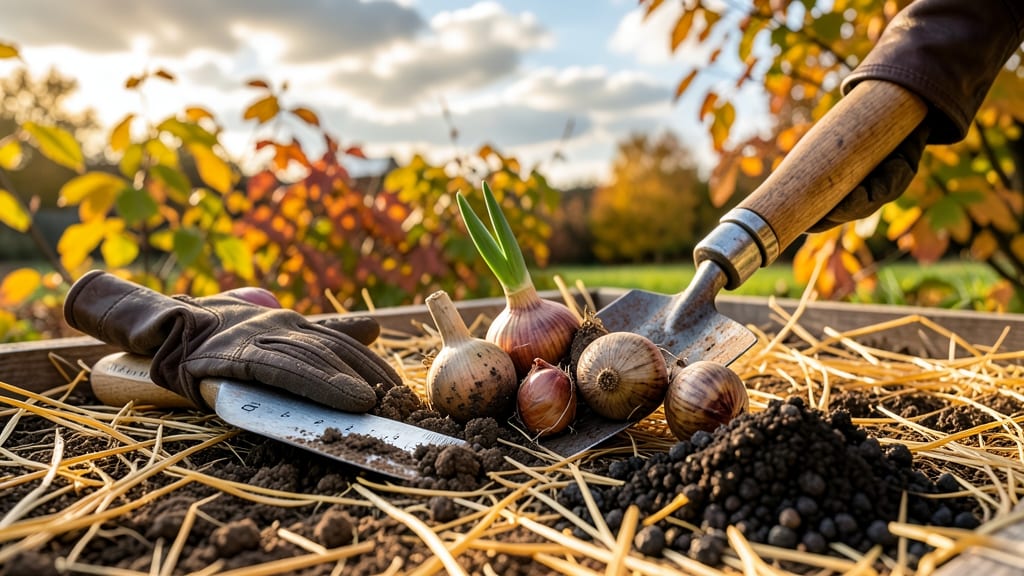
Planting flower bulbs 🌷 in the fall isn't just about timing—it's about giving nature a head start for next spring's showstopper blooms. The magic happens when you plant them 6-8 weeks before the first frost, letting roots establish while bulbs stay dormant through winter.
In USDA Zone 6a, that means aiming for late September to early October, but your exact window depends on local frost dates.
Why does this matter? Fall planting works because cooler temperatures and shorter days signal bulbs to focus on root growth instead of foliage. Miss the window, and you risk bulbs rotting before winter or blooming too late.
I've learned that even a few weeks off can mean the difference between a garden bursting with color and a season of disappointment.
Most gardeners assume "fall" means "October," but the truth is more nuanced. In warmer climates, you might wait until November, while northern regions need to plant as early as September. The key is soil temperature—ideal conditions are 60°F or below, and the ground should be workable but not frozen.
Ready to set your garden up for success? I'll walk you through the exact timing by zone, soil prep secrets, and how to tell when your bulbs are ready for winter. Let's make next spring's blooms the best yet.
The 6-Week pre-frost rule: exact fall planting timeline by USDA Zone
Planting flower bulbs in the fall is all about timing—specifically, giving them 6 weeks to establish roots before the ground freezes. This window ensures bulbs like tulips, daffodils, and hyacinths develop strong roots while staying dormant through winter.
Miss this timing, and your bulbs may rot or fail to bloom next spring.
Your USDA hardiness zone determines the exact planting window, as frost dates vary dramatically from Zone 3 (where winters are brutal) to Zone 10 (with mild winters).
The rule of thumb? Plant bulbs when soil temperatures drop to 60°F (15°C)—typically in September or October—but adjust based on your local frost date.
Why the 6-week rule? Bulbs need time to form roots before the ground freezes solid. If planted too early, they may sprout and get damaged by late-season heat; too late, and roots won’t develop before winter dormancy. The goal is root establishment, not immediate growth.
Here’s how to calculate your planting window: Subtract 6 weeks from your average first frost date. For example, if your frost date is November 15, plant bulbs by October 1. Use your local USDA zone map to find precise frost dates for your area.
| USDA Zone | Ideal Planting Month | Soil Temp Threshold | Frost Date Target | Bulb Examples |
|---|---|---|---|---|
| Zones 3-4 | Mid-September | 55-60°F (13-15°C) | October 15-November 1 | Tulips, Daffodils, Allium |
| Zones 5-6 | Late September | 50-55°F (10-13°C) | October 15-November 15 | Hyacinths, Crocus, Snowdrops |
| Zones 7-8 | October | 45-50°F (7-10°C) | November 1-December 1 | Lilies, Fritillaries, Rain Lilies |
| Zones 9-10 | November-December | 40-45°F (4-7°C) | December 1-January 15 | Cyclamen, Gladiolus, Canna |
For Zone 3-4 gardeners, early planting is critical—aim for mid-September to ensure bulbs root before the ground freezes by late October or November. In Zone 5-6, you have a slightly longer window, but don’t wait past mid-October unless you’re in a mild microclimate.
In warmer zones (7-10), fall planting can extend into November or December, but monitor soil temperatures. Bulbs like lilies and fritillaries thrive in these zones if planted when soil cools to 50°F (10°C). Southern gardeners often plant as late as January in Zone 10.
Pro tip: Use a soil thermometer to check temperatures. Plant when soil is below 60°F (15°C) but still workable. If your soil stays warm too long, bulbs may sprout prematurely and get damaged by late-season heat or early frost.
Once planted, mulch with 2-3 inches of straw or leaves to insulate bulbs and protect them from freezing-thaw cycles. This extra layer helps roots survive winter and ensures vibrant blooms next spring.
Remember, bulbs planted too early may sprout and get fried by summer heat, while those planted too late won’t root in time. The 6-week pre-frost rule is your golden ticket to reliable blooms every spring! 🌷
How to adjust planting for early vs. late frost regions
Your USDA zone determines the perfect fall planting window for flower bulbs. In northern climates like Zones 3-5, where early frosts arrive by late October, plant bulbs between mid-September and early October. This gives roots 6 weeks to establish before the ground freezes.
In southern regions (Zones 7-10), where late frosts can linger until December, delay planting until November. Warmer soils mean bulbs can wait longer without risking rot. Always check your local frost dates—they’re your planting deadline.
Northern Climates (Early Frost)
- Plenty of cool weather for root growth
- Reduces disease risk from wet soils
- Bulbs bloom earlier in spring
- Limited planting window (4-6 weeks)
- Requires mulching for winter protection
- Soil may freeze prematurely if late
Southern Climates (Late Frost)
- Soil stays warmer longer for root growth
- Can plant later in fall (November)
- Fewer freeze risks to young bulbs
- Bulbs may sprout too early in mild winters
- Higher rot risk in wet soils
- Blooms appear later in spring
For northern gardeners, use organic mulch (straw or leaves) to insulate bulbs after planting. This creates a protective barrier against freezing temperatures while allowing moisture to penetrate. Aim for 3-4 inches of mulch once the ground freezes.
In southern zones, focus on soil cooling before planting. Wait until daytime temps drop below 70°F and nighttime temps stay under 60°F. This prevents bulbs from premature sprouting, which weakens them before winter.
Check bulb readiness by pressing a firm finger into the soil. If it feels cool but workable (not soggy or frozen), it’s time to plant. In Zone 6a, this usually aligns with mid-October—just before daytime highs dip below 65°F.
Pro tip: Plant daffodils and tulips slightly deeper in southern climates (8-10 inches) to protect them from unpredictable freezes. In northern zones, shallower planting (6 inches) works better for crocus and hyacinths.