
Plants
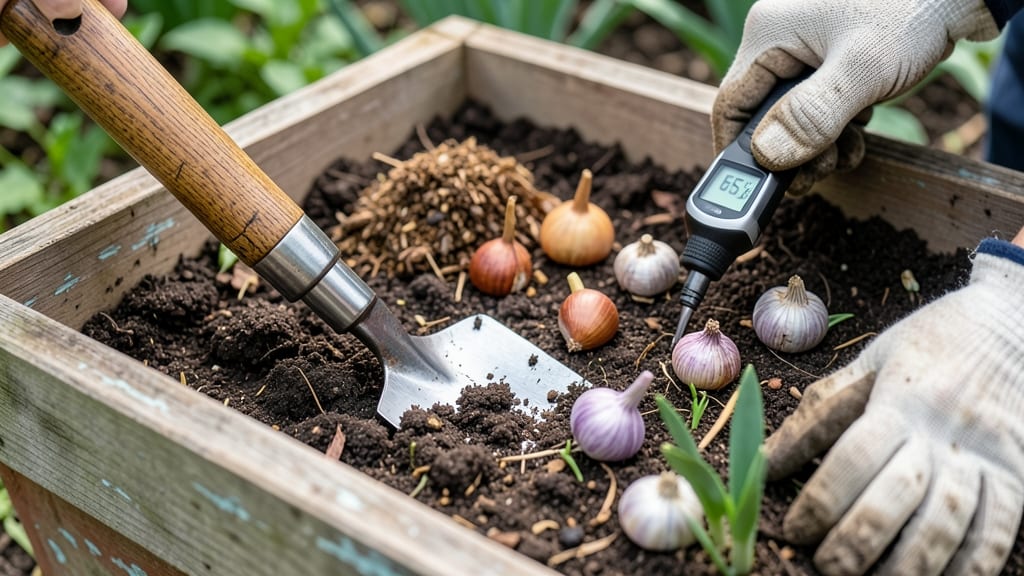
Planting your Spring Flowering Bulbs 🌷 at the wrong time in Zone 8a could mean waiting another year for those dreamy spring blooms—or worse, watching them never appear at all. The key to success isn't just when you plant, but understanding how your local climate plays tricks on traditional schedules.
Most gardeners assume fall planting is a one-size-fits-all rule, but Zone 8a's mild winters demand a 6-week window that's narrower than you'd think. Get it wrong, and you risk bulbs rotting before they even sprout.
I'll show you exactly when to dig in—plus how to adjust for coastal humidity or inland heat spikes that can throw off your timing.
You'll also discover which bulbs thrive in Zone 8a's unique conditions (spoiler: not all tulips make the cut) and how to prep your soil for maximum root growth.
Whether you're a first-time planter or a seasoned gardener, these insights will help you avoid common mistakes that keep bulbs from blooming their best.
Let’s break down the science behind fall planting, so you can set the stage for a spring garden that steals the show—without the guesswork. Ready to get started?

Optimal fall planting window for Zone 8a bulbs (with exact dates)
In Zone 8a, the 6-week fall planting window is your golden opportunity to get bulbs established before winter—typically from mid-October to early December. This timing ensures roots grow before the ground freezes, but soil temperatures below 60°F slow root development.
Planting too early risks rot, while late planting may leave bulbs dormant before they root.
Soil temperature is the critical trigger for bulb root growth. When soil cools to 50-60°F (ideal for most bulbs), roots begin forming. In Zone 8a, this usually happens in late September to early October, so aim to plant bulbs 4-6 weeks before your first frost date.
For most of Zone 8a, this lands in October—but regional microclimates matter!
Here’s the exact planting window for Zone 8a, adjusted for early/late frost zones. Coastal areas (like San Francisco) may have later frost dates, while inland areas (like Austin) freeze earlier. Always check your local frost dates and plant 6-8 weeks before the first hard freeze.
| Zone 8a Region | Optimal Planting Window | Soil Temp Trigger | Risk of Late Planting |
|---|---|---|---|
| Coastal (e.g., San Francisco) | Late October – Mid-December | 50–60°F (late Nov) | Rot from winter rains |
| Inland (e.g., Phoenix, Austin) | Mid-September – Early November | 55–65°F (early Oct) | Dormancy before rooting |
| Valleys (e.g., Sacramento) | Early October – Late November | 50–60°F (mid-Oct) | Frost damage to new roots |
If you miss the fall window, some bulbs (like tulips) can be planted in early spring, but they’ll bloom 4-6 weeks later than fall-planted bulbs.
Spring planting is riskier in Zone 8a because bulbs may bolt to flower before establishing roots, leaving them weak and prone to disease.
For tropical bulbs (e.g., cannas, dahlias) or heat-loving varieties, adjust your timing.
These bulbs need warmer soil (65°F+) to root, so plant them after your first frost—typically December to February in Zone 8a. However, they’ll need extra chilling (like a fridge or cold frame) to bloom reliably.
Test your soil’s readiness by checking moisture and temperature. Stick a soil thermometer 6 inches deep—if it’s below 50°F, wait a week or two. Overly wet soil can cause bulb rot, so amend heavy clay with compost or sand to improve drainage.
A well-draining, slightly sandy loam is ideal for most bulbs.
Mulch after planting to insulate bulbs and retain moisture. Use 2-3 inches of straw or shredded leaves, avoiding thick layers that can smother bulbs. In Zone 8a’s mild winters, mulch also prevents temperature fluctuations, which can stress bulbs during dormancy.
Pro tip: Plant daffodils and alliums first—they’re deer-resistant and tolerate cooler soils. Save tulips for slightly warmer soil (60°F+), as they’re more sensitive to early frost. Label your bulbs with plant markers to track varieties and avoid confusion next spring!
Remember, the earlier you plant, the stronger the roots—but don’t rush. Bulbs planted in early October in Zone 8a will have 6-8 weeks of root growth before winter, setting the stage for vibrant spring blooms. Mark your calendar now and dig in!
Best bulbs to plant in Zone 8a (and when to avoid them)
Zone 8a's mild winters and hot summers create unique challenges for bulb gardeners. Cold-hardy bulbs like tulips and daffodils thrive here, but tropical varieties like canas need special timing. The key is matching each bulb's chilling requirements with your local frost dates.
Some bulbs actually struggle in Zone 8a due to our warm winters. Hyacinths and crocuses, for example, may fail to bloom reliably without proper dormancy. Meanwhile, alliums and fritillarias often perform better because they handle our mild winters with ease.
Here's how to decide which bulbs to plant—and when to skip them in your Zone 8a garden:
Zone 8a Bulb Planting Guide
✅ Best Choices
- Daffodils (Oct-Nov)
- Alliums (Nov-Dec)
- Fritillarias (Oct-Nov)
- Tulips (Nov-Dec)
- Crinum lilies (Sep-Oct)
Cold-hardy varieties that handle Zone 8a's mild winters
❌ Avoid These
- Hyacinths (unless planted early)
- Crocuses (often fail to bloom)
- Snowdrops (need colder winters)
- Paperwhites (better for containers)
Tropical bulbs that struggle with Zone 8a's warmth
🔄 Special Cases
- Tulips - Plant late November to avoid winter rot
- Canas - Plant September for summer blooms
- Rain lilies - Plant after first frost for spring blooms
Bulbs needing adjusted timing in Zone 8a
For tropical bulbs like rain lilies or canas, plant them earlier in fall (September-October) to establish roots before our mild winters. These varieties actually prefer Zone 8a's warmth and will reward you with longer bloom seasons.
If you're tempted to plant hyacinths or crocuses, try forcing them indoors in late summer instead. These bulbs need colder winters than Zone 8a typically provides, making outdoor planting unreliable for consistent blooms.
Pro tip: Test your soil temperature before planting—most bulbs need 60°F soil for root growth. Use a soil thermometer to time your planting perfectly for Zone 8a's variable winters. 🌱