
Trees
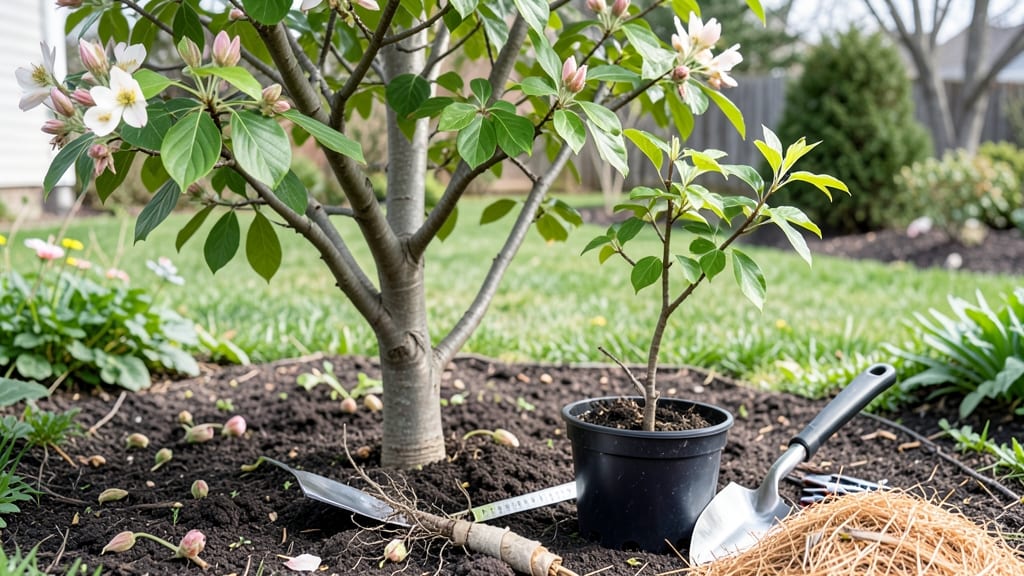
Planting a Dogwood Tree 🌳 in North Carolina at the wrong time could mean waiting years for those iconic spring blooms—or worse, watching your tree struggle from the start.
Unlike other trees, dogwoods are picky about their planting window, especially since North Carolina’s chill-hour zones (like 6b-8a) create dramatic differences in what works where.
If you’ve ever wondered why some dogwoods thrive in the Piedmont while others in the Coastal Plain barely survive, the answer lies in timing. The best months to plant—late fall to early spring—align with your local frost dates and dormancy cycles.
Miss this window, and you risk heat stress, poor root establishment, or even death in extreme cases.
I’ll break down exactly when to plant in your county, whether you’re working with bare-root saplings or container-grown trees, and how to adjust for North Carolina’s humidity and soil variations. No more guessing—just science-backed advice to set your dogwood up for a lifetime of stunning spring color.
Let’s dive into the chill-hour map and planting calendar that’ll save you time, money, and frustration. Your future blooms will thank you.
NC dogwood planting timeline by chill-hour Zones (2024 guide)
North Carolina's diverse climate means your dogwood planting window can shift dramatically between the Coastal Plain and Mountain regions. Most dogwood varieties need 500-1,000 chill hours, but exact timing depends on your USDA zone and local frost patterns.
Planting at the wrong time risks stress, poor root establishment, or even death—especially for bloom-sensitive cultivars like Cornus florida.
For optimal dogwood success, aim to plant when soil temperatures stay below 60°F and the tree is dormant. This usually means late fall to early spring, but exact dates vary by county.
The Piedmont region (Zones 7a-7b) has the tightest window, while Mountain counties (Zones 6a-6b) can plant slightly later. Let’s break it down by NC region and chill-hour zone.
🌱 Pro Tip: Always check your local frost dates (via NC State Extension) before planting. Coastal areas like Wilmington may need to plant in November, while Asheville can wait until March.
| Region | USDA Zone | Chill Hours | Best Planting Window | Soil Prep Tip |
|---|---|---|---|---|
| Coastal Plain | 8a-8b | 500-700 | November 1 - December 15 | Amend sandy soil with compost |
| Piedmont | 7a-7b | 700-900 | November 15 - January 31 | Test pH (5.5-6.5 ideal) |
| Mountains | 6a-6b | 900-1,200 | February 1 - March 15 | Mulch heavily for winter protection |
| All Regions | N/A | N/A | Avoid planting in heatwaves | Water deeply after planting |
In the Coastal Plain (Zones 8a-8b), where winters are milder, dogwoods thrive when planted in November.
Areas like New Bern and Wilmington see fewer than 700 chill hours, so varieties like Cornus florida 'Cherokee Brave' (disease-resistant) perform best. Bare-root trees should go in by December 15 to avoid spring heat stress.
For the Piedmont (Zones 7a-7b), including Raleigh and Durham, the window stretches from mid-November to late January.
This region’s 700-900 chill hours suit classic white-flowering dogwoods, but pink varieties like Cornus florida 'Rubra' may need extra winter protection. Container-grown trees can handle slightly later planting (up to March), but avoid summer heat.
The Mountains (Zones 6a-6b), such as Asheville and Boone, can plant until mid-March thanks to 900-1,200 chill hours. Here, late-winter planting (February) reduces transplant shock. Mulch heavily (3-4 inches) to retain moisture and protect roots from freeze-thaw cycles.
Varieties like Cornus florida 'Cloud 9' (dwarf) are popular for smaller yards.
🌿 Key Exception: If you’re planting container-grown dogwoods, you can extend the window slightly into early spring (March-April), but always avoid heatwaves (above 85
How to calculate your county’s chill-hours for perfect dogwood timing
Dogwood trees in North Carolina thrive when planted during their dormant season, but timing varies by county due to chill-hour differences. These hours—measured as temperatures between 32°F and 45°F—trigger blooming.
Without enough, your tree may skip flowers or struggle to establish roots. Let’s calculate your county’s exact chill-hour total so you can plant at the perfect time.
Start by visiting the NOAA Climate Data website or the NC State Extension chill-hour calculator. Both tools let you input your county and retrieve historical chill-hour data. For example, Asheville (Zone 7a) typically accumulates 1,200–1,500 chill-hours, while Wilmington (Zone 8a) sees only 600–800 hours.
Dogwoods need 500–1,000 chill-hours for reliable blooms, so lower totals may require later planting.
🌱 Chill-Hour Calculator Shortcut:
Use the NC State Extension Chill-Hour Tool (link in resources) to instantly find your county’s total. Enter your ZIP code, and it’ll show your historical chill-hours and optimal planting window. For dogwoods, aim to plant when 50–70% of chill-hours are complete—usually November–February in most of NC.
Next, cross-reference your chill-hour total with USDA Hardiness Zones. Dogwoods in Zone 6b (e.g., Greensboro) can handle 1,000+ chill-hours, while those in Zone 8a (e.g., Raleigh) should be planted later to avoid early heat stress.
Check the NC A&T Ag Extension map for your zone’s last frost date—this marks the earliest safe planting window.
Adjust your planting date based on chill-hour accumulation. If your county averages 800 chill-hours by December 1, plant bare-root dogwoods in early December. For container-grown trees, wait until January–February when soil temps drop below 60°F. This ensures roots establish before spring growth begins.
Pro tip: Monitor your local weather station (like Weather Underground) for weekly chill-hour updates. Some years, early cold snaps can push totals ahead, while mild winters delay them. For example, Charlotte (Zone 8a) might need to wait until mid-February if December stays warm.
Once you’ve calculated your chill-hours, mark your calendar for 6–8 weeks before your county’s last frost. This gives roots time to knit before spring growth. For Piedmont counties, that’s often late November–early January, while Coastal Plain areas may push to January–February.
Planting at the right time ensures your dogwood’s first bloom arrives on schedule—and with vibrant color.