
Trees
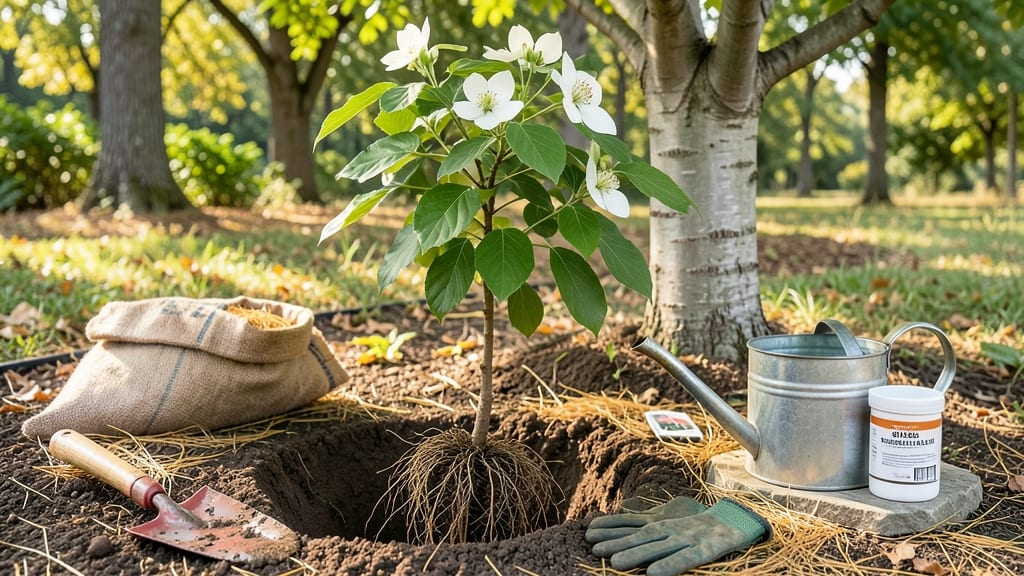
Planting a dogwood tree 🌳 in Georgia at the wrong time can mean the difference between a showstopping spring display and years of struggling growth. The key to success lies in timing—fall or early spring—when Georgia’s climate works in your favor, not against you.
Many gardeners assume spring is the only option, but fall planting actually gives dogwood roots a head start before winter dormancy. In Georgia’s 7a-8b zones, this means targeting October through November or February to March for optimal results.
Why? Because cooler temperatures reduce transplant shock while allowing roots to establish before extreme heat arrives.
If you’re planting bare-root dogwoods, early spring is your best bet—soil warms up faster, giving roots a jumpstart. Container-grown trees, however, handle fall planting beautifully, as their established root systems adapt more easily to seasonal changes. Either way, avoiding Georgia’s scorching summer months is non-negotiable.
Ready to plant? I’ll walk you through the exact steps to prepare your site, choose the right variety for your Georgia microclimate, and keep your dogwood thriving for decades. Let’s get those roots in the ground the right way.
Georgia’s dogwood planting calendar: exact months for optimal root establishment
Georgia’s dogwood trees (Cornus florida) thrive when planted during their optimal root-establishment windows, which vary dramatically across the state’s three distinct microclimates: coastal, Piedmont, and mountain regions. Timing isn’t just about seasons—it’s about soil temperatures and frost-free periods that differ by just 4-6 weeks between regions.
In USDA Zones 7a-8b, missing the window by even a month can mean stunted growth or winter dieback.
For most Georgia gardeners, the best months to plant dogwood trees are October through November (fall) or February through March (early spring). However, these timelines shift based on elevation and proximity to the coast.
For example, coastal Savannah (Zone 8a) can handle November plantings, while mountainous Northeast Georgia (Zone 7a) must finish by mid-October to avoid early frosts. Let’s break down the exact planting calendar for each region.
Soil temperature is the critical factor for dogwood survival. Roots need 60-65°F soil temps to establish before dormancy sets in. In Georgia, this typically occurs by mid-October in the mountains and late November on the coast. Use a soil thermometer to verify—planting when temps drop below 55°F risks root shock and poor establishment.
Bare-root dogwoods (most common in nurseries) have 6-8 weeks to establish roots before winter. Container-grown trees, however, can handle late spring plantings (April) because their roots are already established. But in Georgia’s heat, May plantings are risky—transplant shock from 90°F+ soil can kill young trees within weeks.
Regional adjustments are non-negotiable. Here’s how to align your planting with Georgia’s three key microclimates:
| Region | USDA Zone | Ideal Planting Window | Soil Temp Threshold | Critical Deadline | Notes |
|---|---|---|---|---|---|
| Coastal (Savannah, Brunswick) | 8a-8b | Oct 15–Nov 30 | 60–65°F (lasts until Dec 15) | Dec 1 (first frost risk) | Humidity extends root zone; mulch heavily to prevent fungal rot. |
| Piedmont (Athens, Macon) | 7b-8a | Oct 1–Nov 15 | 60–65°F (lasts until Nov 30) | Nov 20 (first frost likely) | Clay soils need amendments; water deeply post-planting. |
| Mountains (Blue Ridge, Dahlonega) | 7a | Sep 15–Oct 15 | 55–60°F (lasts until Oct 30) | Oct 20 (frost risk rises) | Acidic soils; test pH (ideal: 5.5–6.5) before planting. |
| Spring Planting (All Regions) | 7a–8b | Feb 15–Mar 15 | 50–55°F (soil warms by March) | Mar 31 (last frost date) | Best for container-grown trees; avoid April (heat stress). |
Spring planting in Georgia offers a second chance for those who missed fall’s window. Focus on early spring (February-March) when soil temps hover around 50–55°F.
By mid-March, coastal areas can push to April plantings, but Piedmont and mountain regions should finish by March 15 to avoid heat stress. Pro tip: Container-grown dogwoods adapt better
Dogwood tree planting mistakes in Georgia: what to avoid for healthy growth
Planting a dogwood tree in Georgia requires careful timing and preparation to avoid common mistakes that can stunt growth or invite pests. One of the biggest errors is planting during the hottest months (July-August), when the soil is too dry and heat stress weakens young roots before they establish.
The second frequent mistake is ignoring Georgia’s clay-heavy soils, which can suffocate roots if not amended properly. Dogwoods thrive in well-draining, slightly acidic soil (pH 5.0-6.5), but Georgia’s native clay often needs compost or organic matter to improve aeration and moisture retention.
Finally, many gardeners overlook dogwood borers, a destructive pest in Georgia that targets stressed trees. These beetles lay eggs in bark crevices, and their larvae tunnel into the wood, weakening the tree’s structure.
⚠️ Critical Planting Mistakes to Avoid
- Timing: Never plant in summer heat (June-August). Roots can’t establish in 90°F+ soil.
- Soil: Skip planting in unamended clay. Test soil pH—dogwoods need acidic conditions (pH 5.0-6.5).
- Pests: Inspect trees for dogwood borer signs (sawdust-like frass) before planting.
Pro Tip: Plant in fall (October-November) or early spring (February-March) for best survival.
To prevent these issues, start by testing your soil’s pH and amending it with compost or peat moss if needed. For container-grown dogwoods, remove them from pots and soak roots in water for 1-2 hours before planting to reduce transplant shock.
After planting, mulch around the base (but not touching the trunk) with 3-4 inches of organic mulch to retain moisture and regulate soil temperature. Avoid mulching too heavily, as it can smother roots and attract pests.
Monitor your dogwood for signs of stress, such as wilting leaves or holes in the bark. If you spot dogwood borer activity, treat immediately with neem oil or insecticidal soap to protect your investment.
By avoiding these common mistakes, your dogwood will establish strong roots, resist pests, and reward you with stunning spring blooms for years to come. 🌳