
Plants
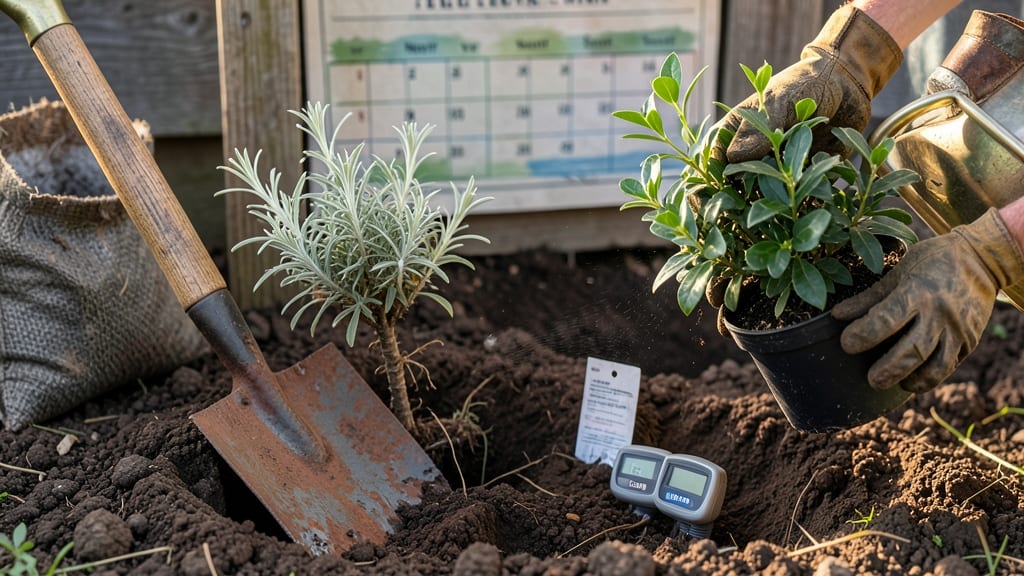
Planting bushes in Texas at the wrong time can mean the difference between a thriving 🌿 garden and struggling plants that never quite take off.
With our long, brutal summers and unpredictable frost patterns, timing is everything—especially when you're dealing with zones 8a-11 and everything from drought-tolerant shrubs to frost-sensitive varieties.
Most Texas gardeners swear by the fall window (October-November) or early spring (February-March), but the "best" time depends on where you live. In North Texas, you might need to wait until March to avoid late frosts, while South Texas gardeners can plant well into December.
The key is understanding your microclimate and bush type—evergreens handle heat better than flowering varieties, and clay-heavy soil in East Texas behaves differently than the sandy loam of West Texas.
I've spent years testing what works (and what doesn't) across Texas, and what I'm about to share will help you avoid the 3 biggest mistakes that kill new bushes before they even get established.
Whether you're adding privacy screens, colorful accents, or wildlife-friendly shrubs, these region-specific tips will give your plants the best possible start.
Let's break down exactly when to plant in your part of Texas, which bushes thrive in which seasons, and how to prep your soil for maximum success—so you can enjoy lush, healthy growth all year long without the guesswork.
Best planting months for bushes in Texas by region (north vs. Central vs. south)
Texas’s diverse climate means planting bushes at the wrong time can spell disaster—whether it’s heat stress in summer or frost damage in winter. But by aligning your schedule with regional frost dates and microclimates, you can give your bushes the best shot at thriving.
North Texas’s cooler winters and Central Texas’s unpredictable swings demand different strategies than South Texas’s mild winters and brutal summers.
For evergreen bushes like Yaupon Holly or Texas Sage, timing matters most to avoid transplant shock. Deciduous bushes, such as Crape Myrtle or Eastern Redbud, benefit from cooler soil temps, making early spring or fall the sweet spot.
Flowering bushes like Lantana or Abelia also thrive when planted outside peak heat, ensuring roots establish before summer’s intensity.
Here’s how to tailor your planting schedule by region, accounting for last frost dates, heat tolerance, and local rainfall patterns:
In North Texas, where winters dip below freezing, focus on fall planting (October-November) to let roots establish before cold snaps. Crape Myrtles and Oakleaf Hydrangeas thrive when planted in these months, while evergreens like Boxwoods need extra mulch to protect roots.
Spring planting in February-March works too, but avoid late March if frost is still possible.
Central Texas’s unpredictable frost and intense summer heat make September-October the safest window. Texas Sage and Mexican Petunia love this timing, but avoid planting in June-August unless you’re using drip irrigation and shade cloth. January-February is ideal for deciduous bushes like Forsythia, as they’ll bloom beautifully the following spring.
South Texas’s mild winters and long growing season let you plant year-round, but September-October and January are peak times. Bougainvillea and Firebush thrive when planted in fall, while summer planting is risky due to humidity and pests.
If you must plant in summer, choose heat-tolerant varieties like Lantana and provide afternoon shade for the first 4-6 weeks.
Pro tip: Test your soil before planting—Texas soils range from clay-heavy in North Texas to sandy in South Texas.
Amend with compost or organic matter to improve drainage and moisture retention. Mulch heavily (2-3 inches) to lock in moisture and regulate soil temps, especially in Central and South Texas where summer drought is harsh.
For container-grown bushes, timing shifts slightly—plant evergreens in fall and deciduous types in early spring to avoid root stress. Water deeply after planting and keep soil moist (but not soggy) for the first 4-6 weeks.
In urban areas, monitor microclimates—shaded spots stay cooler and may extend planting windows by a month or two.
Remember: Bare-root bushes need immediate watering, while container-grown plants benefit from a root stimulator at planting. Prune back leggy growth to encourage bushier
How to adjust planting timing for Texas heat and frost zones (6-9)
Texas’s USDA zones 6-9 create a unique challenge for bush planting—too early, and summer heat will shock young roots; too late, and winter frosts may damage tender varieties.
The key is matching plant types to your microclimate, whether you’re in the Hill Country’s cooler nights or the Gulf Coast’s humid warmth. I’ve learned that fall planting (October–November) is my go-to for most regions, but spring planting (February–March) works for heat-loving bushes like Crape Myrtle.
For urban gardeners with limited space, container gardening lets you adjust timing by controlling soil temperature and moisture. Smaller pots heat up faster, so I always plant container bushes slightly earlier in spring or later in fall to avoid stress.
Mulching with 3–4 inches of wood chips helps regulate soil temps and retains moisture, extending your planting window by 2–4 weeks in either direction.
Microclimates in Texas can shift planting times by 30+ days. For example, East Texas (zone 8) might safely plant evergreens in early December, while West Texas (zone 7) should wait until mid-February to avoid freeze damage. Always check your local frost dates—I use the Texas A&M AgriLife Extension maps to plan around them.
Avoid planting bare-root bushes in summer heat—their roots dry out in under 24 hours if not immediately watered. Instead, opt for container-grown plants, which have established root balls that handle transplant shock better.
For summer planting (June–August), I always soak the root ball for 10–15 minutes before planting and use shade cloth for the first 2 weeks.
If you’re in a container garden, move pots to shadier spots during peak afternoon heat (12 PM–4 PM). I’ve found that self-watering containers with 10+ gallons of capacity reduce my watering frequency by 50% and keep roots cool.
For ground-planted bushes, focus on deep watering—1–2 gallons per plant—every 7–10 days during dry spells.
Finally, amend your soil with compost or peat moss before planting to improve water retention. In clay-heavy soils (common in East Texas), I mix in sand or perlite to prevent compaction.
With these adjustments, you can extend your planting window by 4–6 weeks and give your bushes the best start—no matter your Texas zone! 🌱