
Plants
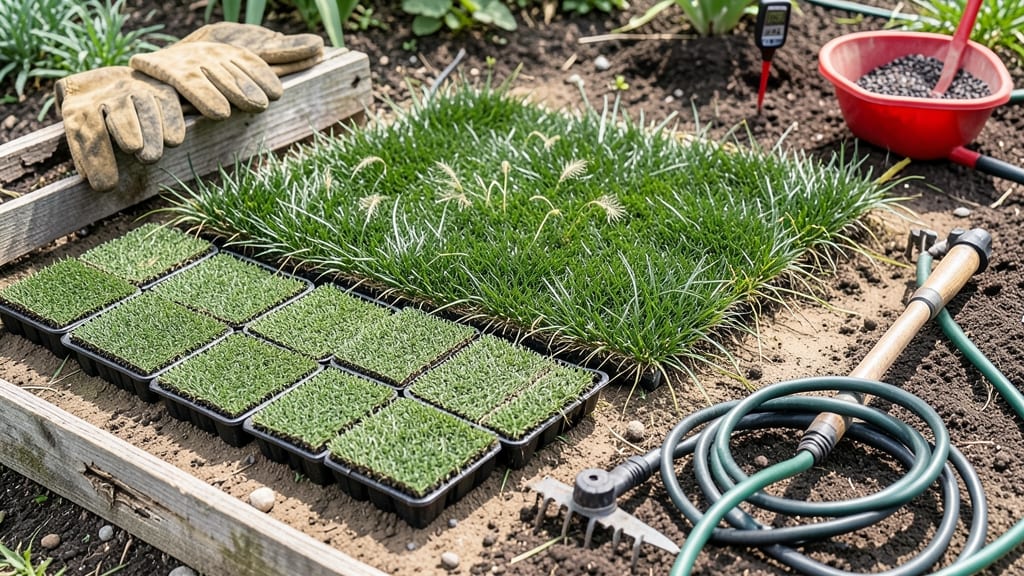
Planting the coastal hay in Texas at the wrong time can mean the difference between a thriving pasture and wasted seeds—especially when dealing with the state’s unpredictable climate shifts.
The perfect window isn’t just about months, but about soil warmth, rainfall patterns, and avoiding those scorching summer slumps that stall germination.
For most of Texas’ coastal regions (Zones 8a-10a), the sweet spot is late spring, when soil temperatures hit 65°F and the ground is moist enough to support new growth.
But timing varies sharply between the Gulf Coast’s humid heat and the Hill Country’s slower warm-up—so let’s break down the exact calendar for your area.
You’ll discover how to align your planting with Texas’ frost-free dates, rainfall cycles, and even microclimates that can shift success by weeks. Whether you’re restoring erosion-prone slopes or boosting forage for livestock, these insights will help you establish Coastal Bermudagrass with confidence.
From soil prep to post-planting care, we’ll cover the 5 critical factors that separate thriving pastures from failed attempts—so you can finally get the drought-resistant, high-yield grass you’ve been waiting for.
Optimal coastal hay planting months by Texas region (with soil temp guidelines)
Texas' diverse climate zones mean your Coastal Bermudagrass planting timing must match local conditions. North Texas (Zones 8a-8b) has later frost dates, while South Texas (Zones 9a-10a) can plant earlier. The 55-65°F soil temperature rule is non-negotiable for germination - use a soil thermometer to verify before planting.
Rainfall patterns also dictate success: North Texas needs 1-2 inches of rain after planting, while South Texas benefits from daily watering until roots establish. Central Texas falls somewhere in between, requiring consistent moisture but with more drought tolerance once established.
Here's your region-specific planting calendar with soil temperature thresholds and rainfall considerations to maximize germination rates and early growth.
| Texas Region | Best Planting Months | Soil Temp Threshold | Rainfall Needs | Key Considerations |
|---|---|---|---|---|
| North Texas (Zones 8a-8b) | April-May | 60-65°F | 1-2 inches post-plant | Wait for last frost (avg. March 15) |
| Central Texas (Zones 8b-9a) | March-April | 58-63°F | Consistent moisture | Soil prep in February |
| South Texas (Zones 9a-10a) | February-March | 55-60°F | Daily watering until established | No frost risk year-round |
| Gulf Coast (Zones 9b-10a) | January-February | 55-62°F | Humidity helps germination | Watch for fungal risks |
For North Texas, I recommend planting in mid-April when soil temperatures consistently reach 62°F. This gives seeds time to germinate before summer's 100°F+ heat arrives. Central Texas gardeners should aim for late March when daytime highs stabilize above 70°F.
In South Texas, the January-February window works perfectly because the mild winters prevent frost damage. Gulf Coast regions can even plant as early as December, but watch for fungal diseases from high humidity. Always test soil moisture with your finger - it should feel damp but not soggy.
Pro tip: Seed depth matters. Plant Coastal Bermudagrass seeds only 1/4 inch deep - any deeper and they won't germinate. Use a seed starter fertilizer (10-20-10 ratio) at planting time to give young seedlings a growth boost.
Remember that soil preparation starts 4-6 weeks before planting. Till the soil to 6 inches deep, remove weeds, and add compost to improve drainage. North Texas soils often need extra compost to prevent compaction from summer rains.
After planting, maintain consistent moisture for the first 30 days. Mulch lightly with straw to retain moisture and suppress weeds. First mowing should occur when grass reaches 6-8 inches tall - this encourages dense growth and prevents seedhead formation.
For maximum yield, time your second planting in late summer (August) when soil temperatures drop below 85°F. This fall establishment often produces stronger stands than spring plantings alone.
5 Critical factors that determine your coastal hay planting success (beyond just months)
Timing your Coastal Bermudagrass planting is only half the battle. Even with the perfect spring window, your hay won’t thrive without addressing these five critical factors. I’ve seen pastures fail because of overlooked details like soil pH or seed depth—don’t let that happen to you.
First, soil pH between 6.0 and 7.0 is non-negotiable. Coastal hay struggles in acidic or alkaline extremes. Test your soil before planting—many Texas soils lean alkaline, so you may need sulfur amendments to adjust. Skipping this step means slower germination and weaker stands.
Next, moisture levels during germination are everything. Seeds need consistent dampness but won’t tolerate soggy conditions. Aim for 1-1.5 inches of water weekly after planting, delivered in the morning to prevent fungal risks. My drip irrigation setup saved my first planting from drought stress.
- ✅ Soil pH 6.0-7.0: Test and amend before planting to avoid stunted growth.
- ✅ Seed depth ¼ inch: Plant too shallow and seeds dry out; too deep and they rot.
- ✅ Moisture consistency: Keep soil damp (not soggy) for 30 days post-planting.
- ✅ Weed control: Pre-emergent herbicide 2 weeks before planting prevents competition.
- ✅ Post-planting care: Fertilize with 16-4-8 NPK 6 weeks after germination.
Seed depth of just ¼ inch is ideal—any deeper and seeds suffocate; any shallower and they dry out. Use a seed drill or broadcast spreader for even coverage. I once planted too deep in a rush, and germination dropped by 40%. Mark your rows to avoid mistakes.
Weed competition is the silent killer of new hay pastures. Apply a pre-emergent herbicide two weeks before planting to block weeds. After germination, hand-pull any invaders immediately—Coastal Bermuda grows slowly at first and can’t outcompete weeds. My neighbor’s pasture failed because he ignored this step for three weeks.
Finally, post-planting care routines make or break your success. Once your hay reaches 3-4 inches tall, apply 16-4-8 fertilizer to encourage dense growth. Mow at 6-8 inches for hay production, and never let it go dormant in summer—water deeply during dry spells to maintain vigor.
Master these factors, and you’ll go from failed attempts to lush, productive pastures in no time. The difference between success and struggle often comes down to these details—not just the calendar. 🌱