
Planting
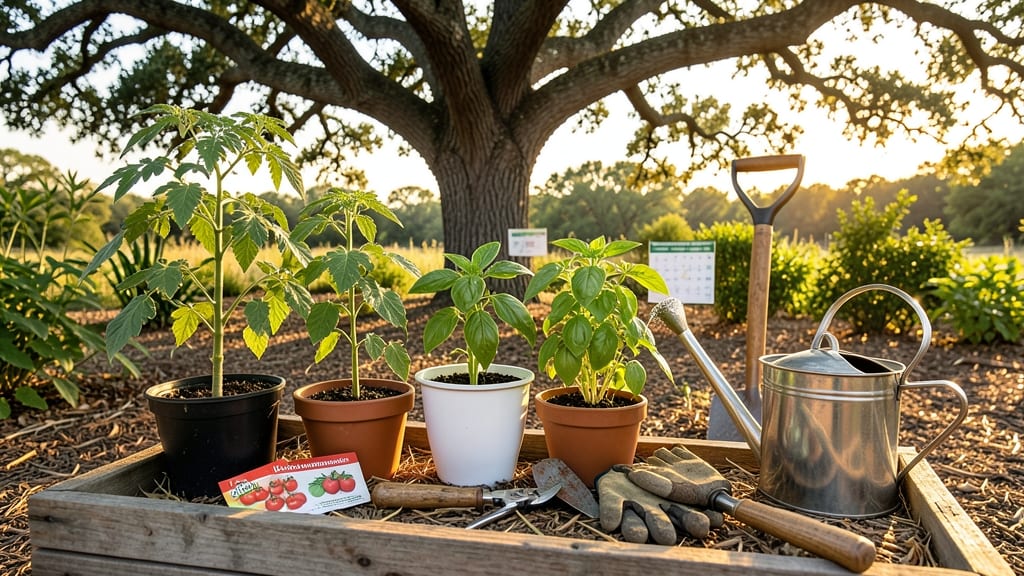
Timing when to plant a garden in Central Texas just right can mean the difference between a thriving harvest and a sad, wilted disappointment. Planting too early risks frost damage, while waiting too late might leave you missing peak growing seasons entirely.
But here's the secret: aligning your planting schedule with Central Texas' unique climate—like knowing the last frost typically hits around March 15—can set you up for success. Whether you're growing heat-loving tomatoes or cool-season greens, understanding these windows is the key to a productive garden.
I'll show you exactly when to plant each type of crop, from spring's early starts to fall's second chance. Plus, we'll explore how moon phases can give your 🌱 General Central Texas Garden an extra growth boost when timed right.
Ready to transform your garden from good to great? Let's dive into the perfect planting schedule for your zone and beyond.
Central Texas planting calendar by season: frost dates, heat tolerance, and moon phases
Central Texas gardeners face unique challenges—scorching summers, unpredictable rains, and frost dates that shift yearly. The key to success lies in understanding your USDA Zone 8a-9a climate and aligning planting with moon phases for stronger roots and foliage.
Whether you're growing heat-loving okra or frost-sensitive tomatoes, timing makes all the difference.
First, know your last frost date (typically March 15) and first frost (around November 15). Cities like Austin, Waco, and San Antonio share similar zones but may vary by 5-7 days.
Summer heat can push soil temps above 100°F, making June-August risky for cool-season crops unless you use shade cloth.
Below is your seasonal planting guide, broken down by month with moon phase tips for root crops (plant during waxing moon) and leafy greens (plant during waning moon). Use this as your roadmap to avoid common mistakes like planting melons too early or lettuce too late.
🌱
| Season | Best Plants | Moon Phase Tip | Frost Risk | Soil Temp |
|---|---|---|---|---|
| Spring (March-May) | Tomatoes, Peppers, Beans, Lettuce, Carrots | Waxing gibbous for roots (carrots), waning crescent for leaves (lettuce) | Low after March 15 | 60°F+ (use row covers if cooler) |
| Summer (June-August) | Okra, Sweet Potatoes, Eggplant, Basil, Cucumbers | Full moon for heat-lovers (okra, sweet potatoes) | None (but use shade cloth) | 75°F+ (test with thermometer) |
| Fall (September-November) | Kale, Spinach, Broccoli, Radishes, Turnips | Waning gibbous for cold-hardy roots (radishes) | High after October 15 | 50°F+ (mulch to protect) |
| Winter (December-February) | Onions, Garlic, Peas, Spinach, Arugula | New moon for dormant planting (onions) | High (use cold frames) | 40°F+ (cover with mulch) |
Spring planting kicks off in March after the last frost, but don’t rush—wait until soil temps hit 60°F for warm-season crops like tomatoes and peppers. Start cool-season greens like lettuce and spinach in February under row covers.
The waxing moon (growing phase) is ideal for root crops like carrots and radishes, while leafy greens thrive during the waning moon (shrinking phase).
Summer heat demands extra care—plant heat-tolerant varieties like okra and sweet potatoes during the full moon for maximum resilience. Avoid planting melons until soil temps exceed 75°F, or they’ll rot.
Use drip irrigation to conserve water and mulch heavily to retain moisture. Succession planting every 2 weeks ensures a steady harvest of beans and cucumbers.
Fall is my favorite season in Central Texas—cooler temps and longer daylight mean bountiful harvests. Start broccoli and kale in September for a November-December harvest. The waning gibbous moon is perfect for cold-hardy root crops like turnips and beets.
Don’t forget to harden off seedlings before transplanting to avoid shock.
Winter gardening in Central Texas is all about low-maintenance crops. Plant onions and garlic in December
Moon phase planting guide for Central Texas: root vs. leaf crops timing
Central Texas gardeners know that aligning planting with the moon’s phases can dramatically improve yields. The waxing moon (growing light) boosts root development, while the waning moon (shrinking light) enhances leafy growth.
For tomatoes and peppers, aim for waxing gibbous phases when soil temperatures hit 70°F+. Meanwhile, carrots and lettuce thrive during waning crescent phases when moisture retention matters most.
Local farmers swear by planting okra during waxing gibbous phases for stronger stems that handle our 100°F+ summers. Similarly, squash and beans planted under a waxing moon develop deeper roots to access groundwater. This method isn’t just folklore—it’s rooted in gravitational physics affecting plant sap flow and nutrient uptake.
Here’s how to apply these principles to your Central Texas garden:
For tomatoes and peppers, plant during the full moon or waxing gibbous phases when the moon’s energy peaks. These fruiting plants need maximum energy for flower production. Check your local moon phase calendar—Austin’s last frost date (March 15) often aligns with a waxing gibbous, perfect for transplanting.
Leafy greens like lettuce and spinach prefer the waning moon phases (waning crescent or gibbous) when energy shifts to above-ground growth. Plant these in September for fall harvests, avoiding our 100°F+ summer heat. The waning moon also helps carrots develop straighter roots by slowing their upward growth.
Pro tip: Use mulch during waxing phases to retain moisture for root crops. For leafy greens, focus on even watering during waning phases. Central Texas’ caliche soil benefits from these moon-aligned practices—roots grow deeper, and leaves stay lush despite our drought conditions.
Start experimenting with moon phases this season—your tomatoes might just set more fruit, and your carrots could grow straighter than ever. Happy planting! 🌱