
Companion Plants
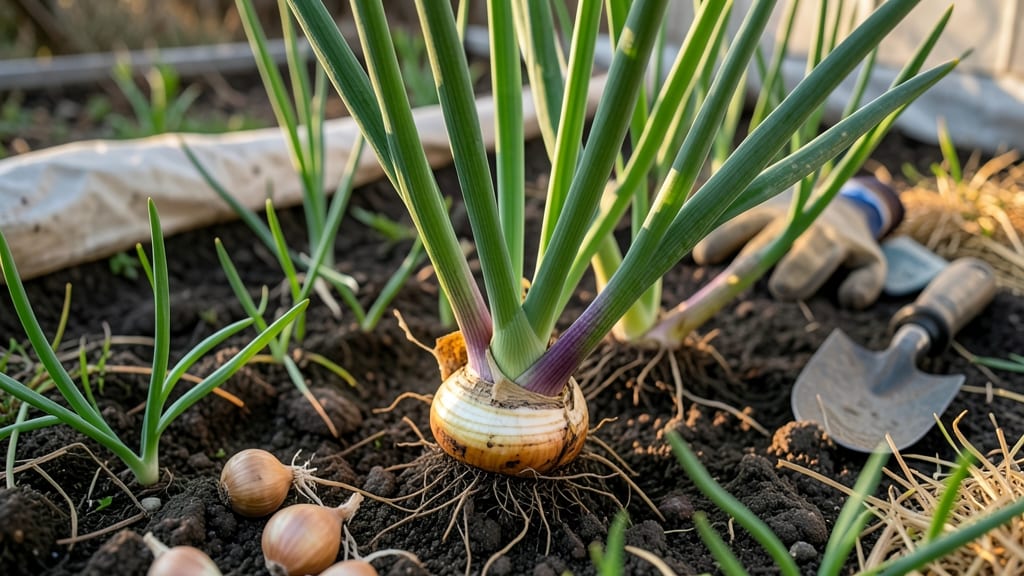
Timing your 🧅 onion planting in Zone 6 can make or break your harvest—get it wrong, and you’ll end up with bitter, stunted bulbs instead of the sweet, plump onions you’re dreaming of.
Most gardeners in Zone 6 focus only on spring planting, but fall and even overwintering options can double your yield with minimal extra effort. The key is understanding the exact weeks before your last frost date—typically around April 15—and how soil temperatures influence growth.
In this guide, I’ll break down the precise planting windows for Zone 6, from early spring to late summer strategies, plus how to adjust for your specific microclimate. Whether you’re a first-time grower or a seasoned gardener, these insights will help you plan for a bumper crop.
We’ll also cover soil prep, spacing tips, and common mistakes that even experienced gardeners make—so you can avoid them and grow onions that rival store-bought (or better!). Let’s get started.

Zone 6 onion planting timeline: exact weeks before last frost for best results
Timing your onion planting in Zone 6 is all about balancing soil temperatures, frost dates, and onion varieties. Plant too early, and you risk bolting (flowering) before bulb formation.
Plant too late, and your harvest shrinks. The key? Start 4-6 weeks before your last frost date—but only when soil hits 40°F.
Zone 6 spans diverse climates, from the Appalachian Mountains to the Midwestern plains. Northern Zone 6 (6a) has later last frosts (April 20-May 1), while southern Zone 6 (6b) can plant 2-3 weeks earlier. Use your local USDA frost calendar to pinpoint your exact window.
For spring planting, aim for March 15-April 15 in most of Zone 6. For fall planting, sow July 15-August 15—these onions overwinter and harvest the following spring. Overwintering onions need cold-hardy varieties like Evergreen Hardy White.
Soil temperature is critical. Onions won’t germinate well below 40°F, and roots struggle in cold, wet soil. Use a soil thermometer to confirm readiness. In northern Zone 6, wait until mid-April; in southern Zone 6, early March works.
If you’re using onion sets (pre-grown bulbs), plant them 2-3 weeks earlier than seeds—they sprout faster. For seeds, start them indoors 8-10 weeks before transplanting to avoid bolting. Harden off seedlings for 7-10 days before moving them outdoors.
Watch for regional frost variations. In northern Zone 6 (e.g., Pittsburgh, PA), last frosts average May 1, while in southern Zone 6 (e.g., St. Louis, MO), they’re by April 15. Adjust your timeline accordingly.
Mulch after planting to retain soil warmth and suppress weeds. Use straw or shredded leaves—never fresh grass clippings, which can burn tender onion roots. Keep mulch 2-3 inches thick but avoid piling it against the stems.
For fall-planted onions, prioritize short-day varieties like Red Baron. These onions need 10-12 hours of daylight to form bulbs, so planting in late July-August ensures they’ll mature before spring’s longer days trigger bolting.
Test your soil’s pH (6.0-7.0) and drainage before planting. Onions hate soggy roots but thrive in well-amended soil. Mix in compost or aged manure to improve fertility without overfeeding—too much nitrogen leads to leafy growth and small bulbs.
Mark your calendar for harvest time: late summer for spring-planted onions and early summer for overwintered varieties. Watch for yellowing tops and papery skins—these are your cues to dig! Cure bulbs in a dry, shaded area for 2-3 weeks before storage.
How to adjust onion planting for Zone 6’s microclimates and common mistakes
Zone 6’s diverse microclimates—from the Appalachian Mountains to the Midwestern plains—create unique challenges for onion growers. What works in southern Indiana may fail in western Pennsylvania, where cooler springs delay soil warming. Understanding these regional differences helps you avoid common planting mistakes that sabotage your harvest.
For example, northern Zone 6 areas like Pittsburgh often experience late frosts into May, while southern Zone 6 (e.g., Nashville) can safely plant onions 2-3 weeks earlier. Even within a single state, elevation changes can shift planting windows by 10-14 days.
Paying attention to these nuances ensures your onions develop plump bulbs instead of bolting prematurely.
⚠️ callout-warning ⚠️
⚠️ 3 Critical Onion Planting Mistakes in Zone 6
To adapt your planting schedule, start by checking your local frost dates. While the average last frost for Zone 6 is April 15, mountainous areas may see frost until May 1. For spring plantings, aim to set onions 4-6 weeks before your local last frost date.
In southern Zone 6, this could mean early March, while northern regions should wait until mid-April.
For fall planting, focus on short-day onion varieties like Red Baron or Stuttgarter. These can handle cooler temperatures and mature before spring bolting. Plant them 8-10 weeks before your first frost date (typically October 15 in Zone 6).
In warmer microclimates (e.g., Chattanooga), you might push planting to late September for a spring harvest.
Another key adjustment is soil preparation. Zone 6’s variable rainfall and clay soils require special attention. Test your soil’s drainage—if water pools after 30 minutes, amend with organic matter. Onions hate waterlogged roots, which can turn bulbs mushy.
Raised beds work well in heavy clay areas, while sandy soils (common in Midwest prairie regions) may need peat moss to retain moisture.
Finally, avoid the temptation to rush your harvest. Onions need 100-120 days to mature, and pulling them too early results in small, pungent bulbs. In Zone 6’s shorter growing season, prioritize early-maturing varieties like Texas Early White for spring plantings.
For fall-harvested onions, focus on storage varieties like Yellowstone to keep them through winter.