
Plants
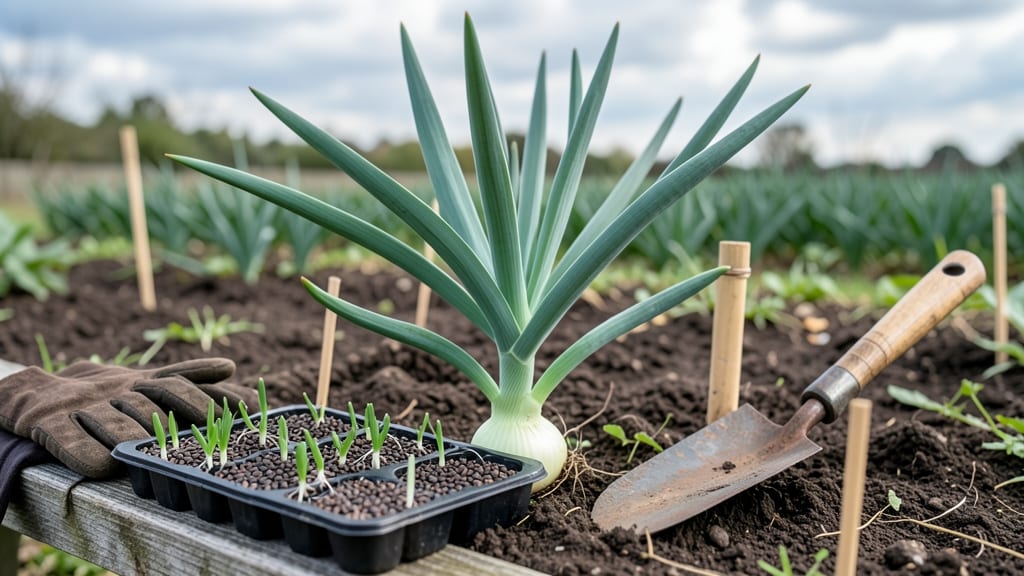
Planting onions in Oklahoma isn’t just about timing—it’s about beating the last frost while avoiding the brutal summer heat that can stunt your 🧅 harvest. Whether you’re growing sweet yellow Granex or hardy Texas Early Whites, getting the window right means the difference between plump bulbs and sad, pithy disappointments.
Most gardeners here swear by early spring (March-April) for that perfect balance of cool soil and warming days, but late summer (July-August) plantings can still deliver a fall harvest—if you play your cards right.
The key? Understanding how Oklahoma’s 6b-7a climate shifts from frost-prone mornings to scorching afternoons, and how to work with it.
I’ve tested both approaches in my own garden, and what I’ve learned will save you from common mistakes—like planting too early and risking frost damage, or waiting too long and ending up with bitter, underdeveloped onions.
Let me walk you through the exact frost-free timeline that’s worked for me, plus the varieties that actually thrive here.
Ready to grow onions that rival the ones at the farmers’ market? We’ll cover soil prep, heat tolerance tricks, and even how to adjust for Oklahoma’s unpredictable weather patterns. Your best harvest starts with the right timing—and I’ve got you covered.
Best planting windows for onions in Oklahoma’s climate zones
Oklahoma’s climate creates two distinct planting windows for onions—spring and fall—each requiring precise timing to avoid frost damage or heat stress. The state’s USDA Zones 6b-7a mean average last frost dates vary by 10-14 days between northern and southern regions.
For long-day varieties (like Yellow Granex), timing is critical to develop bulbs before summer heat sets in.
In northern Oklahoma (e.g., Oklahoma City), the last frost typically occurs around March 15-20, while southern areas (e.g., Tulsa) see frost-free conditions by March 1-10.
This 2-week difference directly impacts your planting schedule. For fall plantings, southern regions can extend harvests into late October, while northern areas must wrap up by mid-September.
Here’s the comparison-table breaking down ideal planting windows by region and variety type:
For spring plantings, aim to get onions in the ground 4-6 weeks before your area’s last frost date. In northern Oklahoma, this means early March for sets or late February for seeds started indoors.
Southern regions can push planting to mid-March safely. Use black plastic mulch to warm cold soils and accelerate germination in cooler microclimates.
Fall plantings require 80-90 days to maturity, so time them to harvest before first frost. In southern Oklahoma, you can plant as late as August 15 for a September-October harvest, while northern areas should finish by August 1.
Choose short-day varieties like Texas Early White for fall success—they bulb faster in Oklahoma’s shorter autumn days.
Oklahoma’s heat tolerance varies by variety. Day-neutral onions (like Red Creole) handle summer heat better than long-day types. If planting in June or July, provide afternoon shade and mulch heavily to retain moisture. Avoid planting after July 15 in northern regions—summer heat will cause bolting before bulbing.
Pro tip: Use soil thermometers to confirm soil temps are 50°F+ before planting. Cold soils delay germination, and onions won’t thrive below 40°F. In high-altitude areas (e.g., near Oklahoma City), wait until soil warms to 55°F for reliable sprouting.
For succession planting, stagger sets every 2-3 weeks from March through April. This ensures a continuous harvest from May through July. In fall, plant one final batch in mid-July for late-season onions before winter sets in.
Remember: Oklahoma’s unpredictable weather means flexibility is key. Monitor 10-day forecasts and adjust planting dates if late frosts threaten. With the right timing, you’ll enjoy sweet, flavorful onions straight from your garden all season long! 🌱
How to adjust planting dates for Oklahoma’s unpredictable weather patterns
Oklahoma’s weather can shift from icy mornings to scorching afternoons in a single week, making onion planting a high-stakes game of timing. If you plant too early, a late frost can kill tender seedlings, while waiting too long risks stunted bulbs or bolting before harvest.
The key is flexibility—adjusting your schedule based on soil temperatures, frost forecasts, and even moisture levels.
I’ve learned the hard way that blindly following a calendar won’t cut it here. Instead, I rely on a mix of soil thermometers, local weather alerts, and succession planting to stretch my harvest window.
For example, in Northern Oklahoma (Zone 6b), I start seeds indoors in late February, while in Southern Oklahoma (Zone 7a), I can plant sets outdoors as early as mid-March without fear of frost.
The difference? 10-14 days in timing that can mean the difference between a bountiful crop and a failed one.
⚠️ callout-warning ⚠️
🌡️ Late Frost Alert!
Oklahoma’s last frost dates vary wildly—some years, April 15 brings frost to Northern Oklahoma, while Southern Oklahoma may see May 1 frosts. Always check the National Weather Service or local Cooperative Extension for updates. For onion sets, wait until soil temps hit 50°F (10°C) for 3 consecutive days before planting outdoors.
📌 Pro Tip: Use row covers or low tunnels to protect seedlings if frost threatens after planting.
One of my go-to strategies is seed-starting indoors for early varieties like Texas Early White. I begin seeds in late January under grow lights, then transplant them outdoors 4-6 weeks before the last frost.
This gives me a 2-week head start on the season. For fall planting, I aim for late July to early August, choosing short-day varieties like Red Creole that mature faster in Oklahoma’s heat.
Succession planting is another lifesaver. Instead of planting all my onions at once, I stagger them in 2-week intervals from March through April. This ensures a continuous harvest and reduces the risk of losing everything to a single heatwave or drought.
For example, if my first batch bolts in June’s 100°F (38°C) heat, I still have fresh onions coming in from later plantings.
Don’t overlook soil moisture—Oklahoma’s droughts can turn your garden into dust overnight. I always mulch heavily with straw to retain moisture, especially during spring planting. For summer plantings, I water deeply every 3-4 days and avoid overhead watering to prevent fungal diseases like downy mildew.
A drip irrigation system has saved my onions more times than I can count.
Finally, pay attention to onion maturity signs. If your plants start bolting (sending up flower stalks) before bulbing, it’s a sign they’re stressed by heat or long daylight hours. In Oklahoma, this often happens in late May or June.
To prevent it, choose day-neutral varieties or harvest green onions early. For bulbs, aim to harvest when tops yellow and fall over—usually 90-120 days after planting, depending on the variety.
With these adjustments, you can turn Oklahoma’s unpredictable weather into an advantage. The secret? Stay flexible, monitor conditions, and be ready to adapt your plan at a moment’s notice. Your onions—and your sanity—will thank you. 🧅