
Plants
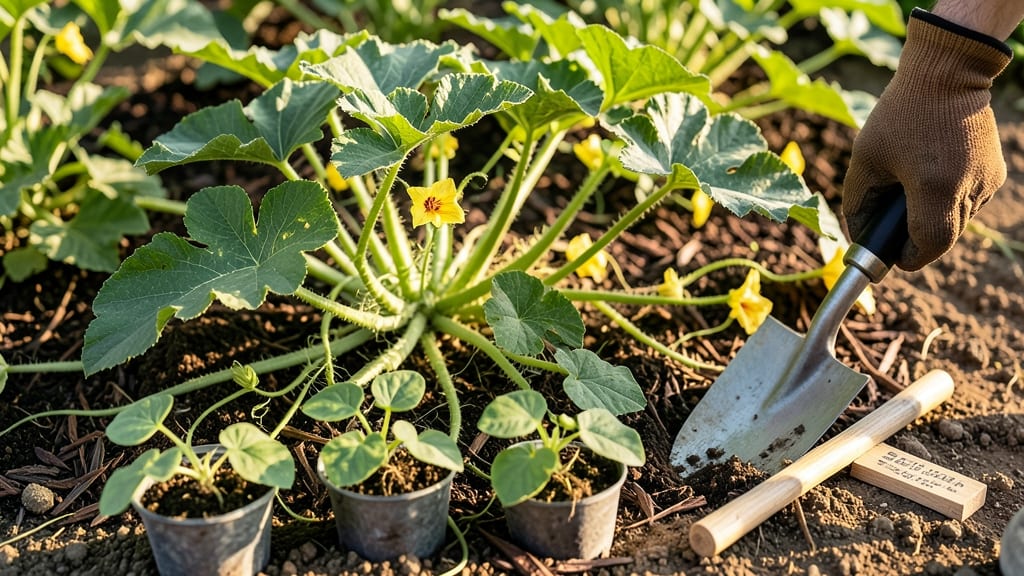
Planting watermelon in North Carolina at the wrong time can turn your 🍉 dreams into a sad, wilted vine—especially when spring’s unpredictable frost dates and heat zones throw off even the best-laid plans.
Most gardeners in zones 7a-8b wait until mid-April to mid-May, but timing isn’t one-size-fits-all. The key is soil temperatures hitting at least 70°F and all frost risk fading—because these heat-loving plants refuse to germinate in cool soil. Skip this step, and you’ll be chasing a harvest that never materializes.
I’ve learned the hard way that rushing watermelons into the ground too early means stunted growth or worse—rotting seeds. But get it right, and you’re looking at juicy, vine-ripened fruit by July or August, just in time for summer picnics.
Let me show you exactly when to plant by county heat zones so you avoid the common mistakes.
Whether you’re direct-sowing seeds or using transplants, we’ll cover the best methods for your specific NC microclimate—because not all 🍉 seasons are created equal. Ready to turn your garden into a watermelon oasis?
North Carolina’s watermelon planting calendar by heat zone (exact months)
North Carolina’s diverse heat zones (5A–8B) create a 2-3 week difference in ideal planting times for watermelons. Soil temperature and last frost dates are your best guides—wait until the ground warms to at least 70°F and all frost risk has passed.
In cooler zones like Asheville (5B), you might start seeds indoors in March, while Wilmington (8A) gardeners can direct-sow as early as mid-April.
Watermelons thrive in warm weather and long growing seasons, so timing is critical. Plant too early, and cold snaps will stunt growth; wait too long, and harvests shrink before fall frost.
Below is a heat zone breakdown with exact months, soil prep tips, and county-specific adjustments to maximize your yield.
Pro Tip: Use black plastic mulch in cooler zones to warm soil faster and extend the season. This trick works especially well in Zone 6A (e.g., Greensboro) where nights can still dip below 50°F in May.
In Zone 5A–5B (western NC mountains), start seeds indoors in late March and transplant after May 15 when nighttime temps stay above 55°F. For Zone 8A–8B (coastal areas), you can even try February plantings under row covers to jumpstart growth, but avoid direct sowing until soil warms.
Always check your local frost dates using the NC State Climate Office or Almanac tools. For example, Asheville’s average last frost is April 20, while Wilmington’s is February 28—a 6-week difference that impacts seed selection and harvest timing.
For direct sowing (most common method), scatter seeds ½ inch deep and 2 inches apart in hills spaced 3–4 feet apart. Thin seedlings to 1 plant per hill when they’re 2 inches tall.
In Zone 7B and warmer, you can even try succession planting every 2 weeks until June 1 to extend harvests.
Watch for soil-borne diseases in humid zones like Zone 8A. Rotate crops annually and avoid planting watermelons where cucumbers or squash grew the previous year. In drier inland areas (e.g., Zone 7A), mulch heavily to retain moisture and prevent cracked fruit
How to adjust planting dates for early vs. late varieties in NC
North Carolina’s diverse heat zones (5A–8B) mean you can grow both early-season and late-season watermelons, but timing is everything. ‘Sugar Baby’ (60-day variety) thrives in cooler zones, while ‘Crimson Sweet’ (85-day) needs longer summers.
Adjusting your planting window by just a few weeks can make or break your harvest—especially in Zone 5A, where frost lingers into May.
Early varieties like ‘Sugar Baby’ are your best bet for cooler zones (5A–6A), as they mature quickly before summer heat peaks. Late varieties, however, reward patience with larger, sweeter fruits but require warmer soil temps (75°F+) and a longer growing season.
In Zone 8B, you might even squeeze in a second planting by late July for a fall harvest!
| Variety Type | Best NC Zones | Planting Window | Days to Maturity | Harvest Months | Key Tip |
|---|---|---|---|---|---|
| Early Varieties (e.g., 'Sugar Baby') | 5A–7A | April 15–May 1 | 60–70 days | June–July | Plant after last frost; use black plastic mulch to warm soil faster. |
| Mid-Season Varieties (e.g., 'Crimson Sweet') | 6A–8A | April 30–May 15 | 80–90 days | July–August | Wait for soil temps to hit 75°F+; stake vines to save space. |
| Late Varieties (e.g., 'Moon and Star') | 7B–8B | May 15–June 1 or July 15–August 1 (fall crop) | 90–100 days | August–September | Use row covers early to protect from late frosts; extend season with cold frames. |
For Zone 5A–6A, I recommend starting early varieties indoors 2–3 weeks before the last frost date (typically mid-April) to give them a head start. Transplant seedlings outdoors once nighttime temps stay above 55°F.
In warmer zones (7B–8B), direct sow seeds after May 15 for a summer harvest or try a fall planting in July for a late-season bounty.
Extend your growing season in cooler zones with row covers or black plastic mulch, which can raise soil temps by 5–10°F. I’ve had great success with ‘Black Diamond’ watermelons under row covers in Zone 6A, harvesting fruits a full week earlier than expected.
Just remove covers once vines start flowering to prevent overheating.
Pro tip: Monitor soil temps with a cheap thermometer—watermelon seeds won’t germinate below 70°F.
In Zone 5A, I’ve waited until late May to plant late varieties like ‘Jubilee’, only to regret it when vines struggled in the short summer. Adjust your dates based on local microclimates—mountain regions stay cooler longer than coastal areas.
If you’re in Zone 8B, don’t overlook fall plantings! Sow seeds around July 15 for a harvest in September–October. Just be prepared to protect plants from early frosts with row covers or cold frames.
With the right variety and timing, you can enjoy homegrown watermelons for nearly half the year in North Carolina!