
Plants
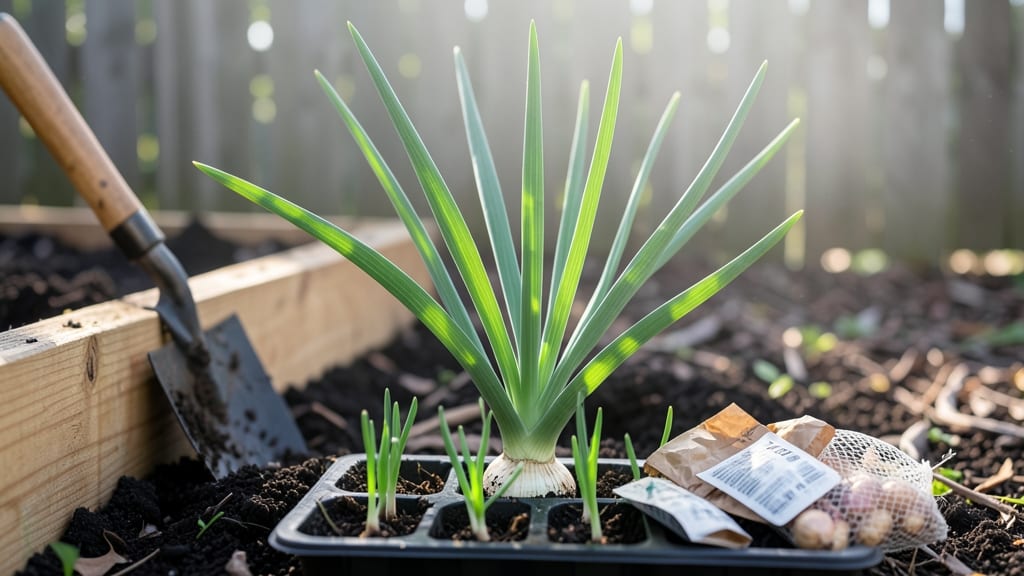
Planting onions in North Carolina at the wrong time can turn your garden dreams into bitter disappointment—especially when you're just 6 weeks away from a harvest. The key to growing sweet, plump 🧅 bulbs lies in understanding your onion variety's needs and matching them to NC's unpredictable climate shifts.
Most gardeners assume spring is the only window, but fall planting actually gives you two harvests per year. Whether you're growing short-day varieties like 'Yellow Granex' or heat-tolerant 'Red Baron', timing matters more than you think.
Get it right, and you'll enjoy onions from June through November without a single bolt.
I'll walk you through the exact planting windows for each season, including how to adjust for your specific zone within 7a-8b. You'll learn when to start seeds indoors versus planting sets directly, plus pro tips to beat North Carolina's heat and humidity that make other gardeners give up.
Ready to transform your garden from "meh" to "must-have"? Let's dive into the perfect months for planting onions in NC—and how to keep them growing strong until harvest day.
North Carolina onion planting calendar: month-by-month guide by variety
Planting onions in North Carolina requires precision—especially with the state's diverse climate zones (7a-8b) and variable frost dates. Miss the window, and you risk bolting (premature flowering) or stunted growth.
I've broken down the perfect planting months for each onion type—short-day, intermediate-day, and long-day—plus hardneck vs. bulb varieties to maximize your harvest.
North Carolina's last average frost date hovers around March 15 (earlier in Coastal areas), while the first frost typically arrives November 15. This gives us two prime planting seasons: early spring (for summer harvests) and late summer (for fall/winter harvests). Let's dive into the exact calendar for each variety.
Pro Tip: Always prepare your soil with compost-rich loam (pH 6.0-7.0) and avoid planting where onions, garlic, or leeks grew in the past 3 years to prevent disease. Mulch with straw to retain moisture and suppress weeds—critical in NC's hot summers.
For spring planting, aim to get seeds or sets in the ground 4-6 weeks before your last frost date. In North Carolina, this typically means late February to early March for most regions. If you're planting from seed, start indoors 8-10 weeks before transplanting outdoors.
Fall planting is trickier—you want onions to establish roots before winter but avoid bolting from early spring warmth. Plant 10-12 weeks before your first frost, usually August to early September. Use shade cloth (30-50%) in late summer to protect young plants from heat stress.
North Carolina's Coastal Plain (Zone 8a) has a longer growing season, so you can push spring planting into early April. Meanwhile, the Mountains (Zone 7a) should plant by mid-March to avoid late frosts.
Always check your local frost dates—they can vary by 1-2 weeks even within the same county.
One of my biggest mistakes was planting long-day onions in the fall—I ended up with bitter, bolted greens. These varieties (Red Baron, Sweet Spanish) need long daylight hours to form bulbs, so they're spring-only in
How to avoid onion bolting in North Carolina’s heat: proven tips for zero-waste harvests
North Carolina’s summer heat and long daylight hours can turn your sweet onion dreams into bitter bolting nightmares. When onions sense heat stress or extended daylight, they prematurely flower, sacrificing bulb development. The key to zero-waste harvests? Strategic planning and heat management tailored to your onion varieties.
I’ve grown onions in USDA Zones 7a-8b for years, and I’ve learned that shade cloth, irrigation timing, and soil amendments can extend your growing window by 4-6 weeks. Let’s dive into the proven tactics that keep my onions bulbing—even in Raleigh’s 90°F+ summers.
⚠️ WARNING: The #1 Mistake NC Gardeners Make Planting long-day onions (like Yellow Sweet Spanish) in spring without heat mitigation guarantees bolting by June. Even short-day varieties (like Texas Early White) struggle when soil temps exceed 85°F.
The solution? Adjust your planting timeline and microclimate control based on your onion’s day-length sensitivity and your region’s last frost date.
⚠️ CRITICAL PLANTING WINDOWS FOR NC
Spring Planting: February 15–March 15 (6-8 weeks before last frost). Fall Planting: August 1–September 1 (10-12 weeks before first frost). Miss these dates? Your onions will bolt before bulbing.
🔹 Coastal NC (Zone 8b): Shift spring planting to January 15–February 15 to avoid early heat spikes.
🔹 Mountain NC (Zone 7a): Extend fall planting to September 15 for a second harvest.
Start by choosing varieties with heat tolerance. Texas Early White and Red Creole handle NC’s heat better than Walla Walla or Purple Stripe. For long-day onions, plant 8-10 weeks before your average last frost date (typically March 15 in Piedmont).
Use shade cloth (30-50%) during peak afternoon sun to keep soil temps below 80°F.
Watering is your secret weapon against bolting. Deep water early in the morning (before 8 AM) to encourage deep roots and reduce stress. Avoid evening watering—it promotes fungal diseases like downy mildew, which weakens plants.
Aim for 1-1.5 inches of water weekly, and mulch with straw to retain moisture and cool roots.
Amend your soil with compost or well-rotted manure before planting to improve water retention and nutrient availability. Onions need consistent nitrogen, but too much late in the season can trigger bolting.
Side-dress with fish emulsion when plants are 6 inches tall, then switch to potassium-rich fertilizer (like 5-10-10) at half-strength 4 weeks before harvest.
Monitor your onions closely for bolting signs: tall flower stalks, bitter leaves, or premature yellowing. If you catch it early, prune the flower stalk at the base to redirect energy to bulb development.
For severe bolting, harvest green onions (scape onions) instead—they’re still edible and won’t waste your effort!