
Plants
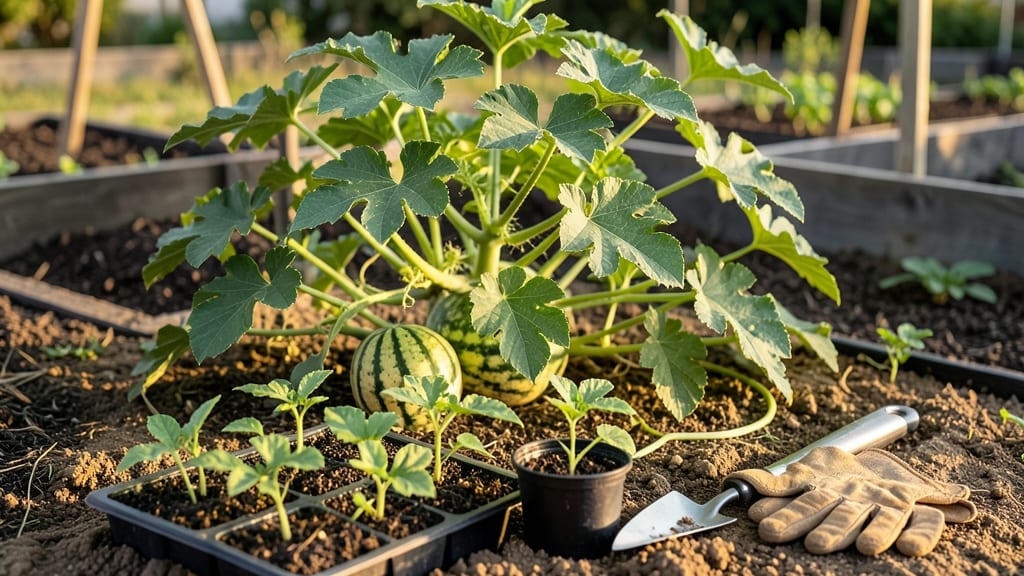
Planting watermelon in Georgia at the wrong time means skipping the sweet, juicy rewards of a homegrown harvest—and nobody wants that! The key to success lies in waiting for the perfect window after the last frost, when soil temperatures hit that sweet spot for germination.
If you've ever wondered why some gardeners in USDA zones 7b-8b get massive vines while others struggle with slow starts, it all comes down to timing.
In Georgia, mid-April to mid-May is your golden planting window, but there's more to it than just dates—soil warmth and regional microclimates play huge roles too.
I'll break down exactly when to plant your 🍉 seeds, how to check soil temperature without fancy tools, and why waiting for the right conditions saves you from wasted effort. Let's get those vines growing strong so you can enjoy fresh watermelon from July through September!
Whether you're a first-time gardener or a seasoned pro, these Georgia-specific tips will help you avoid common mistakes and maximize your harvest. Ready to turn your garden into a watermelon paradise?
Georgia watermelon planting timeline by region: frost dates & heat requirements
Georgia’s diverse climate means your watermelon planting window depends on whether you’re in North Georgia’s cooler hills, Central Georgia’s moderate valleys, or South Georgia’s scorching Lowcountry. Planting too early risks frost damage to tender seedlings, while waiting too late cuts your harvest season short.
The key? Soil temperatures of at least 75°F for germination—and knowing your region’s last frost dates.
Watermelons thrive in Georgia’s hot summers, but they need a long, frost-free growing season (typically 90-120 days from planting to harvest). In North Georgia (USDA Zones 7a-7b), you’ll need to wait longer for warm soil, while South Georgia (Zones 8a-8b) gardeners can plant earlier.
Let’s break it down by region so you can time your planting perfectly for juicy, vine-ripened melons.
Pro Tip: Use black plastic mulch to warm soil faster if your spring is slow. This trick adds 5-10°F to soil temps and speeds up germination by 1-2 weeks in cooler areas.
| Region | Last Frost Date | Ideal Planting Window | Soil Temp Threshold | Harvest Window |
|---|---|---|---|---|
| North Georgia | April 15-May 1 | Mid-May to early June | 75°F+ (use mulch!) | Late July-Sept |
| Central Georgia | March 30-April 15 | Late April to mid-May | 70°F+ (minimum) | June-August |
| South Georgia | March 15-April 1 | Early April to late April | 65°F+ (earlier risk) | May-July |
🌡️ Note: Always verify soil temp with a thermometer—don’t guess!
In North Georgia, where last frost dates often linger until April 15-May 1, patience is key. Wait until mid-May to plant seeds directly in well-drained soil warmed by at least 75°F.
Varieties like ‘Crimson Sweet’ (70-day maturity) work well here, but longer-season types (90+ days) may need row covers for early protection.
Central Georgia gardeners enjoy the best of both worlds with moderate frost dates (around March 30-April 15) and warmer soil by late April. This is prime time to plant heat-tolerant varieties like ‘Sugar Baby’ or ‘Charleston Gray’.
For a second harvest, try succession planting in early June—just be ready to harvest by September before cooler temps arrive.
If you’re in South Georgia, you can start as early as early April, but soil temps below 65°F will delay germination. Use black plastic mulch or clear plastic tunnels to create a microclimate.
Fast-maturing varieties like ‘Black Diamond’ (65 days) thrive here, letting you harvest as early as May and enjoy melons through July.
One common mistake? Planting too late and missing the heat window. Watermelons need consistent warmth—if temps drop below 70°F at night, vines slow down and fruit development stalls. In North Georgia, this means no planting after June 1 for a reliable harvest.
For container growing (great for urban gardeners!), use 5-gallon pots and plant seeds 2 weeks earlier than your region’s timeline. Containers warm up faster, but move them to a sunny patio once soil hits 70°F to avoid root shock from temperature swings.
Remember: Watermelon seeds won’t germinate below 60°F, but 75°F+ is ideal. Test your soil with a thermometer (or press your hand into the soil—if it’s too hot to hold for 5 seconds, it’s ready!).
In drought-prone areas, mulch heavily to retain moisture and prevent cracking in developing fruit.
🌱 Final Tip: Mark your calendar for 2 weeks after your region’s last frost—that’s your planting deadline for a full-season harvest. And if you love early sweetness, try greenhouse starts
Soil temperature & watermelon germination: how to test & prepare beds for success
Watermelon seeds need soil temperatures of at least 70°F (21°C) to germinate properly, but in Georgia’s unpredictable spring, waiting for perfect conditions can mean missed planting windows.
I’ve learned that testing your soil warmth is just as critical as checking the calendar—especially when North Georgia’s chilly nights can delay germination for weeks.
If your soil is too cool, even the hardiest watermelon varieties like 'Sugar Baby' or 'Crimson Sweet' will sit dormant, wasting precious growing days. The key is combining soil temperature checks with mulching techniques to create the ideal environment. Here’s exactly how I prepare my beds for foolproof germination.
Last year, I planted my 'Moon and Stars' watermelons in early May after testing soil at 78°F—they sprouted in 4 days compared to my neighbor’s 12-day wait who planted too early. The mulch made all the difference, especially in Zone 7b where springs can be deceptive.
For container growers, use black pots (like those from GrowVeg) to absorb heat—these can raise soil temps by 3–5°F compared to regular containers. And if your soil stays stubbornly cool? Try straw mulch instead of plastic—it warms slower but retains moisture better for sandy Georgia soils.
Remember: Watermelons are heat-loving annuals, and rushing them in cool soil is a recipe for leggy, weak vines. When in doubt, wait a week—your harvest will thank you. 🌱