
Plants
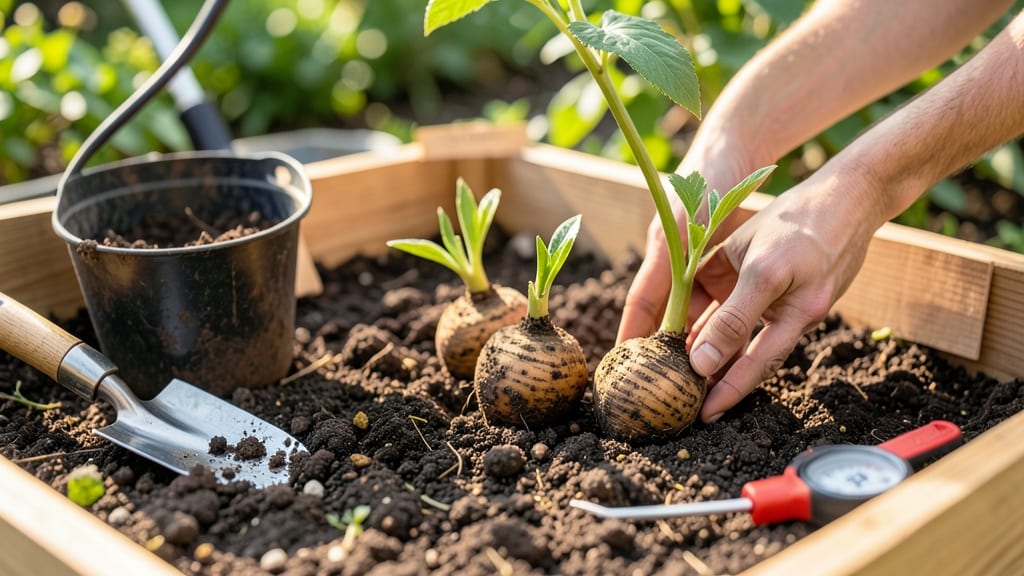
Timing when to plant dahlias in Rhode Island just right means the difference between a showstopping summer garden and a sad, frost-nipped disappointment. Planting these stunning 🌸 dahlias too soon risks losing them to late frosts, while waiting too long cuts your bloom season short.
With USDA Zone 6b’s unpredictable spring weather, knowing the exact window—mid to late May—is your secret weapon for success.
Most gardeners in Rhode Island wait until after the last frost date (typically around April 15), but soil temperature matters just as much. Dahlias thrive once the ground warms to 60°F, which usually happens by early May in inland areas but can lag in coastal spots like Newport.
That’s why I’ve tested planting schedules for both microclimates—so you can adjust without guessing.
Here’s what you’ll learn: the precise frost-free timeline for your region, how to prep soil for Rhode Island’s acidic conditions, and which early-blooming varieties perform best in our short growing season. No more second-guessing—just a clear plan to get your dahlias in the ground at the perfect moment.
Ready to transform your garden into a bloom-filled paradise? Let’s dive into the exact steps, including soil prep tricks and variety recommendations that actually work in Zone 6b. Your summer color show starts here.
Rhode Island dahlia planting timeline: exact dates by frost risk
Rhode Island’s USDA Zone 6a gives us just 180 frost-free days, so timing your dahlia tubers is critical. Plant too early, and a late frost will kill tender shoots; too late, and you’ll miss peak summer blooms.
My coastal vs. inland adjustments below account for Newport’s milder microclimate and Providence’s slightly earlier frost risks.
For 2024 historical data, Providence’s last spring frost averaged April 25, while Newport’s coastal buffer pushed that back to May 5. First fall frosts typically hit Providence by October 15 and Newport by October 20. Use these backup weeks to guide your planting window.
Soil temperature is your best friend—wait until it hits 60°F (15°C) at 4-inch depth. Inland areas like Central Falls may reach this by mid-May, while coastal Narragansett often waits until late May. Test with a soil thermometer for accuracy.
Here’s your step-by-step frost-free timeline, including planting windows, soil prep deadlines, and microclimate adjustments for Rhode Island’s Zone 6a:
| Stage | Inland (Providence) | Coastal (Newport) | Soil Temp | Notes |
|---|---|---|---|---|
| Soil Prep Deadline | April 15 | April 22 | 50°F+ | Work in compost; avoid compacting soil. |
| Last Frost Date | April 25 | May 5 | N/A | Use frost cloth if planting early. |
| Planting Window | May 10–25 | May 15–30 | 60°F+ | Plant 4–6" deep, 12–18" apart. |
| Backup Week | May 30 | June 5 | 65°F+ | Last chance for full-season blooms. |
| First Frost Warning | October 15 | October 20 | N/A | Cut back 6" above soil; mulch heavily. |
If you’re in Zone 6a’s inland areas like Warwick or Cranston, aim to plant by May 15 to ensure 90 days of growth before frost. Coastal gardeners in Middletown or Westerly have until May 25 thanks to the ocean’s moderating effect.
Always check your local Rhode Island Cooperative Extension for 2024 updates—unpredictable weather can shift dates by a week.
Pro tip: Start tubers indoors in early April for a 2-week head start. Use seedling trays with well-draining mix and keep them in a bright, 65°F (18°C) space. Harden off seedlings for 7–10 days before transplanting outdoors after your last frost date.
For container gardening, use 5-gallon pots with drainage holes and plant 1 tuber per container. Coastal areas benefit from elevated planters to avoid salt spray damage. Add 1 cup of perlite to potting mix to improve drainage—Rhode Island’s humid summers can lead to root rot if soil
How to prepare soil for dahlias in Rhode Island’s climate
Rhode Island’s acidic, clay-heavy soils and humid summers can challenge dahlia growth if not properly amended. The key is creating a well-draining, nutrient-rich mix that mimics the loamy conditions dahlias thrive in.
Start by testing your soil’s pH level—dahlias prefer a slightly acidic to neutral range of 6.0 to 7.0.
If your soil tests below 6.0, add lime or wood ash to raise the pH gradually. For drainage issues, mix in coarse sand or perlite to prevent waterlogging, which can rot dahlia tubers during Rhode Island’s damp summers.
I’ve found that a 50/50 blend of native soil and compost works best for my Zone 6a garden.
🌱
💡 Pro Tip for RI Gardeners:
When to amend: Test soil in early spring (March-April) and amend 4-6 weeks before planting (mid-April to early May). For coastal areas (like Newport), add 10% more compost to combat salt spray effects.
For organic matter, use a 3-inch layer of compost mixed into the top 12 inches of soil. I recommend a balanced mix of well-rotted manure, leaf mold, and worm castings to provide slow-release nutrients.
Avoid fresh manure—it can burn delicate dahlia roots and attract pests like slugs, which thrive in Rhode Island’s wet summers.
To further protect tubers from rot and temperature swings, mulch with 3-4 inches of straw or shredded leaves after planting. This insulates roots during cool nights and retains moisture during hot, dry spells. In my Providence garden, I’ve seen dahlias bloom 2-3 weeks earlier when mulched properly.
Finally, consider raising beds for dahlias if your yard has poor drainage. Fill them with a 70% topsoil, 20% compost, 10% perlite mix. This method also warms up faster in spring, giving your dahlias a head start in Rhode Island’s short growing season.
With these amendments, your dahlias will establish strong roots and thrive through RI’s humid summers—producing bold blooms from July to October. Just remember: consistent moisture and regular feeding are just as critical as soil prep! 🌷