
Plants
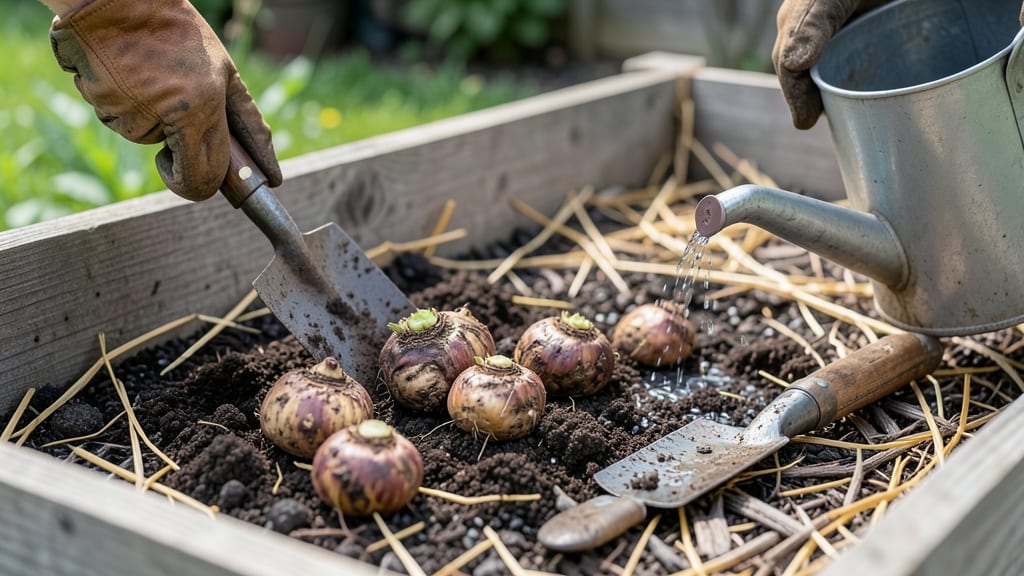
Planting dahlia bulbs at the wrong time in Wisconsin means risking frost damage or missing out on summer’s show-stopping blooms. The perfect window—late April to mid-May—depends on soil temperature, not just calendar dates, and getting it right ensures your 🌼 thrive from July through October.
Most gardeners wait for the last frost date, but that’s only half the battle. In zones 4b-6a, soil needs to reach at least 60°F before tubers go in, which can lag behind frost-free predictions.
I’ll show you how to check soil temps and adjust your timeline for zero-frost success, whether you’re in Milwaukee or rural areas.
Beyond timing, Wisconsin’s short growing season demands smart prep: chitting bulbs indoors, mulching heavily, and choosing cold-hardy varieties. These steps extend your blooms into fall, giving you 3 extra months of color. Let’s break down the exact steps to plant for maximum impact.
Ready to transform your garden? I’ll walk you through soil tests, planting depth, and post-care routines—all tailored to Wisconsin’s quirks. By the end, you’ll know exactly when (and how) to plant for dahlias that outperform the frost.
Wisconsin’s ideal soil temperature for planting dahlia bulbs
Wisconsin’s cool springs and unpredictable last frost dates make timing critical for dahlias. These stunning tender perennials need warm soil (50°F+) to thrive, but planting too early risks frost damage. The sweet spot? Wait until soil reaches 60°F—when roots can actively grow without shock.
I’ve learned the hard way—planting in April’s chilly soil stunts growth, while waiting until June shortens bloom time. Wisconsin’s USDA zones 4b-6a demand precision: rural areas warm faster than cities, and microclimates near lakes or hills can shift timing by weeks.
Here’s the golden rule: Use a soil thermometer to confirm warmth before planting. Most Wisconsin gardeners aim for late May, but urban areas like Milwaukee may need to wait until early June compared to Madison’s slightly earlier soil warming.
🌱
| Region | Avg. Last Frost | Ideal Planting Window | Soil Temp Threshold | Microclimate Note |
|---|---|---|---|---|
| Milwaukee | May 15–20 | Late May–early June | 60°F+ (confirm with thermometer) | Urban heat islands warm soil faster |
| Madison | May 10–15 | Mid-May–late May | 55°F+ (rural areas may plant earlier) | Lake-effect delays warming near lakes |
| Rural (e.g., Eau Claire) | May 5–10 | Early May–mid-May | 50°F+ (soil warms quicker) | Drier soils warm faster than wetter areas |
| Northern WI (e.g., Green Bay) | May 20–25 | Early June | 65°F+ (longer wait needed) | Cooler nights delay soil warming |
Your soil’s moisture content also matters—dahlias hate soggy roots. Amend heavy clay with compost or sand to improve drainage, especially in Madison’s clay-heavy soils. I’ve seen dahlias thrive in well-draining raised beds planted a week earlier than in-ground counterparts.
Pro tip: Chit your tubers indoors 4–6 weeks before planting. Place them in a bright, 60°F+ spot with the eyes facing up—this jumpstarts growth once soil warms. I start mine in late April to give them a head start.
For container gardening, use black pots—they absorb heat faster. Place them in south-facing spots and monitor soil temps daily. Containers warm up 5–10°F faster than ground soil, so adjust your planting date accordingly.
Watch for late spring frosts, especially in northern Wisconsin. Sign up for your local UW Extension frost alerts—they’re lifesavers. If frost threatens after planting, cover dahlias with row fabric or a cloche until danger passes.
Remember: Dahlias need 120–150 days to bloom. Planting too late means fewer flowers before fall’s first frost. Aim for July–August blooms by starting early and choosing fast-growing varieties like ‘Café au Lait’ or ‘Thomas Edison.’
☀️
Step-by-step planting timeline for Wisconsin’s last frost dates
Wisconsin’s last frost dates typically fall between May 10-20, but your exact timeline depends on your microclimate. Urban areas like Milwaukee tend to warm faster than rural zones in northern Wisconsin.
To maximize your dahlias’ bloom time, follow this month-by-month prep guide—starting indoors in early spring and transitioning outdoors as soil warms.
Dahlias thrive on warm soil (at least 60°F), so don’t rush planting. Use a soil thermometer to confirm readiness—planting too soon risks frost damage to tender tubers. Meanwhile, chitting bulbs (pre-sprouting indoors) gives you a 2-3 week head start on growth once outdoors.
🌱 Wisconsin Dahlia Planting Timeline
-
1
March-April: Chit Bulbs Indoors
Place dahlia tubers in a bright, cool room (60-65°F) with the eyes facing up. Water lightly to encourage sprout growth (2-3 weeks).
-
2
Late April: Prep Soil & Harden Off
Amend garden beds with compost and aged manure for drainage. Harden off chitted tubers by moving them outdoors during the day (5-7 days) before final planting.
-
3
Mid-May: Plant After Last Frost
Plant tubers 4-6 inches deep, 12-15 inches apart in full sun. Mulch with straw (2-3 inches) to retain moisture and protect roots from late frosts.
Pro Tip: Use row covers if nighttime temps dip below 50°F after planting.
After planting, water deeply to settle soil and encourage root growth. Dahlias need consistent moisture, especially during July-August when blooms demand energy. I like to stake tall varieties early (like ‘Karma Choc’) to prevent flopping in Wisconsin’s windy summers.
To extend blooms into fall, deadhead spent flowers regularly and fertilize lightly with a low-nitrogen formula (like 5-10-10) every 4-6 weeks. By mid-September, reduce watering to prep tubers for dormancy.
Dig them up before the first frost (mid-October) and store in dry peat moss for next year’s garden.
For urban gardeners in cities like Madison, microclimates near south-facing walls can push planting back 1-2 weeks. Rural areas should wait until soil hits 60°F consistently—check the UW Extension frost calendar for your county’s data.
With this timeline, you’ll enjoy dahlia blooms from July through October—just in time for fall festivals! 🌼