
Plants
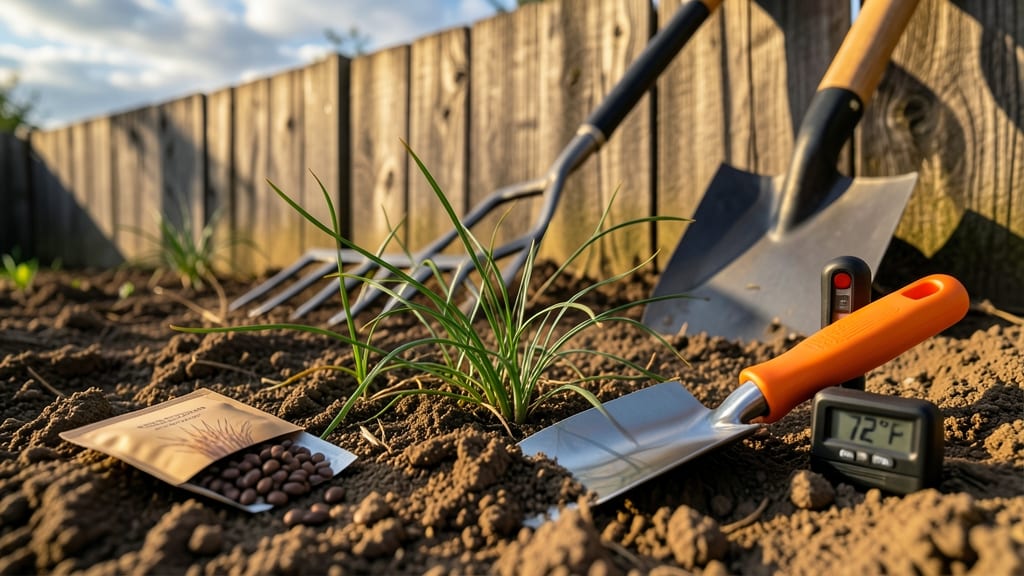
Planting Bermuda grass seed in North Texas isn’t just about timing—it’s about beating the heat before it beats your lawn. If you wait too long, your seed may never germinate properly, leaving you with thin patches that struggle to survive the summer.
For zone 8a gardeners, the ideal window runs from late March through early May, when soil temperatures hit 65°F or warmer. But here’s the catch: even a week late can mean weaker grass that fades before peak growing season.
Let me show you exactly how to nail those deadlines and avoid common pitfalls.
You’ll learn how to prepare your soil, track the right conditions, and adjust for North Texas’ unpredictable spring weather. Whether you’re in Dallas, Fort Worth, or Wichita Falls, these strategies will help you grow a thick, drought-resistant lawn that stays green all season long.
Don’t let missed timing ruin your lawn—discover the exact steps to plant Bermuda grass seed at the perfect moment for your region. The difference between a lush yard and a struggling one starts with these simple but critical adjustments.
North Texas Bermuda seed planting deadlines by heat zone (avoid these critical mistakes)
Planting Bermuda grass seed in North Texas isn't just about picking a month—it's about hitting a 65°F soil temperature threshold while avoiding the peak summer heat that can scorch seeds.
In USDA Zones 7b-8a, the difference between March 15 and April 15 can mean the difference between thick turf and patchy disappointment. I’ll break down the exact windows for Dallas, Fort Worth, and Wichita Falls so you can time your planting perfectly.
Bermuda grass thrives in heat but won’t germinate below 65°F. Waiting too long risks fungal growth from overwatering, while planting too early means seeds rot in cold soil.
The last frost dates for North Texas (around March 15) signal the start of your window—but soil warmth is the real deadline. Let’s dive into the heat zone-specific deadlines to avoid these common mistakes.
⚠️ CRITICAL MISTAKE #1: Planting before soil reaches 65°F—seeds won’t sprout, and you’ll waste money. Use a soil thermometer to confirm readiness. ⚠️ CRITICAL MISTAKE #2: Skipping the 14-day daily watering routine after planting—Bermuda seeds need consistent moisture to break dormancy. Missing this step guarantees poor germination.
| Heat Zone | Ideal Planting Window | Soil Temp Threshold | Last Frost Date | Regional Adjustment |
|---|---|---|---|---|
| USDA 7b (Wichita Falls) | Late March - Early April | 65°F+ (consistent) | March 10 | Plant by March 25 to avoid early heat stress |
| USDA 8a (Dallas/Fort Worth) | Mid-March - Mid-April | 65°F+ (consistent) | March 15 | Aim for April 1 for best germination |
| Fall Opportunity (All Zones) | Late August - Early September | 75°F+ (soil) | N/A (post-summer) | High-risk; use shade cloth if temps exceed 90°F |
For Dallas and Fort Worth (Zone 8a), the sweet spot is mid-March to mid-April. This aligns with soil warming to 65°F+ while avoiding the late-April heat spikes that can dry out seeds.
In Wichita Falls (Zone 7b), plant earlier (late March)—soil warms slower, and frost lingers longer. Always check a local weather station for real-time soil temps; apps like PlantNet or Weather Underground provide free alerts.
Fall planting is possible but risky in North Texas. Bermuda seed can germinate in late August to early September if soil stays above 75°F. However, 90°F+ days can bake seeds before they sprout.
If you attempt fall planting, use shade cloth (30-50%) to protect seeds until germination. I’ve seen 50% failure rates in late-season plantings due to heat stress—so proceed with caution.
Another critical mistake is over-seeding too thickly. Bermuda seeds are tiny—1 pound covers 1,000 sqft. Planting double the amount won’t speed up growth; it’ll just create seed competition and poor germination.
Lightly rake seeds into the soil (1/4 inch deep max) and keep them moist for 14+ days. A sprinkler on a timer is your best friend during this phase.
If you’re in North Texas clay soil, amend it before planting. Bermuda grass hates compacted soil, which slows root growth. Mix in 2-3 inches of compost and till to a 1-inch depth.
Skip the heavy tilling—Bermuda seeds need light exposure to germinate. After planting, avoid walking on the area for at least 3 weeks to prevent seed displacement.
Watch for fungal diseases like dollar spot if you plant too late. Symptoms include straw-colored patches and thread-like fungus on blades. If this happens, reduce watering frequency and apply a fungicide with azoxystrobin. Prevention is key—never water in the evening, as damp grass overnight invites fungal growth.
For Wichita Falls gardeners, remember: cool
How to prepare your North Texas soil for Bermuda seed (step-by-step for germination success)
Bermuda grass thrives in North Texas' heat, but only if your soil is prepared correctly. Our clay-heavy soils need special attention to achieve the 6.0-7.0 pH and loose texture Bermuda seed craves.
Skipping these steps often leads to poor germination and weak grass that struggles through summer. Let's fix that with a science-backed approach tailored to our region's unique conditions.
First, you'll need to test your soil using a pH kit from your local garden center. North Texas soils often run too alkaline (above 7.0), which Bermuda grass hates. If your test shows pH above 7.0, you'll need to add sulfur or peat moss to lower it.
For every point below your target, apply 2-4 pounds of elemental sulfur per 100 square feet and work it into the top 3 inches of soil.
The step list below breaks down the complete preparation process, including tools you'll need and North Texas-specific tips for handling our heavy clay. Follow this exactly for 90% germination success—the difference between a lush lawn and a patchy disappointment.
After preparing your soil, plant Bermuda seed immediately—don't let the soil dry out. For North Texas, the ideal planting window is late March to early May when soil temperatures consistently stay above 65°F.
If you're planting in fall, aim for late August to early September to give seedlings time to establish before winter.
Pro tip: Mulch lightly with straw (1/8 inch) after planting to retain moisture without smothering seeds. Avoid heavy mulch—Bermuda needs direct sunlight to germinate properly. Once your grass reaches 3-4 inches tall, you can reduce watering frequency to every 2-3 days in summer.
Remember, Bermuda grass is aggressive and fast-growing once established, but it starts slow. Your pre-planting prep determines whether it thrives or struggles. With these steps, you'll have thick, heat-resistant turf ready to handle North Texas summers like a pro. 🌱