
Planting
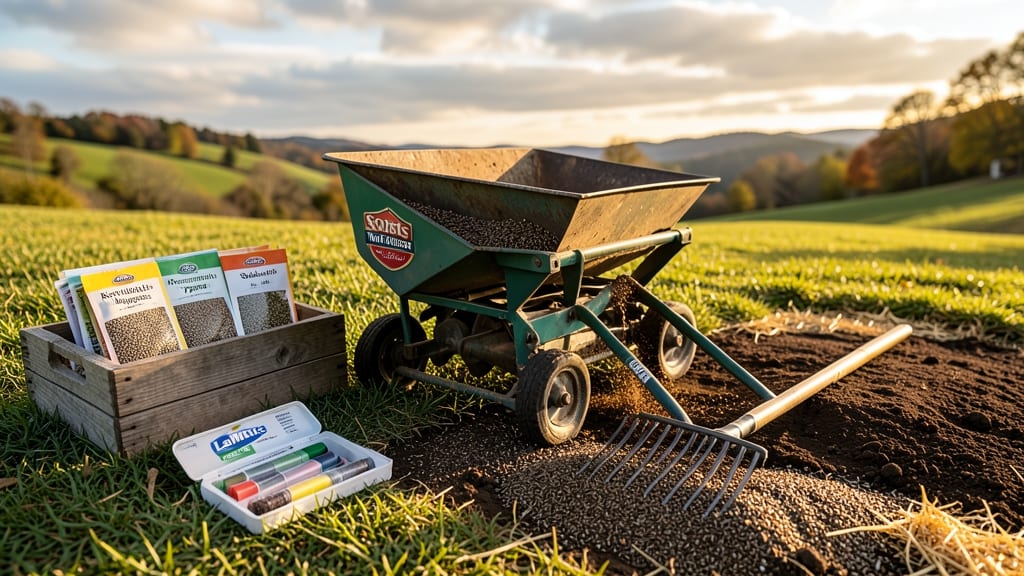
Planting your 🌱 Grass Seed (Turfgrass) at the wrong time in North Carolina can turn your dream lawn into a patchy, weak mess—especially when summer heat or winter frost hits.
The key to a lush, resilient lawn lies in timing, and getting it right means avoiding the 3-6 months of slow establishment that can leave your yard vulnerable.
North Carolina’s 6a-8b climate zones create distinct windows where grass thrives: early spring (March-April) and early fall (August-September) are your best bets. These months offer cooler soil temperatures—50–65°F—perfect for seed germination, while avoiding the extreme heat or cold that stress young grass.
But here’s the catch: not all grass types play by the same rules. Cool-season varieties like fescue and bluegrass need those spring and fall slots, while warm-season Bermuda grass demands summer planting.
I’ll break down exactly when to plant for your specific zone and grass type, so you can skip the guesswork and get fast, strong roots that last.
Ready to transform your lawn? Let’s dive into the best months for planting, soil prep tips, and how to outsmart North Carolina’s unpredictable weather—so your grass grows thick, green, and ready for anything.
Best months to plant grass seed in North Carolina by climate zone
North Carolina’s diverse climate zones—Coastal Plain, Piedmont, and Mountain regions—create wildly different conditions for grass seed germination. Planting at the wrong time can mean slow growth, weak roots, or even failure. The key? Understanding your zone’s soil temperature thresholds and optimal planting windows for fast establishment.
In the Coastal Plain, warmer winters and humid summers favor warm-season grasses like Bermuda, while the Piedmont and Mountains thrive with cool-season grasses like tall fescue.
Each zone has its own ideal planting months, typically early spring (March-April) or early fall (August-September), but timing shifts slightly based on elevation and microclimates.
| Climate Zone | Best Planting Months | Soil Temp Threshold (°F) | Grass Types | Key Considerations |
|---|---|---|---|---|
| Coastal Plain | March–April (spring) or August–September (fall) | 50–65°F (cool-season) / 65–75°F (warm-season) | Bermuda, Zoysia, Centipede (warm-season); Tall Fescue (cool-season) | Humidity speeds germination; avoid late summer heat stress. |
| Piedmont | February–March (spring) or September (fall) | 50–60°F (cool-season) / 60–70°F (warm-season) | Tall Fescue, Kentucky Bluegrass (cool-season); Bermuda (warm-season) | Moderate temps; watch for late frosts in spring. |
| Mountain (Western NC) | April–May (spring) or August (fall) | 45–55°F (cool-season) / 60–70°F (warm-season) | Fine Fescue, Ryegrass (cool-season); Limited warm-season options | Cooler soils; extend fall planting into early September. |
For Coastal Plain gardeners, the humid climate speeds germination, but late summer planting risks heat stress. Aim for March–April or August–September when soil temps sit between 50–65°F for cool-season grasses or 65–75°F for warm-season types.
Bermuda grass, a favorite here, needs consistent warmth—plant after the last frost date.
In the Piedmont, where temps moderate between coastal and mountain extremes, February–March or September are ideal. Tall fescue, a durable cool-season grass, thrives here but may struggle if planted too early when late frosts linger.
Test soil temps with a soil thermometer—wait until they hit 50°F for cool-season seeds.
The Mountain region’s cooler soils demand patience. April–May or August are your best bets, with fine fescue excelling in these conditions. Unlike lower elevations, warm-season grasses rarely succeed here—stick to cool-season varieties and extend fall planting into early September for a head start before winter.
Pro tip: Use a soil thermometer to confirm readiness. Warm-season grasses need 60°F+ soil, while cool-season types germinate best at 50–65°F. If temps dip below these thresholds, germination slows dramatically, leaving your lawn vulnerable to weeds and erosion.
Don’t overlook microclimates—shady spots or south-facing slopes may need adjustments. For example, shady Piedmont lawns can handle late summer planting (July–August) when soil stays cooler. Always water deeply after planting to encourage root growth before North Carolina’s intense summer heat arrives.
Timing isn’t just about the calendar—it’s about soil conditions and grass type. Cool-season grasses like fescue establish roots before winter, while warm-season Bermuda needs summer’s heat to thrive. Match your seed choice to your zone’s climate for a lush, low-maintenance lawn.
Remember: Spring planting gives grass a head start, but fall planting avoids summer heat stress. In North Carolina’s varied climate, local weather patterns matter more than hard dates. Check your USDA zone (6a–8b) and adjust planting by 1–2 weeks if needed.
How soil temperature and weather conditions affect grass seed germination in NC
North Carolina’s humid subtropical climate creates unique challenges for grass seed germination. If the soil temperature is too hot or too cold, your seeds may fail to sprout—or worse, rot before they even have a chance.
Even the right timing can backfire if rainfall patterns or humidity levels aren’t ideal. Understanding these factors ensures your new lawn gets the strong start it needs to outlast NC’s hot summers and mild winters.
Cool-season grasses like tall fescue and Kentucky bluegrass thrive when soil temps hover between 50–65°F, while warm-season varieties such as Bermuda and Zoysia need 65–75°F to germinate properly. But timing isn’t just about temperature—consistent moisture and moderate humidity are equally critical.
Too much rain can wash seeds away, while drought stress can leave your lawn patchy and weak.
⚠️ callout warning
If your soil temp is below 50°F or above 75°F, germination slows or fails. Check temps with a soil thermometer—NC’s Coastal Plain heats up faster than the Mountains. Signs of bad timing: seeds sprouting unevenly, mold growth, or seedlings wilting within days.
Adjust now: Wait until spring (March–April) for cool-season grasses or late summer (August–September) for warm-season types. Use mulch to stabilize soil temps if planting early.
One of the biggest mistakes I see in NC gardens is planting warm-season grass too early in spring. While the air might feel warm, the soil stays cold until late April or May, especially in the Piedmont region.
Seeds left in cold soil for too long risk fungal diseases like Pythium, which thrives in damp, cool conditions. Similarly, planting cool-season grass in late summer means seedlings face heat stress and drought as NC’s temperatures climb toward 90°F+.
Rainfall is another wildcard. NC averages 40–50 inches of rain annually, but timing matters. Heavy downpours right after planting can bury seeds too deep, while drought conditions (common in summer) can dry them out.
Aim for 1–1.5 inches of water per week—either from rain or irrigation—during germination. A rain gauge helps track moisture levels, especially in drought-prone areas like the Sandhills region.
To prepare your lawn, start by testing your soil pH (ideal range: 6.0–7.0 for most grasses). Amend with compost or lime if needed, then rake the soil to a fine, crumbly texture.
This ensures seeds make direct contact with moisture and nutrients. Avoid tilling too deeply—just 1–2 inches is enough to loosen compacted soil without disturbing roots of existing plants.
Once planted, monitor your lawn closely. Germination typically takes 7–21 days, depending on the grass type and weather. If you notice yellowing seedlings or slow growth, check for overwatering (root rot) or underwatering (drought stress).
Adjust your watering schedule immediately—early morning is best to reduce evaporation and fungal risks. With the right conditions, your NC lawn will establish a deep, resilient root system in just 3–6 months, ready to handle the state’s humid heat and freezing winters.