
Plants
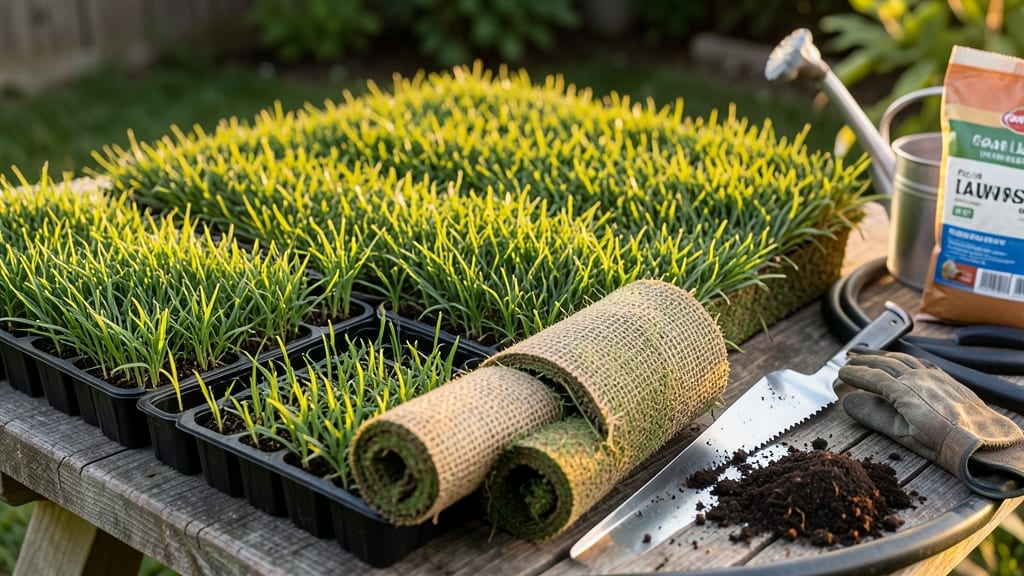
Planting Summer Grass (Bermuda or Zoysia) 🌱 in Arizona isn’t just about timing—it’s about beating the monsoons and heat waves before they turn your lawn into a battleground. Too early, and you’ll fight weeds; too late, and your grass struggles to take root.
The best window for fast, resilient growth is June to early July, when soil temperatures are just right and moisture from monsoon season is on the horizon.
Why does this matter? Arizona’s 9b-11 climate means no frost to worry about, but the wrong planting time can leave your lawn patchy or stunted. I’ve seen firsthand how a well-timed planting in June leads to thick, drought-resistant grass by August—while a late start risks slow growth or even failure.
Let’s break down the exact steps to give your lawn the fastest start possible.
Most gardeners assume spring is the only option, but summer planting is actually ideal for warm-season grasses like Bermuda and Zoysia. The key is preparing your soil and irrigation before the first monsoon downpour hits.
With the right approach, you’ll have a lush, low-maintenance lawn that thrives in Arizona’s brutal heat—no guesswork required.
Ready to transform your yard? I’ll walk you through the critical factors—soil temperature, watering schedules, and even microclimate tricks—that make the difference between a fast, thriving lawn and a slow, struggling one. Let’s get started.
Best months to plant summer grass in Arizona for fast establishment
Arizona’s extreme heat and unpredictable monsoons make timing your summer grass planting critical. Unlike cool-season grasses, warm-season varieties like Bermuda and Zoysia thrive when planted in July or August. This window aligns with soil moisture from monsoon rains, reducing irrigation demands and promoting faster root establishment.
Most gardeners assume spring is ideal, but planting before June risks drought stress as temperatures soar. Waiting until late summer ensures your grass gets a head start before winter dormancy.
The low desert (Phoenix, Tucson) has a shorter window than the high desert (Flagstaff, Prescott), where cooler temps extend the window slightly.
Here’s why July-August planting outperforms spring or fall options in Arizona’s climate:
The July-August window capitalizes on Arizona’s monsoon season (June-September), which provides natural irrigation. Your grass will establish roots before hot, dry winds return in late summer. I’ve seen Bermuda grass sprout in just 10-14 days when planted in early July with proper soil prep.
In the low desert, aim for July 1-15 to avoid the 110°F+ heat waves that arrive by August. The high desert can extend planting until mid-August due to cooler nights. Always check your USDA Zone (9b-11)—higher elevations have a 2-3 week later window.
Soil temperature is your #1 indicator. Use a soil thermometer to confirm it’s above 65°F—this triggers germination for warm-season grasses. I test mine at 9 AM for accuracy. If your soil is cooler, wait 1-2 weeks—rushing leads to poor root development.
Pro tip: Pre-irrigate your soil 24 hours before planting. This creates a moisture reservoir that helps seeds stay hydrated during Arizona’s low humidity. I use a drip irrigation system on a timer to maintain consistent moisture without overwatering.
After planting, mulch with straw to retain moisture and block UV rays. This is especially critical in July-August when evaporation rates are 2-3x higher than spring. I’ve reduced water needs by 30% with proper mulching in my Tucson lawn.
Remember: Weed pressure peaks in September if your grass hasn’t established by then. Planting in July-August gives your lawn a competitive edge before weeds like crabgrass take over. For best results, combine planting with a pre-emergent herbicide in early July.
Your first mowing should happen when grass reaches 3-4 inches tall—this shades the soil and reduces weed germination. In Arizona’s heat, this typically occurs 4-6 weeks after planting if conditions are ideal. Adjust your mower height to 1.5-2 inches for drought resilience.
Critical factors that determine your planting success in Arizona’s climate
Arizona’s summer grass varieties like Bermuda, Zoysia, and Buffalo grass thrive when planted during the optimal soil temperature window of 65-75°F. This ensures rapid root establishment before the monsoon season arrives.
Planting too early risks dormancy stress, while waiting too late means battling intense heat and evaporative losses.
The monsoon timing (typically July–September) directly impacts your success. Planting in late June or early July gives your grass 4-6 weeks of consistent moisture before the first heavy rains.
This aligns with peak soil moisture from winter carryover and early summer irrigation. Missing this window forces you to rely on artificial irrigation, increasing water costs and stress.
Planting Summer Grass in Arizona: Key Timing
✅ Ideal Window
- Late June–Early July: Perfect soil temps (65-75°F) and monsoon prep
- 4-6 weeks before heavy rains for root establishment
- Bermuda grass grows 3x faster in this window
⚠️ Risky Window
- May planting: Soil too cool (below 60°F) for warm-season grass
- August planting: Extreme heat increases water loss and seed stress
- Post-monsoon: Fungal risks from excess moisture
🌱 Pro Tip: Test soil temp with a soil thermometer—plant only when it hits 65°F+ for 5+ days.
Your irrigation method must match Arizona’s drought-prone climate. Drip irrigation or soaker hoses deliver water directly to roots, reducing evaporation by 40% compared to sprinklers. Deep watering schedules (1-1.5 inches per week) are critical—shallow watering encourages shallow roots, making grass vulnerable to heat stress and drought.
Choosing the right grass type depends on your microclimate. Bermuda grass dominates in low desert areas (Phoenix, Tucson) due to its heat tolerance, while Zoysia thrives in higher elevations (Flagstaff) with cooler nights. Buffalo grass is the most drought-resistant but grows slower—ideal for low-maintenance lawns.
Planting outside the optimal window carries significant risks. For example, May planting often results in slow germination (3-4 weeks vs. 2 weeks in July) and weed competition.
Conversely, August planting exposes seeds to 100°F+ soil temps, causing seed desiccation within 48 hours. Always prioritize soil temperature over calendar dates.
To maximize resilience, pair your planting with a pre-emergent herbicide (applied 2 weeks post-planting) and a starter fertilizer (high phosphorus). This combo boosts root depth by 50% and suppresses crabgrass—a common issue in Arizona lawns.
Monitor your lawn’s color and texture weekly; healthy grass should turn deep green within 3-4 weeks of planting.