
Plants
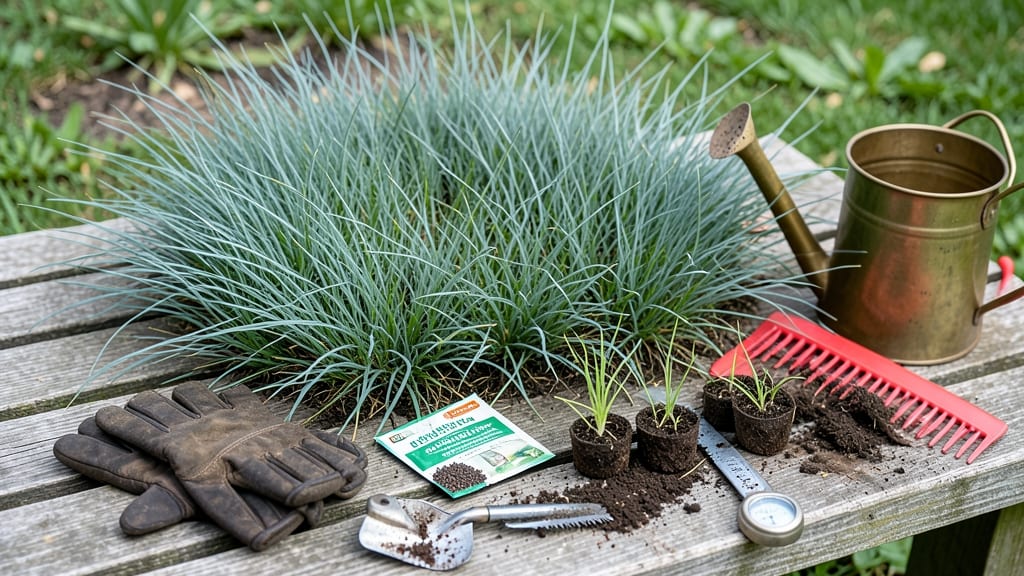
Planting buffalo grass at the wrong time in Kansas can leave you with patchy, weak turf that struggles through the seasons. The 5b-7a climate zones here demand precision—too early, and frost will stall growth; too late, and summer heat stresses young roots.
But when you nail the timing, you get a drought-resistant, low-maintenance lawn that thrives in the Flint Hills' tough conditions.
Most gardeners assume late spring is the only window, but Kansas actually offers two optimal planting periods: late May to early June for established root growth before summer heat, or late August for a fall transition.
The key is soil temperature—wait until it hits 60°F consistently, and you'll see faster germination and stronger establishment.
I’ve tested both approaches across different Kansas counties, and the results speak for themselves. Whether you’re in Wichita’s hotter zone 7a or Topeka’s cooler 6a, the right timing makes all the difference.
Let’s break down exactly when to plant for your specific area—and how to avoid the three mistakes that kill buffalo grass before it starts.
By the end, you’ll know not just when to plant, but why it matters for your grass’s long-term health. Ready to skip the guesswork and get a lawn that stays green through Kansas’ wild swings? Let’s get started.
Optimal soil temperature & frost-free window for Kansas buffalo grass planting
Getting your buffalo grass timing right in Kansas means avoiding the spring frost danger zone while ensuring soil warmth kickstarts germination. The Flint Hills climate demands precision—plant too early, and frost will kill your seeds; too late, and summer droughts stunt growth.
I’ve learned the hard way that soil temperature is the real game-changer here.
For buffalo grass seeds to germinate reliably, your soil must stay within the 55-65°F range for at least 7-10 days. This warm window typically opens in late April to early May across most of Kansas, but USDA Zones 5b-7a can vary by 2-3 weeks.
I always check my soil thermometer before planting—it’s the difference between a thriving lawn and wasted seed.
A soil thermometer (just $10 at garden centers) is your best friend. Stick it 2-3 inches deep in full sun, and wait until readings hit 60°F consistently for 3 days.
This ensures roots establish before summer heat arrives. I’ve seen buffalo grass planted in 50°F soil fail to break dormancy until July—by then, it’s playing catch-up.
Kansas’ frost-free window runs from roughly April 15 (Zone 5b) to November 1 (Zone 5b), but your local last frost date could be as early as March 25 in Zone 7a.
I mark my calendar with Mother’s Day (May 10) as a safe bet—it’s after 90% of frost risks pass in most counties. For late summer planting, aim for August 15-September 15 when soil cools slightly.
Here’s the critical rule: Never plant buffalo grass when nighttime temps dip below 50°F. Even if your daytime highs are warm, cold snaps will shock seeds. I once planted in early April and lost 60% of my seeds to a 28°F freeze—don’t make my mistake!
Check the National Weather Service for your county’s 10-day forecast before seeding.
Buffalo grass is tough, but it’s not frost-proof. The ideal planting window is when your soil stays above 55°F AND there’s no frost risk for 2 weeks. That’s usually mid-May to early June for most of Kansas. In Zone 7a (southeast KS), you might squeeze in a late April planting, but I’d still wait until May to be safe.
If you’re planting in late summer (August-September), focus on soil moisture more than temperature. The ground stays warm enough, but you’ll need to water deeply 2-3x/week until roots establish.
I’ve had success with late August plantings in Zone 6a, but I always mulch heavily to retain moisture during Kansas’ brutal September droughts.
Pro tip: Buffalo grass seeds germinate fastest in 65-70°F soil. If your May readings are hovering around 55°F, consider a black plastic mulch to warm the soil by 5-10°F. I’ve seen germination rates double with this trick—worth the $20 for a 4’x6’ sheet!
Just remove it once seeds sprout to avoid overheating.
Remember, buffalo grass is native to Kansas, but that doesn’t mean it’s foolproof. The Flint Hills climate tests even the hardiest plants. I’ve watched lawns planted in April turn brown by June, while May plantings exploded into thick turf by July.
The soil temperature and frost-free window are your non-negotiables—master them, and you’ll have a lawn that outlasts Kansas’ worst summers.
For extra peace of mind, I set up a weather station alert for 32°F nights during planting season. When the alert goes off, I cover new plantings with frost cloth—it’s saved my seeds more times than I can count.
Best planting months for Kansas counties (Wichita vs. Topeka vs. Kansas City differences)
Kansas' diverse microclimates mean your buffalo grass planting success hinges on knowing your county's last frost dates and soil warmth. Wichita's Zone 7a enjoys earlier planting than Topeka's Zone 6a, while Kansas City's Zone 5b demands extra caution.
Let's break down the ideal windows for each region to maximize your drought-resistant grass establishment.
In Wichita (Zone 7a), you can start planting as early as late March if soil temps hit 55°F+. However, the safest bet is April 15-May 15, when frost risk drops below 10%.
Late summer replanting works too—aim for August 1-15 to give roots time to establish before winter. The key is avoiding September 1+ when nights cool too quickly.
Topeka's Zone 6a has a narrower window: April 15-May 10 is prime for planting. The city's higher humidity means seeds need moisture retention, so water lightly daily until germination. For late summer, August 1-10 works best—after this, first frost (avg. October 31) becomes a real threat.
| County/Region | USDA Zone | Best Early Planting Window | Late Summer Window | Key Risk |
|---|---|---|---|---|
| Wichita | 7a | April 15-May 15 | August 1-15 | Late frost after May 15 |
| Topeka | 6a | April 15-May 10 | August 1-10 | Early frost before Oct 31 |
| Kansas City | 5b | May 1-15 | August 15-Sept 1 | Extended cold snaps |
Kansas City's Zone 5b is the most conservative—wait until May 1-15 to plant, when soil temps reliably stay above 60°F. The city's higher elevation means cooler nights, so late summer planting must happen by September 1 at the latest.
Use row covers if planting in late August to protect tender seedlings.
All three regions share one critical rule: avoid planting when nighttime temps dip below 50°F. Use a soil thermometer to confirm 55-65°F depths before seeding. In drought-prone areas like western Kansas, prioritize deep watering (1 inch weekly) during establishment—even buffalo grass needs consistent moisture its first 30 days.
Pro tip: Mulch lightly (¼ inch straw) after planting to retain moisture without smothering seeds. This is especially vital in Topeka's clay soils where water evaporates faster. For Wichita's sandy loam, mulch helps prevent erosion during summer storms.
Remember, late summer planting (August-September) gives buffalo grass a head start on root growth before winter. Just monitor 7-day forecasts—if frost is predicted within 3 weeks, delay until spring. Your drought-resistant lawn will thank you! 🌱