
Plants
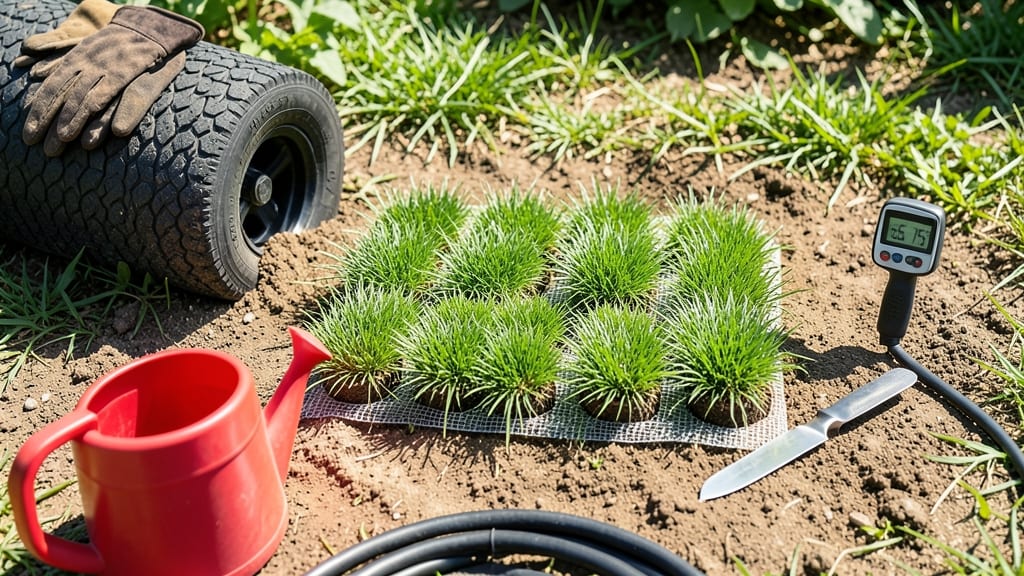
Timing your Bermuda grass 🌱 planting in Texas can make the difference between a vibrant lawn and months of frustration—because planting too early or late means slower growth, weaker roots, and wasted resources.
If you've ever stared at your calendar wondering, "Should I plant now or wait?", you're not alone. The key to a fast establishment lies in understanding your region's soil temperature and rainfall patterns, which vary dramatically from North to South Texas.
In this guide, I'll break down the best months to plant Bermuda grass in every Texas climate zone, plus the exact soil prep steps to ensure your lawn takes off within weeks—not months.
Whether you're seeding or laying sod, these science-backed tips will help you avoid common mistakes and get a drought-resistant lawn that stays green year-round.
Best planting months for Bermuda grass in Texas by region (North vs. central vs. south)
Texas’ diverse climate zones mean your Bermuda grass planting timeline should match your region—not just the calendar. In North Texas, cooler springs delay germination, while South Texas’s early warmth lets you start months earlier.
The key? Soil temperature must hit 65°F (18°C) for seeds to sprout reliably. Miss this window, and you risk slow growth or even failure.
Central Texas sits in the middle, offering a 3-month window that balances rainfall patterns and heat spikes. Meanwhile, South Texas gardeners can plant as early as February, but must watch for unpredictable spring rains that can wash seeds away.
Let’s break down the exact months—and why they matter—for each region.
Pro Tip: Use a soil thermometer to confirm 65°F+ before planting. If your soil is cooler, wait 1–2 weeks for faster germination. Patience here saves you from replanting later.
In North Texas, aim for late April to early June when daytime highs consistently stay above 80°F (27°C). This region’s cooler springs can delay germination if you plant too soon, but by June, Bermuda grass will spread aggressively thanks to longer daylight hours.
Think of it as a race against summer—plant early enough to establish roots, but not so early that unpredictable April rains drown your seeds.
For Central Texas, the March–May window aligns with rising soil temperatures and increasing rainfall. However, May brings flash flood risks, so consider sod over seeds if you’re planting in late spring.
The trade-off? Sod establishes faster but costs more upfront. Weigh your budget vs. risk—I’ve seen both methods work, but sod wins in high-rain years.
South Texas offers the earliest start, but don’t rush—February can still bring chilly nights. Monitor your soil temperature daily (a $15 thermometer is worth it). Once you hit 65°F, germination happens in 7–14 days. Pro tip: Use a shade cloth if daytime temps exceed 95°F (35°C)—your young grass will thank you.
Regardless of region, avoid planting in summer. The intense heat and drought stress will shock your grass, leading to brown patches or even death. If you miss your region’s ideal window, wait until fall—but be ready to overseed in September for a green lawn by November.
One final tip: Test your soil’s pH before planting. Bermuda grass thrives in 6.0–7.5, and Texas soils often lean alkaline. A $20 soil test kit from your local extension office can save you from poor growth due to nutrient lockout.
Adjust with sulfur if needed—it’s a small step for a big payoff.
How to prepare your Texas soil for Bermuda grass success (pre-planting checklist)
Before planting Bermuda grass in Texas, proper soil preparation is your secret weapon for fast germination and deep roots. Texas soils often lack the organic matter and proper pH balance needed for this heat-loving grass to thrive.
Skipping these steps can lead to slow establishment or patchy growth—so let’s get your soil ready for success.
Start by testing your soil pH—Bermuda grass thrives in a 6.0 to 7.5 range.
Texas clay soils often run acidic, so you may need to add lime to adjust the pH. A simple soil test kit (available at garden centers) will give you the exact numbers you need to make adjustments before planting.
Next, focus on tilling depth. Bermuda grass needs loose, aerated soil to spread its rhizomes and roots. Till your soil 4 to 6 inches deep to break up compacted layers.
This step is especially critical in urban areas where heavy foot traffic or machinery has compressed the soil over time.
- 🔧 Step 1: Soil Testing – Check pH (6.0–7.5) and organic matter levels using a kit or lab test.
- 🌱 Step 2: Amend Soil – Add compost (2–3 inches) or aged manure for organic matter. Mix well into top 6 inches of soil.
- ✂️ Step 3: Till Properly – Use a rototiller or broadfork to loosen soil 4–6 inches deep. Avoid over-tilling, which can damage soil structure.
- 💧 Step 4: Irrigation Prep – Install drip irrigation or soaker hoses to deliver 1–1.5 inches of water weekly during establishment.
- 🌡️ Step 5: Wait for Warm Soil – Plant only when soil temps reach 65°F (18°C)—use a soil thermometer to confirm.
For organic matter, mix in 2–3 inches of compost or well-rotted manure into the top 6 inches of soil. This improves water retention and provides essential nutrients for root development.
If your soil is sandy, add a bit of peat moss to help it hold moisture longer during Texas’s hot summers.
Don’t overlook irrigation setup. Bermuda grass needs consistent moisture during its first 4–6 weeks of growth. Install a drip irrigation system or soaker hoses to deliver water directly to the roots. Avoid overhead sprinklers, which can waste water and promote fungal diseases in humid Texas conditions.
Finally, wait for the right soil temperature. Bermuda grass seeds won’t germinate well in cool soil. Use a soil thermometer to confirm temps are at least 65°F (18°C) before planting.
In North Texas, this usually aligns with late April to early June, while South Texas gardeners can start as early as February.
With these steps, your Bermuda grass will establish quickly and resist Texas’s heat and drought like a pro. Happy planting! 🌱