
Plants
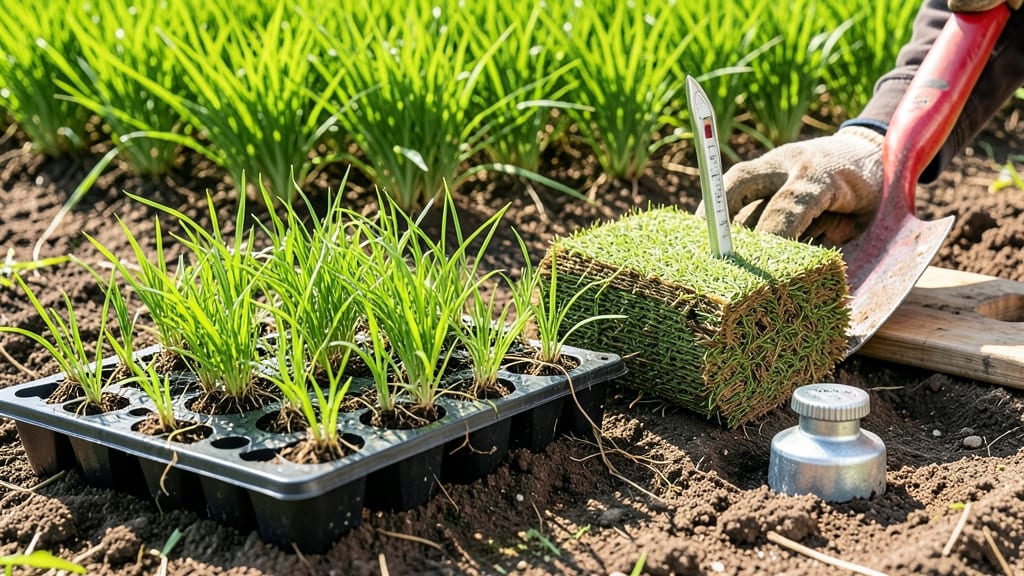
Planting Bermuda grass at the wrong time in Virginia can leave you with patchy, slow-growing turf that never quite lives up to its potential. The key to a fast, thick lawn lies in waiting for that perfect temperature trigger—when the soil warms enough to kickstart vigorous growth.
If you're eager to get started, timing matters more than you might think. In Virginia's 6a-8a zones, late spring to early summer is your best window, but there's a science to it.
We'll break down exactly when to plant—whether you're using sod, seed, or plugs—and how to tell when your yard is truly ready for Bermuda grass 🌱.
Many gardeners make the mistake of planting too early, only to watch their investment struggle in cooler soil. I'll show you how to check soil temperatures and recognize the signs that your lawn is primed for Bermuda grass to spread quickly and stay resilient through Virginia's heat.
From coastal areas to inland regions, we'll cover the variations that affect your planting schedule. By the end, you'll know exactly when to plant for a lawn that's not just green, but fast-growing and hardy all season long.
Optimal planting windows in Virginia: soil temperature triggers for Bermuda grass
Timing your Bermuda grass planting in Virginia hinges on two critical factors: soil temperature and air temperature.
Unlike cool-season grasses, Bermuda thrives in warmth, so planting too early can stunt growth while waiting too long risks missing the ideal window. Northern Virginia (USDA zones 6a-7a) and Southern Virginia (zones 7b-8a) have slightly different triggers due to microclimates, but the core principle remains: plant when soil reaches 65°F (18°C).
Bermuda grass is a warm-season grass, meaning it germinates best when daytime temperatures consistently stay above 75°F (24°C). In Virginia, this typically aligns with late April to early June, but exact timing varies by region.
For example, Richmond and Norfolk often see ideal conditions by mid-April, while Roanoke or Blacksburg may wait until early May. Always monitor soil temperature—not just air temperature—to avoid planting too soon.
One common mistake is planting Bermuda grass in early spring (March). While air temperatures might feel mild, soil stays cold until late April or May in most of Virginia. Cold soil slows germination and weakens roots, leading to patchy lawns.
Use a soil thermometer (available for $10-$15) to confirm readiness—plant only when readings hit 65°F (18°C) for 5+ days.
For Southern Virginia (e.g., Norfolk, Virginia Beach), the window opens earlier—often by mid-April—due to coastal influences that warm soil faster. In contrast, Northern Virginia (e.g., Arlington, Winchester) may not see ideal conditions until early to mid-May.
Elevation also plays a role: Higher areas like Mountain Empire (e.g., Abingdon) can delay planting by 1-2 weeks compared to lower elevations.
Here’s how to test your soil’s readiness: Bury a soil thermometer 2-3 inches deep in a shady spot (soil heats up faster in sunlight). Check readings for 3 consecutive days—if all three days show 65°F (18°C) or warmer, it’s time to plant.
Pro tip: Test in the late afternoon when soil is warmest, as morning readings can be misleadingly low.
If you miss the primary planting window (late April–early June), don’t despair—Bermuda grass can still be planted in late summer (August), though growth will slow as temperatures drop.
Late summer plantings are riskier in Northern Virginia due to shorter growing seasons, but Southern Virginia often has enough warmth for successful establishment.
Another key trigger is air temperature consistency. Bermuda grass needs stable warmth—planting during a cold snap (even if soil is warm) can shock seedlings. Check your local National Weather Service forecast for 7-day highs above 75°F (24°C) before planting.
In Virginia, this typically aligns with the last frost date (around April 15 in the south to May 15 in the north), but don’t rely solely on frost dates—soil temperature is the true decider.
For sod installation, the window is slightly wider—plant when soil is 60°F (15°C) or warmer—but seeds require the 65°F (18°C) threshold for optimal germination. Sod can establish faster in cooler soil, but seeds will struggle.
If you’re overseeding an existing lawn, aim for late spring to early summer to coincide with Bermuda’s natural growth surge.
Regional variations matter: Coastal Virginia (e.g., Hampton Roads) may see 2-3 weeks earlier planting than inland areas like Charlottesville or Lynchburg. Urban heat islands (e.g., Richmond’s downtown) can also warm soil faster, allowing earlier plantings.
Use a local gardening extension service (like Virginia Cooperative Extension) for hyper-local advice tailored to your county.
Once you’ve nailed the timing, Bermuda grass can spread aggressively—up to 6 inches per month in ideal conditions. But rushing the planting window risks slow establishment, weed competition, and a lawn that struggles to recover from Virginia’s hot summers.
Patience pays off: A properly timed planting leads to a dense, drought-resistant lawn that outcompetes weeds naturally.
| Factor | Northern Virginia (Zones 6a-7a) | Southern Virginia (Zones 7b-8a) | Testing Method |
|---|---|---|---|
| Ideal Planting Window | Early to mid-May | Mid-April to early May | Soil thermometer (65°F+) |
| Soil Temperature Trigger | 65°F (18°C) for 5+ days | 65°F (18°C) for 5+ days | 2-3" depth, late afternoon |
| Air Temperature Consistency | 75°F+ (24°C+) for 7+ days | 70°F+ (21°C+) for 7+ days | National Weather Service |
| Last Frost Date | Mid-May (varies by elevation) | Early April (coastal areas) | Almanac or local records |
Late Summer Backup
How to prepare your Virginia lawn for Bermuda grass planting: soil, sun, and seedbed essentialsPreparing your Virginia lawn for Bermuda grass planting starts with understanding its aggressive growth habits and sunlight requirements. Unlike cool-season grasses, Bermuda thrives in full sun and warm soil, making proper prep critical for a thick, green lawn. I’ll walk you through the essential steps—from testing your soil to creating the perfect seedbed—to ensure your Bermuda grass takes root quickly and spreads evenly. First, assess your lawn’s sunlight exposure. Bermuda grass demands at least 6 hours of direct sunlight daily, with 8+ hours for optimal growth. If your yard has shaded areas, consider partial planting or choose a different grass variety. Next, test your soil’s pH level—Bermuda prefers a slightly acidic to neutral range (6.0-7.0). Virginia’s clay-heavy soils often need amendments like lime or sulfur to adjust pH before planting.
⚠️ Planting Too Early in Virginia
Mistake: Planting Bermuda grass before soil warms to 65°F (18°C)—common in early spring (March-April)—can stunt growth or kill seedlings. Virginia’s Northern regions (USDA Zone 6a) may need to wait until late May, while Southern Virginia (Zone 7b-8a) can start as early as mid-April. Always check soil temperature with a soil thermometer to avoid this costly error. Before planting, remove existing vegetation using a non-selective herbicide (like glyphosate) or till the soil to 6-8 inches deep. This step is crucial for breaking up compacted soil and eliminating weeds that compete with Bermuda grass. After clearing, rake the area to create a fine, level seedbed. Bermuda grass seeds are tiny, so a smooth surface ensures even contact with the soil for consistent germination. Adjust your soil’s nutrient levels with a balanced fertilizer (e.g., 10-10-10) before planting. Bermuda grass is a heavy feeder, so adding compost or aged manure improves soil structure and provides organic matter. For sandy soils common in Virginia’s coastal plains, mix in peat moss to retain moisture, while clay soils benefit from gypsum to improve drainage. Finally, water your prepared seedbed deeply 24 hours before planting to settle the soil. Bermuda grass seeds need consistent moisture to germinate, so plan to water lightly twice daily (morning and evening) for the first 2-3 weeks. Avoid overhead sprinklers, which can wash away seeds—use a gentle misting system or soaker hose instead. Once seedlings reach 2-3 inches tall, gradually reduce watering to encourage deep root growth. With the right soil prep, sunlight, and seedbed, your Bermuda grass will establish quickly and fill in bare spots within 4-6 weeks. Avoid common pitfalls like overwatering or skipping soil tests, and your lawn will be the envy of your Virginia neighborhood! 🌱 |