
Plants
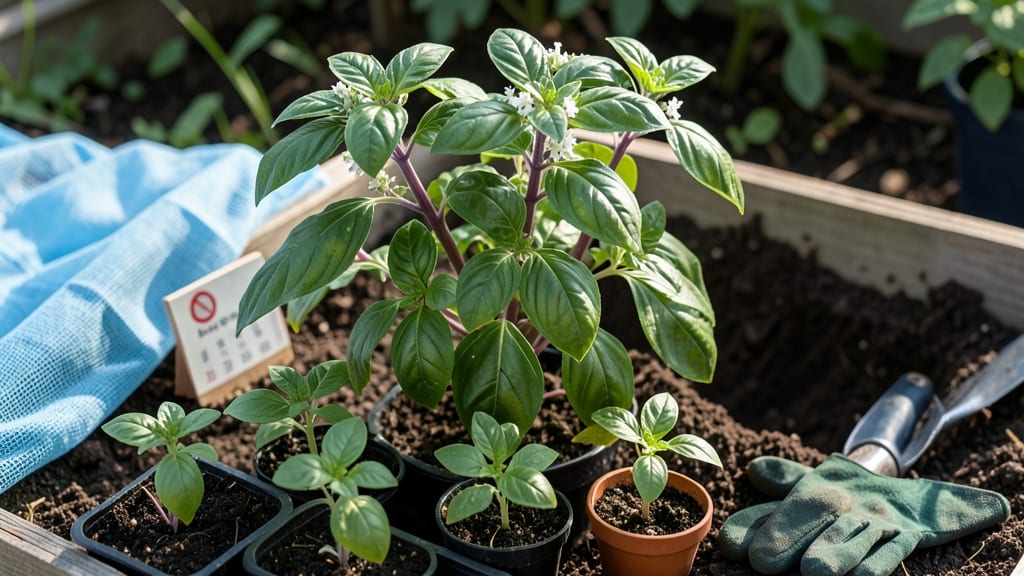
Timing your basil planting in Oregon wrong can mean bitter leaves or plants that bolt before you even get to harvest—especially when coastal fog clashes with inland heat. The mid-April to early June window isn’t just a suggestion; it’s the difference between flavorful 🌿 harvests and disappointment.
Oregon’s microclimates—from the Willamette Valley’s damp springs to Eastern Oregon’s dry heat—demand precision. Plant too early, and frost will nip your seedlings. Too late, and your basil will race toward flowering before you can enjoy its signature aroma.
I’ll break down the exact frost-free dates for your region and how to adjust for containers or in-ground planting.
You’ll also discover how to stretch your growing season with simple tricks like shade cloth and succession planting—because even Oregon gardeners crave fresh basil from June through September. Let’s make sure your plants thrive, not just survive.
Whether you’re a first-time gardener or a seasoned green thumb, these insights will help you avoid the most common mistakes. Ready to grow basil that tastes like summer, no matter where you live in Oregon?
Oregon’s basil planting zones: coastal vs. valley vs. high desert timelines
Oregon’s three distinct climates—coastal, valley, and high desert—create wildly different conditions for growing basil. In coastal areas, persistent fog delays planting until late spring, while valley regions like the Willamette Valley offer earlier windows.
Meanwhile, high desert zones face intense summer heat that can cause basil to bolt prematurely. Getting your timing right means the difference between flavorful harvests and bitter, woody leaves.
Basil thrives as a warm-season annual, needing soil temperatures above 55°F (13°C) and 6+ hours of sunlight daily. However, Oregon’s microclimates shift these requirements dramatically.
For example, Portland’s urban heat islands can be 5-10°F warmer than rural areas just 20 miles away, creating localized planting zones even within the same city. Understanding these variations ensures your basil plants grow strong and productive.
Key factors to consider include:
- Last frost dates: Coastal areas average May 15, while high desert zones see frost until June 1
- Heat tolerance: Basil bolts when temps exceed 85°F (29°C) for extended periods
- Container vs. in-ground: Potted basil warms up faster and can be planted 2-3 weeks earlier than in-ground plants
May 15 (containers)
April 15 (containers)
May 10 (containers)
In coastal Oregon, where marine layer fog lingers until midday, basil should wait until after June 1 for in-ground planting. The cooler temperatures and high humidity create ideal conditions for Thai basil varieties, which tolerate cooler climates better than Genovese.
Start seeds indoors by April 15 for transplants ready by your target date. Urban coastal gardeners in Portland’s West Hills can plant 1-2 weeks earlier due to the heat island effect.
For valley regions like the Willamette Valley, the earliest safe planting window opens around April 25, but soil temperatures must reach 55°F (13°C). Use a soil thermometer to confirm—cold soil stunts growth.
In rural valley areas, where nights stay cooler, basil may need row covers during heatwaves to prevent bolting. Container gardeners can push planting back to April 15 since pots warm up faster.
The high desert presents unique challenges: intense daytime heat followed by cool nights. Basil planted before May 25 risks frost damage, while planting after June 10 may see plants bolt by July 4th.
Choose heat-tolerant varieties like Sweet Basil ‘Spicy Globe’ and provide afternoon shade with 30% shade cloth. Drip irrigation at dusk keeps roots cool and reduces evaporation.
Microclimates within cities add another layer of complexity. For example, Portland’s Pearl District (urban heat island) can be 10°F warmer than nearby Forest Park. Adjust planting dates accordingly: urban areas may support 2-3 weeks earlier planting.
Always monitor local weather forecasts for unpredictable frost events, especially in elevated garden beds which cool faster.
Fall planting is possible in valley and coastal zones
How to extend basil’s growing season in Oregon: cold frames, row covers & succession planting
Oregon’s unpredictable spring rains and cool coastal winds can turn basil from a thriving herb to a struggling survivor. But with the right season extension strategies, you can enjoy fresh basil from early May through October.
The key lies in combining protective structures with smart planting schedules tailored to Oregon’s microclimates.
Basil thrives when soil temperatures stay above 55°F (13°C), but Oregon’s last frost dates vary wildly—April 10 in Portland to May 10 in Eastern Oregon. By using cold frames, row covers, and staggered plantings, you can push basil’s growing window by 4-6 weeks on either end.
Let’s break down the most effective methods for your garden.
🌱 Basil’s Extended Growing Season Checklist for Oregon
- ✅ Start indoors 6-8 weeks before last frost (use grow lights for 14+ hours/day)
- ✅ Hardening off seedlings 7-10 days before transplanting (acclimate to wind/rain)
- ✅ Use row covers (floating fabric) for early spring protection from chilly nights
- ✅ Install cold frames for fall plantings (extend harvest until first frost)
- ✅ Plant succession crops every 2-3 weeks (May-July) for continuous harvests
- ✅ Mulch heavily with straw or grass clippings to regulate soil temperature
- ✅ Monitor heat stress—use 30% shade cloth if temps exceed 85°F (29°C)
"A little planning now means basil on your plate for months!"
For coastal Oregon gardens, focus on row covers and cold frames—these areas often experience delayed warming and persistent fog. In the Willamette Valley, prioritize succession planting to replace bolting plants quickly. Meanwhile, high-desert regions can benefit from shade cloth during summer heatwaves that trigger bolting.
My go-to method is combining cold frames with staggered plantings. I start my first batch indoors in mid-March, transplant outdoors in late April, and then add new seedlings every 3 weeks until early July.
This ensures I always have fresh basil while older plants bolt. The cold frame becomes my fall savior—I plant a final batch in early September and harvest until mid-October.
Don’t overlook container growing—potted basil can be moved indoors before frost or placed under greenhouse lights for winter harvests. Just ensure pots have drainage holes and use lightweight soil to prevent root rot.
For in-ground plantings, mulching with straw keeps roots warm and conserves moisture during Oregon’s unpredictable spring rains.
Protecting basil from Oregon’s chilly nights and heat spikes is all about balance. Use row covers at night and remove them during the day for sun exposure. For fall plantings, a mini greenhouse or cold frame can add 5-10°F of warmth, keeping basil productive until frost.
With these strategies, you’ll enjoy homegrown basil for nearly half the year—no bitter bolting in sight! 🌿