
Size
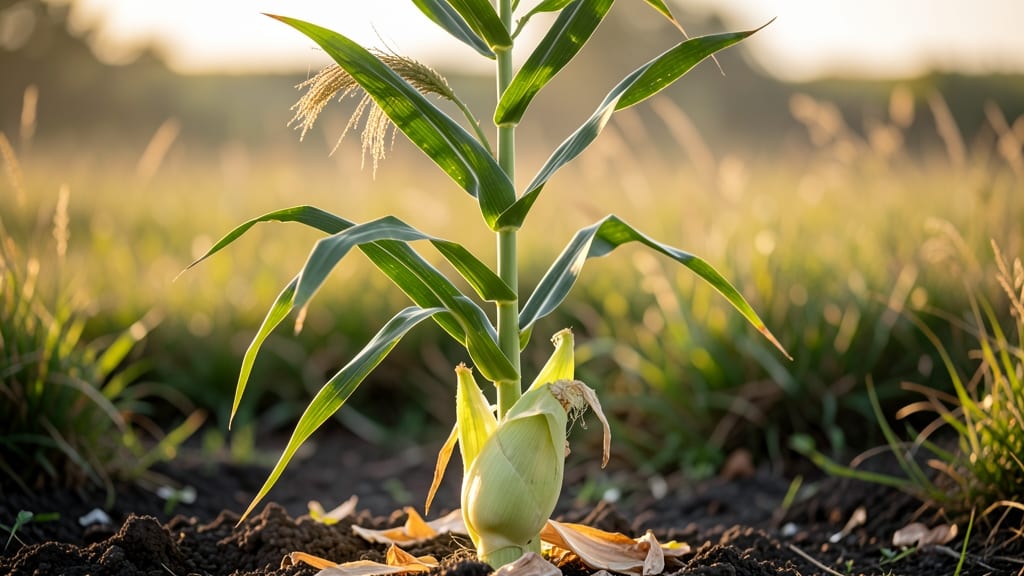
If you’ve ever planted corn and watched those stalks shoot up like nature’s skyscrapers, you might be wondering just how tall 🌽 corn can grow—because the answer might surprise you.
Some varieties reach heights that put them in the same league as small trees, towering over gardeners and even backyard fences with ease.
For most gardeners in USDA Zone 6a, corn typically grows between 6 and 10 feet, depending on the variety and growing conditions.
But with the right care—like plenty of sunlight, rich soil, and consistent watering—you can coax even taller stalks, especially if you’re growing heirloom or hybrid varieties known for their impressive height.
What’s fascinating is how quickly corn grows—those 6-foot stalks can appear in just a few months, especially when planted in spring as soon as the soil warms up.
Whether you’re planning a small backyard patch or a full cornfield, understanding these height ranges helps you choose the right varieties and space them properly for the best yield.
In this guide, I’ll break down the factors that influence corn height, from sunlight exposure to soil nutrients, and highlight some of the tallest varieties perfect for home gardens. Let’s dig in!

Corn plant height variations: from dwarf to towering varieties
If you’ve ever marveled at cornfields stretching toward the sky, you’ll be fascinated to learn that corn plants can range from 4-foot dwarf varieties to 12-foot giants in ideal conditions. The height of your corn depends entirely on the variety you choose and how you nurture it.
Some varieties stay compact enough for small gardens, while others need wide-open spaces to reach their full potential. Knowing these differences helps you plan your garden layout and select the perfect corn for your space.
Most home gardeners grow standard sweet corn varieties that reach 6 to 8 feet tall, making them ideal for backyard plots. However, if you’re dreaming of a fairy-tale cornfield, you’ll need to plant tall varieties like 'Country Gentleman', which can soar to 10+ feet with proper care.
Even dwarf varieties—like 'Golden Bantam'—offer unique benefits, such as earlier harvests and easier maintenance in containers.
Before planting, consider your garden’s sunlight exposure and soil fertility, as these directly impact height. Corn needs at least 6 hours of full sun daily and nutrient-rich soil to grow tall and strong.
Without these, even the tallest varieties may stay stunted. Let’s explore the height ranges of corn varieties and the ideal conditions to help them thrive.
🌽 Height Range Summary
| Variety Type | Height Range | Ideal Spacing | Best For | Sun Needs |
|---|---|---|---|---|
| Dwarf Varieties | 4–6 ft | 12–18 inches apart | Containers, small gardens | Full sun (6+ hrs) |
| Semi-Dwarf Varieties | 6–8 ft | 18–24 inches apart | Backyard plots, raised beds | Full sun (6–8 hrs) |
| Standard Varieties | 8–10 ft | 24–36 inches apart | Large gardens, homesteads | Full sun (8+ hrs) |
| Giant Varieties | 10–12+ ft | 36+ inches apart | Open fields, rural areas | Full sun (8+ hrs) |
Dwarf varieties like 'Golden Bantam' are perfect for container gardening or small urban plots. They mature quickly—often in 60–70 days—and produce 6-inch ears despite their short stature. These are ideal if you’re limited on space but still want fresh corn.
Just ensure your containers are at least 12 inches deep and provide sturdy support if winds are common.
Semi-dwarf varieties strike a balance, offering taller stalks with manageable care. Popular choices like 'Silver Queen' or 'Peaches and Cream' reach 6–8 feet and thrive in raised beds or traditional garden rows.
These varieties are forgiving for beginners and produce 8–10 inch ears, perfect for family meals. To maximize their height, amend your soil with compost or aged manure before planting.
Standard varieties, such as 'Ambrosia' or 'Bodacious', are the workhorses of home gardens, reaching 8–10 feet tall. These need ample space between plants—at least 24 inches apart—to prevent crowding and disease.
If you’re growing them in rows, space the rows 3 feet apart to allow airflow. For taller varieties, consider trellising or stakes to support heavy ears, especially in windy areas.
For the ultimate fairy-tale cornfield, giant varieties like 'Country Gentleman' or 'Mammoth Melting' can grow 10–12 feet tall or more. These are best suited for rural settings or large homesteads where they can spread out without competition.
To encourage their towering growth, plant them in rich, loamy soil with a balanced fertilizer (like 10-10-10) applied every 4–6 weeks during the growing season.
Regardless of the variety, consistent watering is key to reaching maximum height. Corn plants need 1–2 inches of water per week, especially during tasseling and ear development
How to maximize corn plant growth: space, soil, and sunlight tips
Want your corn plants to reach those towering heights you see at farmers' markets? Achieving 10-foot corn stalks starts with the right foundation. I’ve learned that proper spacing, nutrient-rich soil, and full sunlight exposure are the secret ingredients.
These three factors work together to help corn plants grow tall and strong, not just wide and bushy.
One common mistake I see is crowding corn plants too closely. While it might seem efficient, overcrowding stunts growth by competing for nutrients and sunlight. Instead, give each plant enough room to stretch toward the sky.
The same goes for soil—corn is hungry for nutrients, especially nitrogen and phosphorus, which fuel rapid vertical growth.
Let’s talk sunlight—the most critical factor for tall corn. Corn plants are sun-hungry and need at least 6-8 hours of direct sunlight daily to reach their maximum height.
I’ve seen corn plants in shady spots struggle to grow beyond 5 feet tall, while those in full sun can easily double that height. If your garden has partial shade, consider planting dwarf varieties instead.
Don’t overlook the power of deep watering. Corn plants have deep roots, and they need consistent moisture to support their rapid growth. I water mine deeply 2-3 times per week rather than lightly every day.
This encourages roots to grow downward, stabilizing the plant and allowing it to reach greater heights. Mulching around the base also helps retain moisture and keeps the soil cool.
For the tallest varieties, like 'Mammoth Melting' or 'Country Gentleman', you might need to go the extra mile. These giants can reach 10 feet or more, but they require extra-rich soil and consistent care.
I’ve found that adding a nitrogen boost when the plants are knee-high gives them the extra energy they need to shoot upward.
Remember, patience is key. Corn plants grow fastest during their first 6-8 weeks, so stay vigilant with care. With the right conditions, you’ll be harvesting ears from plants that seem to touch the sky—just like in those fairy tales! 🌽