
Plants
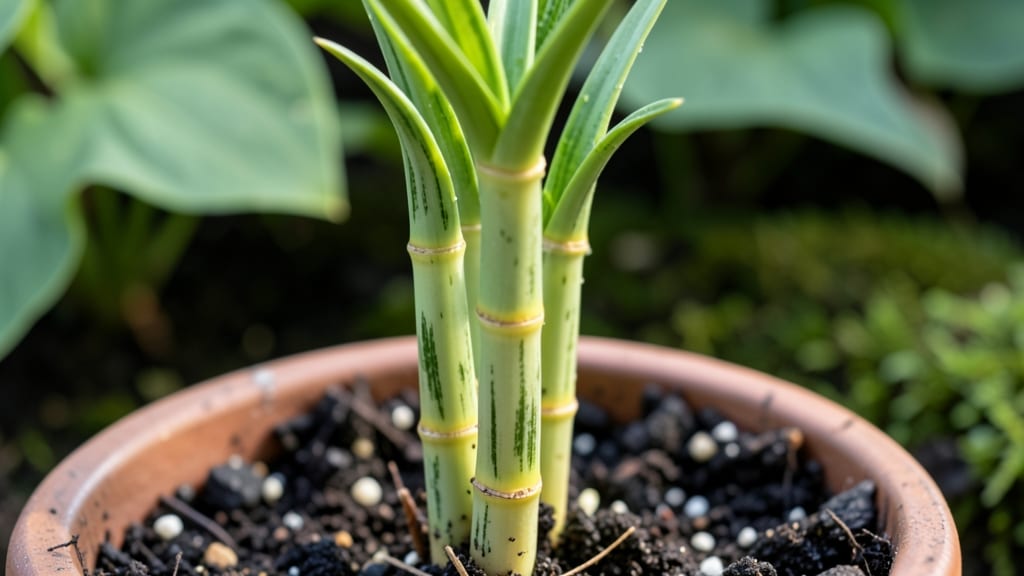
Wondering how tall your snake plant 🌱 could grow before it outpaces your ceiling fan? The answer depends more on its variety and care than you might think—and some types stay surprisingly compact while others reach impressive heights.
Most snake plants mature between 2 to 4 feet, but varieties like Sansevieria 'Futura Superba' can stretch toward 4 feet with ideal conditions, while dwarf types remain under 2 feet.
What’s even more surprising is that their growth rate slows dramatically after the first few years, making them a low-maintenance choice for busy plant parents.
Light exposure plays the biggest role in height—too little slows growth, while bright indirect light encourages taller, fuller leaves. Pot size matters too: cramped roots mean shorter plants, while spacious containers allow them to reach their full potential.
If your snake plant is growing faster than expected, don’t panic—we’ll show you how to control its height without sacrificing its striking good looks. Let’s break down exactly what to expect based on your variety and care routine.

Snake plant height by variety: compact vs towering growth expectations
If you’ve ever wondered whether your snake plant will soon tower over your ceiling fan or stay compact on your shelf, you’re not alone—this hardy plant’s growth habits surprise even experienced gardeners.
The height of a snake plant (Sansevieria) depends heavily on its variety and genetics, with some reaching towering heights while others remain ground-hugging. Understanding these differences helps you choose the perfect plant for your space.
Genetics play the biggest role in determining mature height. Some varieties grow vertically like trees, while others spread horizontally with shorter leaves. Even within the same species, like Sansevieria trifasciata, you’ll find compact cultivars alongside tall ones.
Let’s break down the most popular varieties and their expected heights to help you plan your garden or indoor setup.
Mature height isn’t the only factor—growth rate also varies. Some snake plants grow slowly and take years to reach full size, while others shoot up quickly in ideal conditions. Light exposure, pot size, and soil quality further influence how tall your plant becomes. For example, a Sansevieria 'Futura Superba' might stay shorter in low light but stretch toward sunlight if placed near a window.
| Variety | Mature Height | Growth Habit | Notes |
|---|---|---|---|
| Sansevieria trifasciata 'Laurentii' | 3-4 ft | Upright | Classic tall variety with yellow edges |
| Sansevieria 'Futura Superba' | 1-2 ft | Compact, rosette | Dwarf variety, ideal for small spaces |
| Sansevieria cylindrica | 2-3 ft | Clumping, cylindrical leaves | Unique vertical growth with thick stems |
| Sansevieria 'Hahnii' (Bird's Nest) | 1-1.5 ft | Trailing, bushy | Perfect for hanging planters |
| Sansevieria 'Black Gold' | 2-3 ft | Upright, dark leaves | Dramatic foliage, slower grower |
The Sansevieria trifasciata 'Laurentii' is the most common variety and often grows 3-4 feet tall under ideal conditions. Its upright growth makes it a statement piece in living rooms or offices.
If you’re working with limited space, the 'Futura Superba' stays compact at just 1-2 feet, making it perfect for desks or shelves. This variety’s rosette shape adds texture without taking up much vertical space.
For something truly unique, Sansevieria cylindrica offers a cylindrical leaf structure that grows 2-3 feet tall in clumps. Its thick stems store water, making it even more drought-tolerant.
If you prefer a trailing look, 'Hahnii' (or Bird’s Nest) spreads horizontally with 1-1.5 foot leaves, ideal for hanging baskets or tall shelves. These varieties prove that snake plants aren’t just tall and skinny—they come in all shapes and sizes!
Genetics aren’t the only factor influencing height growth. Light exposure plays a critical role—plants stretched toward sunlight often grow taller and leggier. If you notice your snake plant reaching for the sky, it’s likely light-deprived.
Rotate the pot occasionally to encourage even growth and prevent lopsided leaves. Similarly, pot size affects height: a smaller pot restricts root growth, while a larger container encourages taller, fuller plants.
Soil quality also impacts vertical growth. Well-draining, nutrient-rich soil helps roots establish quickly, supporting faster and healthier growth. If your snake plant is struggling to grow tall, check the soil—it might be too dense or lacking essential nutrients.
Amending with perlite or sand improves drainage, while a light fertilizer in spring can give it a growth boost. Remember, though, that over-fertilizing can harm roots and stunt growth.
If you’re growing your snake plant outdoors, climate also affects height. In USDA Zone 10 or warmer, these plants can grow wildly and reach their maximum potential height
How care conditions dramatically alter snake plant height growth
Your snake plant’s vertical growth isn’t set in stone—it responds directly to its environment. Light exposure, pot size, and even watering habits can turn a compact 2-foot plant into a towering 4-foot statement piece (or keep it short and bushy).
Understanding these factors lets you control your snake plant’s height with precision.
For example, Sansevieria trifasciata grown under bright indirect light may stretch aggressively toward light sources, while the same variety in low-light conditions stays shorter but denser. The difference? Light triggers growth hormones that signal whether to elongate stems or focus on leaf width.
Here’s how to use these conditions to your advantage—or dial back an overly ambitious plant:
Factors That Affect Snake Plant Height
✅ Encourages Height
- Bright light: 6+ hours/day
- Large pots: 12"+ diameter
- Frequent watering: Every 7-10 days
- Fertilizer: Balanced NPK in spring
Result: Taller, leggier growth (up to 4 ft)
❌ Limits Height
- Low light: <2 hours/day
- Small pots: 6-8" diameter
- Infrequent watering: Every 3-4 weeks
- No fertilizer: Dormant season
Result: Compact, bushy growth (1-2 ft)
💡 Pro Tip: Rotate pots monthly to prevent light-induced stretching on one side.
Pot size plays a surprising role too. Snake plants in cramped containers (under 6 inches) focus energy on root expansion rather than vertical growth. But when you upgrade to a 12-inch pot, expect 30% taller plants within a year—because the extra space encourages upward stem elongation.
Soil quality matters less than you’d think, but well-draining mixes prevent root stress that can stunt growth. Amend heavy soil with perlite or orchid bark to keep roots oxygenated. Overwatering, however, is the real villain—it triggers ethylene gas production, which signals the plant to grow taller and weaker.
For a bushier snake plant, prune the tallest leaves at the base in spring. This redirects energy to side shoots, creating a fuller, shorter silhouette. Pair this with morning watering (never soggy soil) and your plant will thank you with controlled, manageable height.
Remember: Genetics set the baseline, but your care routine determines whether your snake plant becomes a floor-filler or a shelf-sized accent. Start with the right conditions, and you’ll grow exactly what fits your space—no ceiling fan collisions required! 🌿