
Plants
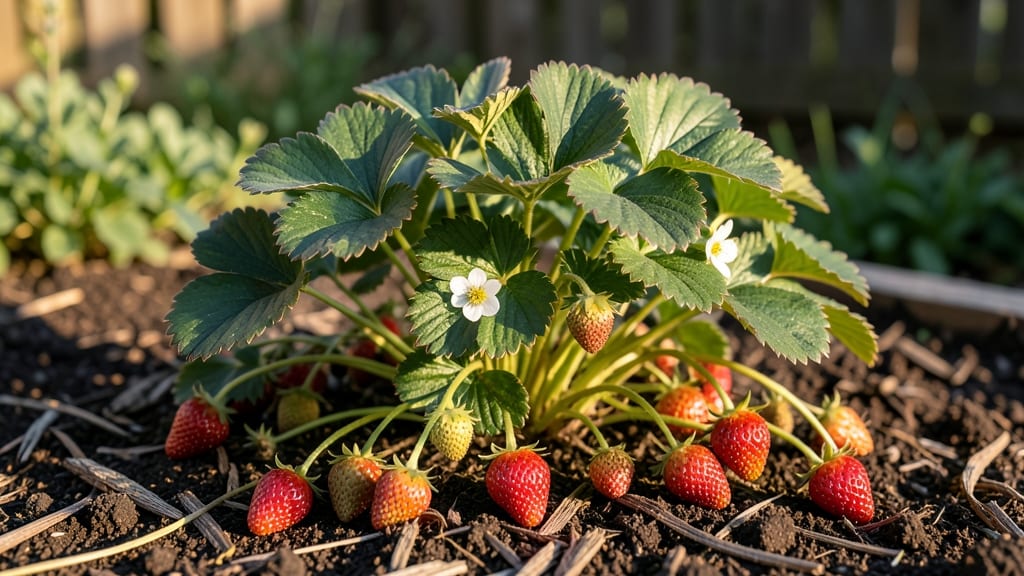
Strawberry plant height by variety: June-bearing vs. everbearing vs. day-neutral
When planning your strawberry patch, knowing how tall strawberry plants grow helps you choose the right varieties for your space. June-bearing types reach 12-24 inches, while everbearing varieties stay shorter at 6-18 inches. Day-neutral plants fall in between at 8-20 inches, making them versatile for containers or small gardens.
The height difference isn’t just about looks—it affects yield, sunlight exposure, and even pollination efficiency.
For example, the June-bearing 'Chandler' variety can tower up to 24 inches, while the everbearing 'Albion' stays closer to the ground at 12 inches. These differences mean you’ll need to adjust plant spacing, trellising, and even container sizes to accommodate each type.
Understanding these distinctions ensures your strawberries thrive without overcrowding or flopping over.
| Variety Type | Height Range | Growth Habit | Best For |
|---|---|---|---|
| June-Bearing | 12–24 inches | Bushy, upright | Large gardens, high yields |
| Everbearing | 6–18 inches | Compact, sprawling | Containers, small spaces |
| Day-Neutral | 8–20 inches | Moderate, trailing | Balconies, trellises |
The June-bearing varieties, like 'Chandler' or 'Jewel', grow the tallest because they focus all their energy on a single spring harvest. Their upright growth makes them ideal for raised beds or in-ground planting where they can spread out.
If you’re growing these in rows, space them 18–24 inches apart to prevent shading and improve airflow.
On the other hand, everbearing varieties like 'Albion' or 'Seascape' stay shorter, making them perfect for containers or hanging baskets. Their 6–18 inch height means they produce fruit in two harvests per year—spring and fall—but require more frequent pruning to control runners.
If you’re using containers, choose pots at least 12 inches deep to accommodate their root systems.
Day-neutral strawberries, such as 'Seascape' or 'Ozark Beauty', strike a balance with heights of 8–20 inches. These varieties produce fruit continuously throughout the season, making them a favorite for vertical gardening or trellis systems. Their moderate height allows them to thrive in small gardens or urban spaces where taller varieties might struggle.
Height also plays a role in pollination and fruit quality. Taller June-bearing plants may need staking or trellising to keep foliage off the ground, reducing disease risk and improving sunlight exposure to lower leaves.
Shorter varieties, like everbearing types, benefit from mulching to retain moisture and suppress weeds without smothering the plant.
If you’re growing strawberries in containers, choose varieties based on height and root depth. Everbearing types like 'Mara des Bois' (12 inches) work well in 5-gallon pots, while taller June-bearing varieties may need larger containers or ground planting.
Always ensure containers have drainage holes to prevent root rot, especially for shorter varieties that can’t handle soggy soil as well as taller types.
For trellising or vertical growth, consider day-neutral varieties like 'Seascape', which can be trained to grow upward using strawberry towers or wire trellises. This not only saves space but also makes harvesting easier and reduces fruit rot by keeping berries off the ground.
Just be sure to prune runners aggressively to direct energy into fruit production rather than spreading.
Finally, remember that soil quality and sunlight can influence how tall your strawberries grow. Well-draining, nutrient-rich soil encourages healthy root development, while 6+ hours of sunlight daily ensures vigorous growth.
If your plants seem too leggy or floppy, they may need more sunlight or balanced fertilizer to support their natural height.
By choosing the right variety for your space and growth goals, you’ll maximize yield, ease of care, and harvesting convenience. Whether you’re a beginner with limited space or a seasoned gardener planning a large patch, understanding strawberry plant height is the first step to a bountiful harvest. 🍓
How to control strawberry plant height: pruning, trellising & support tips
Managing strawberry plant height isn’t just about keeping them neat—it’s about maximizing fruit production and preventing common issues like disease or poor pollination. With the right techniques, you can encourage your plants to grow at their ideal height range while making harvests easier.
The key lies in understanding when to prune, how to support vertical growth, and which varieties thrive in containers versus open beds.
Most strawberry varieties naturally grow between 6 to 24 inches tall, but their growth habits vary. June-bearing types often reach the upper end of this range, while everbearing and day-neutral varieties tend to stay shorter.
By controlling height, you’ll improve air circulation, reduce fungal risks, and ensure your berries get the sunlight they need for sweetness and ripeness.
🌱 How Tall Do Strawberry Plants Grow?
- Dwarf varieties: 6–12 inches (ideal for containers)
- Semi-dwarf varieties: 12–18 inches (great for small gardens)
- Standard varieties: 18–24 inches (traditional in-ground planting)
- Tallest types: Up to 30 inches (rare, often June-bearing)
Pruning is the first tool in your height-control toolkit. For June-bearing strawberries, remove flower buds in early spring if you want to delay fruiting and focus on foliage growth. Everbearing and day-neutral varieties benefit from light pruning of runners to redirect energy into fruit production rather than spreading.
Always use clean, sharp shears to avoid damaging the plant, and prune in the morning when the foliage is dry.
Trellising transforms sprawling strawberry plants into vertical powerhouses. Use simple DIY supports like bamboo stakes, wire cages, or tomato cages to guide vines upward. This not only saves space but also improves airflow, reducing the risk of gray mold and other fungal diseases.
For containers, choose compact varieties like 'Albion' or 'Seascape' and pair them with small trellises to keep them contained while maximizing yield.
Container gardening is a game-changer for controlling height. Smaller pots restrict root spread, naturally keeping plants shorter and bushier. Opt for varieties like 'Tristar' or 'Seascape,' which thrive in 12-inch-deep containers.
Place pots in full sun and water consistently to prevent leggy growth. If your plants still stretch too tall, consider adding a reflective surface nearby to encourage bushier growth patterns.
Finally, monitor your plants for signs of overgrowth, like floppy leaves or berries touching the soil. These are red flags that your plants need support or pruning.
Adjust your approach seasonally—prune aggressively in early spring, provide support during fruiting, and clean up dead foliage in fall to keep next year’s growth healthy and compact.