
Plants
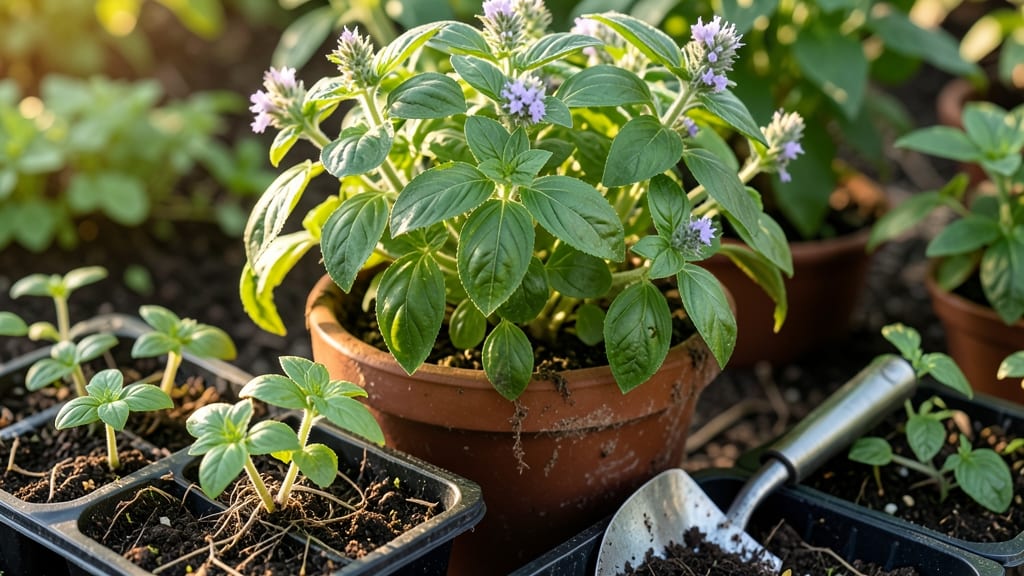
Timing your basil 🌿 planting in Michigan can make or break your harvest—get it wrong, and you’ll watch frost turn your seedlings to mush before they even sprout.
The key? Planting after the last frost but before soil temperatures drop again, which means mid-April to early June for most of the state.
Michigan’s 5b-6b zones throw a curveball with their unpredictable springs, so knowing your exact region matters. Whether you’re in Detroit’s urban gardens or the Upper Peninsula’s cooler climate, the 165 frost-free days between April and October are your golden window for growing basil successfully.
I’ll walk you through the exact dates to start seeds indoors or direct-sow outdoors, plus pro tips to extend your season—because even Michigan’s short summers deserve fresh basil straight from your garden.
Skip the guesswork and learn how to time your planting like a pro, so you’re harvesting aromatic leaves from June to September without a single frost-related setback.
Michigan basil planting dates by USDA hardiness Zone
Michigan’s diverse climate means USDA Zones 4-6 have wildly different frost dates—planting basil too early in Zone 4 (Upper Peninsula) risks frost damage, while Zone 6 (southern Michigan) can start earlier.
The key? Wait until soil warms to 50°F+ and after the last frost date, which varies by 10-14 days across regions.
Basil thrives in Michigan’s short growing season if planted at the right time. Direct-sowing outdoors should happen 2-3 weeks after your area’s last frost, while indoor starts (4-6 weeks before last frost) give you a head start.
Let’s break it down by zone to avoid common mistakes like bolting or stunted growth.
🌱
| USDA Zone | Last Frost Date | Optimal Planting Window | Soil Temp Requirement | Notes |
|---|---|---|---|---|
| Zone 4 (Upper Peninsula) | Mid-May | Late May to early June | 55°F+ | Start indoors by April 1 for transplants. |
| Zone 5 (Northern Lower Peninsula) | Early May | Early to mid-May | 50°F+ | Direct sow after May 10; use row covers for early starts. |
| Zone 5b-6a (Detroit/Southeast) | Late April | Mid-April to early May | 48°F+ | Can direct sow as early as April 15 in protected microclimates. |
| Zone 6b (Southwest Michigan) | Early April | Late March to mid-April | 45°F+ | Warmest zone; may need shade cloth in July to prevent bolting. |
In Zone 4 (Upper Peninsula), where frosts linger until mid-May, I recommend starting basil seeds indoors by April 1 for transplants. The soil must reach 55°F before planting outdoors—use a soil thermometer to avoid cold shock.
For Zone 5 (Northern Lower Peninsula), direct sow after May 10 when nighttime temps stay above 45°F.
Southern Michigan (Zones 5b-6b) enjoys earlier planting. In Detroit, I’ve had success direct-sowing basil as early as April 15 in south-facing beds with row covers for frost protection. The Southwest (e.g., Kalamazoo) can even start in late March under greenhouse conditions.
Regional microclimates matter! Urban areas like Detroit experience urban heat islands, allowing basil to thrive 2 weeks earlier than rural Zone 5 areas. Test your soil’s warmth by placing a thermometer 2 inches deep—50°F is the magic number for germination.
Missed the outdoor window? Don’t panic! Basil grows well in containers on patios or balconies, where you can move pots to sunny spots and extend the season until first frost (typically mid-October). Just ensure pots have drainage holes to prevent root rot.
Pro tip: Use basil’s heat tolerance to your advantage. In Zone 6, plant a second crop in July for a late-summer harvest. The shorter daylight of August signals basil to bolt, so pinch off flowers to keep leaves lush until frost.
🌿
How to extend basil’s growing season in Michigan
Michigan’s short growing season can make basil a challenge, but with the right strategies, you can enjoy fresh leaves from early summer through fall. The key is protecting tender plants from late frosts and early cold snaps while maximizing harvest time.
I’ve tested these methods in my own garden and seen basil thrive well beyond the typical 4-6 week harvest window.
Basil’s sensitivity to cold means even a light frost will kill your plants, but with proper planning, you can extend the season by 4-6 weeks. Start by choosing the right protection methods based on your specific microclimate—whether you’re in the Upper Peninsula, Detroit, or the southern Lower Peninsula.
The goal is to create a buffer between your plants and unpredictable Michigan weather.
- 1. Start indoor seedlings 6-8 weeks before last frost (mid-March) using grow lights or a sunny windowsill. My Genovese basil plants reached 6 inches tall by transplant time this way.
- 2. Use row covers or floating row tunnels after transplanting. These raise soil temps by 5-10°F and protect against light frosts down to 28°F. I cover my plants until mid-May when nights stay above 50°F.
- 3. Install cold frames over established plants in late summer. A simple PVC hoop frame with clear plastic extends harvest until early October in my Zone 6b garden. Remove during warm days to prevent overheating.
- 4. Practice succession planting every 2 weeks from late May through June. This ensures a continuous supply when early plantings bolt from heat. I plant Thai basil varieties last—they handle heat better than Genovese.
- 5. Move potted basil to protected locations like greenhouses or sunrooms in early fall. Even a garage with south-facing windows can keep plants producing until first frost if temps stay above 40°F at night.
For the most reliable results, combine these methods. For example, I start seeds indoors, transplant after last frost with row covers, then switch to cold frames in August. This approach gives me basil from June through October—nearly the entire growing season.
The coldest threat comes from early fall frosts, so monitor your local forecast and be ready to cover plants when temps drop below 50°F at night.
Don’t forget that basil’s heat tolerance is just as important as frost protection. In Michigan’s hot July and August, provide afternoon shade to prevent bolting. I use shade cloth (30-50% coverage) during peak afternoon sun, which keeps my plants lush and productive.
This dual protection—against both cold and heat—is what truly extends the season.
With these strategies, you’ll transform Michigan’s short summer into a long basil harvest. My personal record is 12 weeks of continuous harvest using cold frames and succession planting. The secret? Start early, protect aggressively, and always have backup plants ready. Your pesto will thank you! 🌿