
Plants
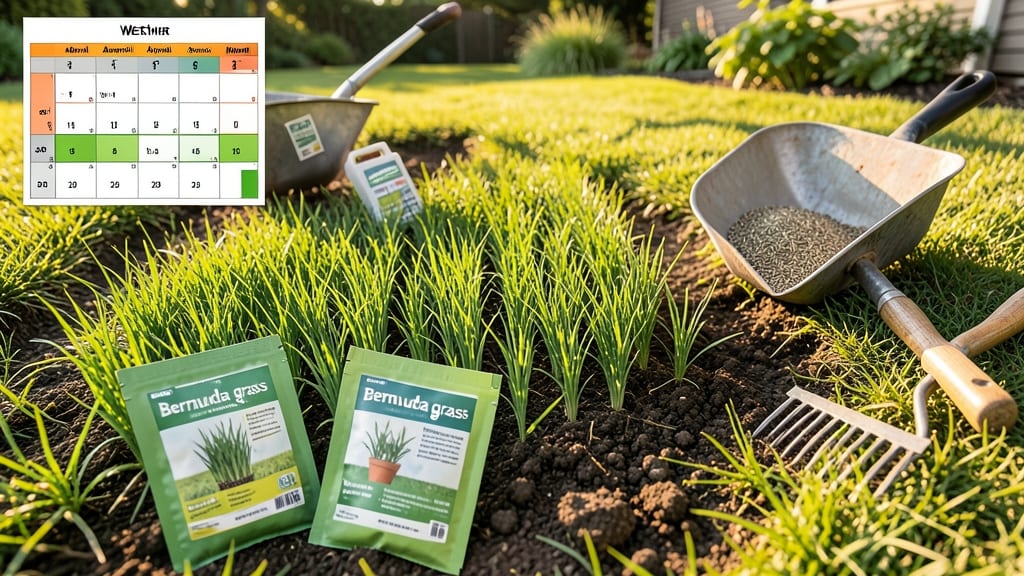
Planting grass seed in South Carolina at the wrong time can leave you staring at a patchy, weed-filled lawn instead of the lush green carpet you dreamed of.
The best time to plant isn't just about the calendar—it's about beating the heat, avoiding drought stress, and giving your 🌱 new seedlings the fighting chance they need to thrive in zones 7b-8a.
Most gardeners swear by early fall (September-October) or late spring (March-April) for a reason: cooler soil temperatures and consistent rainfall create perfect conditions for germination. But if you miss those windows, don't panic—there are heat-zone hacks that can turn even summer planting into a success with the right techniques.
I've tested these strategies on my own South Carolina lawn, and the difference between a thin, struggling patch and a thick, vibrant turf often comes down to just a few weeks of timing.
Let me show you exactly when to plant, how to prep your soil, and what to watch for to ensure your grass seed takes root like a pro.
Whether you're dealing with Bermuda grass in the Lowcountry or tall fescue in the Upstate, this guide will help you avoid the most common mistakes—like planting too early when the soil is still warm or too late when weeds take over. Ready to transform your lawn? Let's get started.
South Carolina’s ideal grass planting window: month-by-month breakdown
Planting grass seed in South Carolina requires precision—get the timing wrong, and you’ll face heat stress, weed competition, or poor germination. The key lies in understanding your grass type (cool-season vs. warm-season) and aligning it with soil temperatures and rainfall patterns.
In USDA zones 7-8, your best bets are early fall for cool-season grasses and late spring for warm-season varieties.
Cool-season grasses like tall fescue and ryegrass thrive when soil temps hover between 55-65°F, while warm-season grasses such as Bermuda and Zoysia need 75-85°F to germinate.
South Carolina’s humid subtropical climate means coastal areas (like Charleston) have longer growing seasons than inland regions (like Greenville), so adjust your timing accordingly.
Here’s your month-by-month breakdown of ideal planting windows, including soil temperature thresholds and rainfall considerations:
| Month | Cool-Season Grass (Tall Fescue, Ryegrass) | Warm-Season Grass (Bermuda, Zoysia) | Soil Temp (°F) | Rainfall (Avg.) |
|---|---|---|---|---|
| February | ✅ Good (if soil is workable) | ❌ Avoid (too cool) | 50-58°F | 3.5 inches |
| March | ⭐ Ideal (best window) | ❌ Avoid (soil too cool) | 55-65°F | 4.5 inches |
| April | ⭐ Ideal (last chance for cool-season) | ⚠️ Possible (monitor heat) | 60-70°F | 3.2 inches |
| May | ❌ Too hot (stress risk) | ⭐ Ideal (warm-season peak) | 75-85°F | 3.8 inches |
| June | ❌ Avoid (extreme heat) | ⭐ Still good (but mulch heavily) | 80-90°F | 5.5 inches |
| September | ⭐ Ideal (best fall window) | ⚠️ Possible (late planting) | 70-78°F | 5.0 inches |
| October | ⭐ Good (cooling temps) | ❌ Too cool (dormancy risk) | 60-70°F | 3.0 inches |
| November | ❌ Too late (frost risk) | ❌ Avoid (dormancy) | 50-60°F | 2.5 inches |
Key: ⭐ = Best time | ✅ = Good time | ⚠️ = Possible with adjustments | ❌ = Avoid
For cool-season grasses, March and September are your goldilocks months—soil is warm enough for germination but not scorching. In March, you’ll benefit from consistent rainfall (avg. 4.5 inches) and milder temps, while September offers the same advantages without summer’s heat stress.
If you’re planting tall fescue, aim for early September to give roots time to establish before winter.
Warm-season grasses like Bermuda and Zoysia demand May and early June for peak success. The 75-85°F soil temps during these months create the perfect environment for rapid germination. However, mulch heavily (straw or peat moss) to retain moisture and shield seedlings from intense sunlight.
If you’re in coastal SC, you might extend planting into late June, but inland areas should
Heat-zone hacks: how to beat South Carolina’s summer & avoid common mistakes
South Carolina’s summer heat can turn your lawn dreams into a nightmare—unless you know the heat-zone hacks that keep grass seed thriving. When temperatures soar above 85°F, seed germination slows, weeds like crabgrass take over, and drought stress turns your lawn brown.
But with the right strategies, you can outsmart the heat and establish a resilient lawn even in the hottest months.
The key is timing and preparation. While early fall remains the gold standard for planting cool-season grasses, late summer offers a narrow window for warm-season varieties like Bermuda or Zoysia. The trick?
Plant before the brutal July heat hits—aim for late May to early June—when soil stays moist longer and afternoon heat is less intense. This gives seedlings a fighting chance before the real summer scorcher arrives.
⚠️ callout warning
To beat the heat, start with soil prep. South Carolina’s clay-heavy soils bake hard in summer, so loosen the top 4-6 inches with a core aerator or broadfork.
Mix in 2-3 inches of compost to improve moisture retention, and top with 1 inch of mulch (straw or pine needles work best) to shield seeds from direct sun. This microclimate hack keeps soil 5-10°F cooler and retains 30% more moisture.
Watering is where most gardeners fail. Daily light watering tricks you into thinking you’re helping, but it actually encourages shallow roots and fungal diseases. Instead, water deeply 2-3 times per week—early morning (before 8 AM) to minimize evaporation.
Use a soaker hose or drip system to deliver 1-1.5 inches of water per session. Check moisture by hand: if the top 1 inch of soil feels dry, it’s time to water again.
Even with perfect timing, crabgrass and other weeds will try to hijack your lawn. Prevent them with a pre-emergent herbicide applied 4-6 weeks before planting. For organic options, use corn gluten meal (apply in early spring to block weed seeds).
Once your grass reaches 3 inches tall, thick turf naturally crowds out weeds. But stay vigilant—hand-pulling early invaders saves your lawn from becoming a weed battleground.
Don’t let summer defeat your lawn dreams. With shade protection, smart watering, and soil prep, you can establish grass even in South Carolina’s brutal heat. The payoff? A lush, weed-free lawn that survives the summer—and thrives when cooler weather returns. 🌱