
Companion Plants
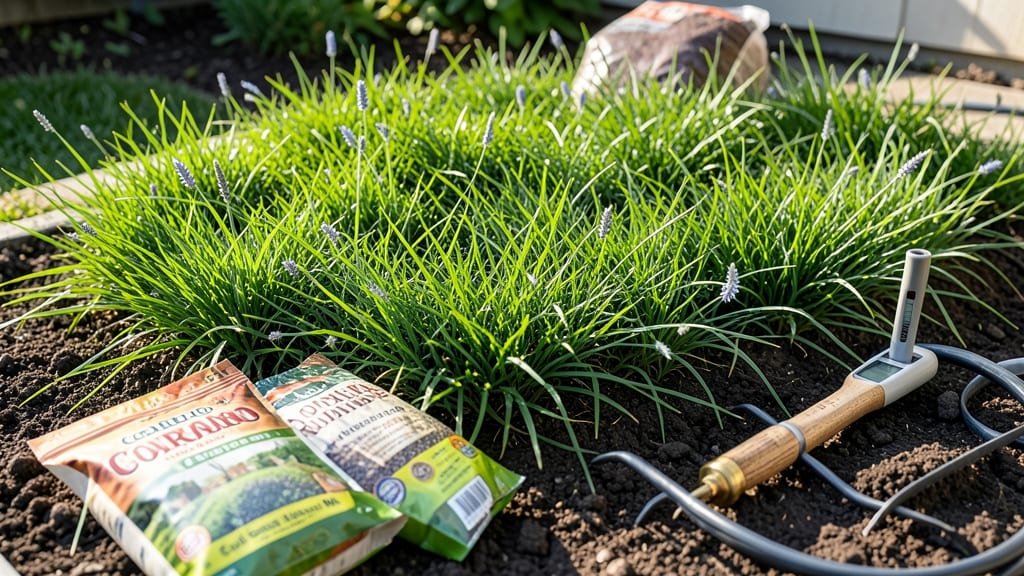
Planting grass seed in Colorado at the wrong time can turn your green dreams into a brown disappointment—frost kills early starts, while summer heat stunts growth before it begins. The perfect window depends on your elevation, soil temperature, and whether you're on the Front Range or Western Slope, but timing it right means the difference between a lush lawn and wasted effort.
Most Colorado gardeners swear by two ideal planting seasons: early spring (March-April) and late summer (August-September). But here’s the catch—soil needs to stay above 50°F for consistent germination, and frost-free dates shift drastically from Denver to Grand Junction.
I’ll break down the exact timing for your zone, plus how to prep your soil for Colorado’s dry climate.
You’ll also discover why cool-season grasses like Kentucky bluegrass thrive in spring but struggle in summer heat, while warm-season options like buffalo grass play catch-up later.
Avoid the #1 mistake Colorado lawns make—planting too early and getting burned by late frosts—and learn how to stretch your planting window with simple tricks.
By the end, you’ll have a customized checklist for your elevation, from soil testing to watering schedules, so your grass seed takes root like a pro. Let’s get that Colorado lawn growing strong!
Colorado grass planting timeline by elevation: soil temp & frost-free dates
Colorado’s dramatic elevation shifts—from 4,000 feet in the Front Range to 10,000 feet in the mountains—create wildly different planting windows. At lower elevations, soil temperatures hit 50°F+ by early April, while high-altitude areas may wait until late May.
Timing isn’t just about frost-free dates; it’s about consistent warmth and moisture retention to prevent seed failure.
Most Colorado counties experience their last spring frost between April 15 and May 15, but high-altitude areas like Summit County can see frosts into June. Meanwhile, Denver and Colorado Springs typically reach safe planting conditions by mid-April.
Ignoring these variations means risking frost damage or heat stress—both kill young grass seedlings.
Here’s your elevation-specific planting timeline, including soil temperature thresholds and frost-free averages to avoid common mistakes like planting too early or too late.
For low-elevation areas like Denver and Colorado Springs, aim to plant cool-season grasses (Kentucky bluegrass, fescue) in early April once soil temperatures stabilize above 50°F. Use a soil thermometer to confirm—cold soil delays germination and invites disease.
If you’re in Douglas or El Paso counties, watch for late frosts into May.
High-altitude regions like Summit or Eagle County demand patience. Wait until late May or even early June for soil temps to reach 55°F+. These areas benefit from late-summer planting (August–early September) when nights cool down, reducing heat stress on seedlings.
Test your soil’s moisture retention—high-altitude soils dry out faster, requiring daily watering until roots establish.
Colorado’s Western Slope (Grand Junction, Durango) has a longer growing season but faces summer drought. Plant cool-season grasses in September to take advantage of fall rains and avoid June heat. Warm-season grasses like Bermuda can handle late-spring planting (May–June) if you’re willing to risk early-season frosts.
Pro tip: Use frost blankets or row covers to extend your planting window by 2–3 weeks in high-risk areas. These tools protect seedlings from unpredictable late frosts while keeping soil warm. Pair them with a slow-release fertilizer to give young grass the nutrients it needs without burning tender roots.
Monitor your local Almanac frost-free dates and adjust for microclimates. A south-facing slope warms faster than a shaded valley, so plant exposed areas 1–2 weeks earlier.
Use a weather app with soil temp alerts to track conditions in real time—this is your best defense against Colorado’s notorious weather whiplash.
Remember: Watering matters most in the first 2–3 weeks after planting. Keep soil consistently moist (not soggy) to encourage germination. High-altitude areas may need twice-daily watering until seedlings sprout. Once established, reduce to 1–1.5 inches per week to build drought resilience.
By aligning your planting with soil temperature, frost-free dates
Best grass seed types for Colorado’s climate & when to plant each
Colorado’s climate demands grass types that thrive in cool mountains or hot valleys. Cool-season grasses dominate, but warm-season varieties shine in lower elevations. Kentucky bluegrass and fescue are top picks for front-range lawns, while Bermuda and buffalo grasses handle dry western climates.
Your elevation and microclimate dictate the perfect planting window.
For 4,000–7,000 ft elevations, like Denver or Colorado Springs, cool-season grasses like tall fescue and fine fescue thrive when planted in early spring (March–April) or late summer (August–September).
These grasses establish roots before winter or summer heat stress. Warm-season grasses like Bermuda grass prefer late spring (May–June) for lower desert areas.
Here’s a quick-reference comparison of Colorado’s best grass types, their ideal planting windows, and key traits:
If you live in Denver or the Front Range, prioritize cool-season grasses like tall fescue for their drought resistance and shade tolerance. For Western Slope areas (e.g., Grand Junction), Bermuda grass or buffalo grass handle hot, dry summers better.
Always test your soil temperature—seeds need 50°F+ soil to germinate successfully.
For high-elevation gardens (7,000+ ft), like those in Colorado Springs or Steamboat Springs, stick to fine fescue blends or hardy Kentucky bluegrass mixes. These varieties tolerate colder soils and shorter growing seasons. Plant in late August to give roots time to establish before winter’s first frost.
Pro tip: Mix cool-season grasses for a lush, low-maintenance lawn. Pair tall fescue with fine fescue to balance drought tolerance and shade adaptability. Water deeply 2–3 times per week after planting to encourage root growth, especially in Colorado’s dry climate. 🌱