
Plants
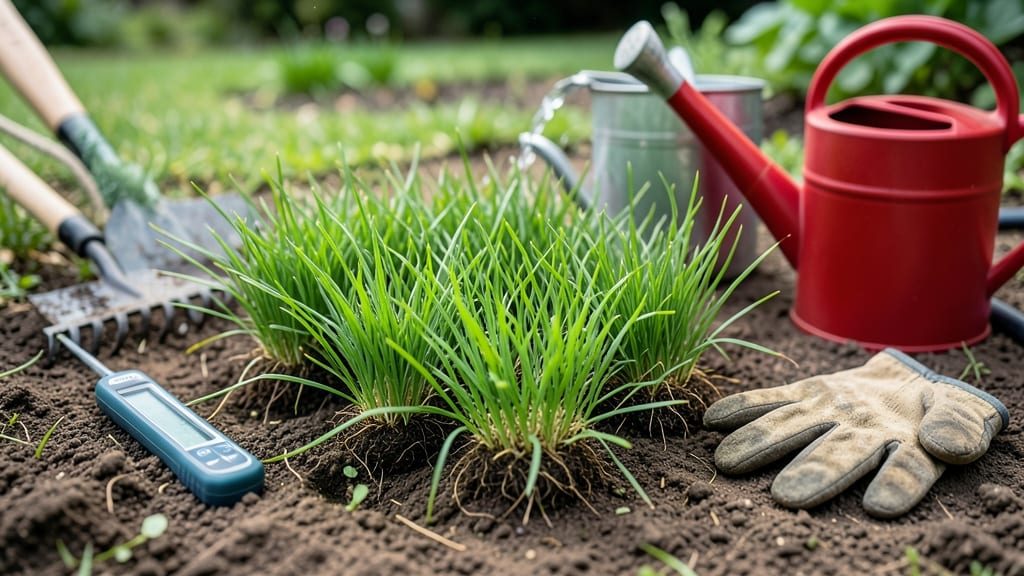
Planting Bermuda grass at the wrong time in Missouri can turn your fast lawn dreams into a slow, patchy disappointment. This warm-season grass thrives when soil temperatures hit 65°F—but getting it right means knowing your county’s frost dates and microclimates.
Missouri’s 5b-6b zones give you two prime windows: late April to early June for spring planting or early September for fall. Miss these, and you’ll battle weeds or weak growth. I’ll break down the exact timing for your area and how to prep your soil for fast establishment.
Whether you’re seeding or laying sod, the first 30 days are critical. Learn how to water, fertilize, and outsmart Missouri’s heat to get that thick, drought-resistant lawn you’ve been dreaming of.
Let’s dive into the county-specific dates and pro tips that’ll have your Bermuda grass 🌱 taking off in no time—without the guesswork.
Optimal planting windows for Bermuda grass across Missouri counties
Missouri's diverse climate—spanning USDA hardiness zones 5-7—means your Bermuda grass planting timing should vary by region. In northern counties like St. Louis and Kansas City, wait until late April to early May when soil temps hit 65°F (18°C).
Southern areas like Springs and Cape Girardeau can start as early as mid-March due to warmer microclimates. Fall planting in early September works statewide, but northern zones benefit more from this window.
Bermuda grass thrives in full sun and well-draining soil, but timing is critical. Planting too early risks frost damage or slow germination, while late planting may leave your lawn vulnerable to weed competition. Use these county-specific guidelines to align with Missouri's frost-free dates and soil warming trends.
⚠️ Key Rule: Always test soil temperature with a soil thermometer—Bermuda grass won't germinate below 65°F (18°C). Northern Missouri's cooler springs often delay planting by 2-3 weeks compared to southern counties.
Missouri's microclimates create local variations. For example, urban heat islands in St. Louis can warm soil 3-5°F faster than rural areas, allowing earlier planting. Conversely, northern Ozark valleys may need to delay by 1-2 weeks due to cooler air settling in low spots.
Use a soil thermometer for precision—don't rely solely on calendar dates.
Fall planting offers a second chance for Missouri gardeners. Aim for early September to give roots time to establish before first frost (mid-October). Northern zones benefit most from fall planting, as cooler temps reduce weed competition and water stress.
Southern counties can extend fall planting to mid-September, but avoid planting after Labor Day in zone 7 areas.
Adjust your planting method based on timing. Sod establishes faster in late spring (May-June), while seeds benefit from fall planting due to cooler germination temps. If using seeds, consider a starter fertilizer with high phosphorus to encourage root development during Missouri's hot, dry summers.
Missouri's clay-heavy soils in many regions can delay planting. Amend with compost or sand 2-3 weeks before planting to improve drainage. Test soil pH (6.0-7.0 ideal)—Bermuda grass struggles in acidic soils. Northern counties often need lime applications to raise pH before planting.
Watch for false springs in Missouri's transitional zones. A warm March followed by late frost can kill young Bermuda grass. Use frost cloth if planting early in zone 5b areas. Southern counties rarely face this issue but should still monitor 10-day forecasts for cold snaps.
Pro tip: Plant Bermuda grass seeds 1/4 inch deep and keep soil moist until germination (7-14 days). In Missouri's drought-prone summers, mulch lightly with straw to retain moisture. Avoid heavy mulch—it can smother young shoots.
✅ Missouri-Specific Success Tip: Overseed with ryegrass in fall
How to prepare your Missouri lawn for Bermuda grass planting success
Missouri’s clay-heavy soils and variable spring temperatures can make or break your Bermuda grass lawn if you don’t prep properly. The key is creating an ideal seedbed environment that encourages fast root establishment while accounting for local conditions like humidity spikes and late frosts in northern counties.
Bermuda grass thrives when planted in well-aerated soil with a pH between 6.0-7.0. Missouri’s USDA zones 5b-7a mean you’ll need to adjust your prep timeline based on whether you’re in southern St. Louis (warmer) or northern Kansas City (cooler).
Let’s break down the essential steps to set your lawn up for success.
Use a soil test kit to check pH and nutrient levels. Missouri’s clay soils often need organic matter like compost or peat moss to improve drainage. Aim for 6.0-7.0 pH and add 1-2 inches of compost.
Rent a core aerator to create ½-inch holes every 2-3 inches. This helps Bermuda grass roots penetrate compacted clay soils. Do this in early spring (March-April) for seed planting or late summer (August) before sod installation.
Remove rocks, debris, and weeds with a broadfork. Rake the soil smooth to create a fine, crumbly texture. For clay soils, add sand or perlite (20% mix) to improve drainage before raking.
Use a high-phosphorus fertilizer (e.g., 10-20-10) at ½ pound per 100 sqft to boost root growth. Water lightly after application to activate nutrients. Avoid nitrogen-heavy fertilizers before planting—they encourage top growth over roots.
Soak the soil to a depth of 6 inches 24 hours before seeding or sod laying. Bermuda grass needs consistent moisture to germinate, so keep the top 2 inches of soil damp until sprouts appear (10-14 days).
Missouri’s summer heat can dry out soil quickly, so mulch newly planted areas with straw (not hay) to retain moisture and protect seeds from bird damage. If you’re planting in late spring (May-June), opt for sod over seeds—it establishes faster in Missouri’s 90°F+ temperatures.
For clay-heavy areas, consider installing French drains before planting to prevent waterlogging. Bermuda grass may struggle in waterlogged conditions, even if it’s drought-tolerant once established. Always mow high (2-3 inches) during the first growing season to shade out weeds and encourage deep roots.
🌱