
Plants
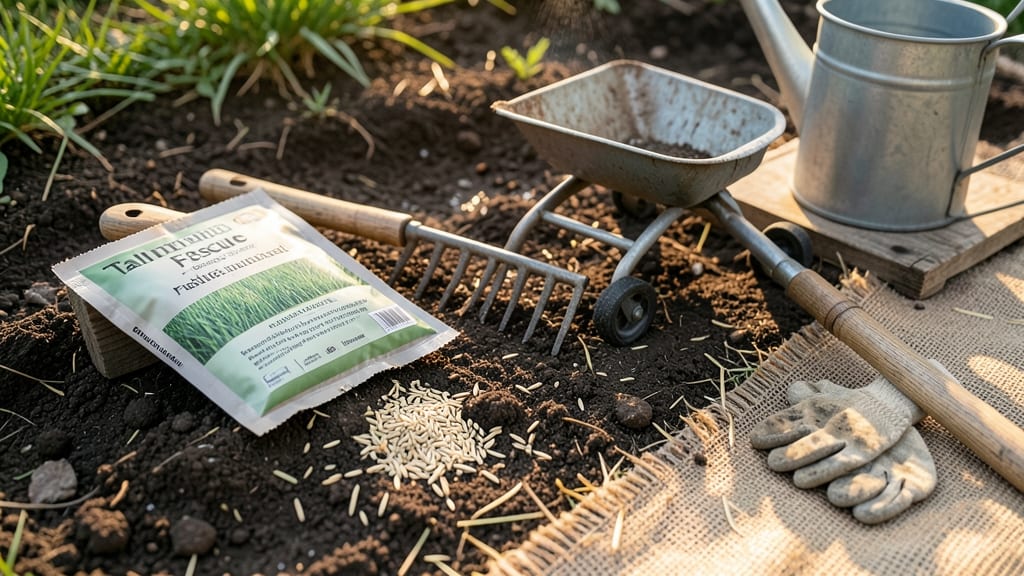
Planting grass seed in the fall is your best bet for a thick, vibrant lawn—but timing it wrong can leave you with patchy results. The key lies in that 4-6 week window before frost, when cool air and moist soil create perfect conditions for deep root growth.
In USDA Zone 6a, that means aiming for late August through early October, depending on your first frost date.
Why does this matter? Fall planting gives grass a head start on establishing roots before winter dormancy, so it springs back stronger than spring-seeded lawns. I’ve seen firsthand how a well-timed fall planting can turn a struggling lawn into a lush carpet by next summer.
The secret isn’t just when you plant, though—it’s also about soil prep, seed choice, and watering routines.
Let’s break down exactly how to nail your fall planting schedule, from checking soil temperatures to avoiding common mistakes that kill seed success. Whether you’re a first-time gardener or a seasoned pro, these tips will help you grow grass that’s thicker, greener, and more resilient than ever before.
Ready to transform your lawn? I’ll walk you through every step—so you can enjoy a stronger lawn next spring without the guesswork.
The ideal fall grass seed planting timeline by climate zone
Fall is your best window for planting grass seed because cool temperatures and shorter days encourage deep root growth before winter dormancy. But timing matters—plant too early, and weeds take over; too late, and frost kills young seedlings.
The 6-week pre-frost rule is your golden guide, but exact dates vary by USDA climate zone and local frost patterns.
Northern regions (Zones 3-5) face earlier freezes, so you’ll plant in late August to early October. Southern zones (6-10) have longer growing seasons, extending your window to mid-September to November.
Even within zones, microclimates—like valleys or hilltops—can shift frost dates by weeks. Always check your local frost forecast before seeding.
Soil temperature is your real-time barometer. Grass seeds need soil temps between 60°F and 75°F for germination. In most zones, this aligns with late summer to early fall. Use a soil thermometer to confirm—if temps drop below 50°F, roots won’t establish properly before dormancy.
Here’s how to adjust for early/late freezes: If your area has a history of unpredictable frost, plant on the earlier side of your zone’s window. For example, Zone 5 gardeners might start in mid-August instead of waiting for September.
Conversely, if your fall is unusually warm, you can push planting into early November—just monitor soil temps closely.
🌱
For 2024 planting, check your local National Weather Service or Almanac frost dates—they update annually. For example, if your first frost is November 15, plant by October 1 to allow 6 weeks of growth. Pro tip: Use a frost calendar app to set reminders for your zone.
Northern gardeners in Zones 3-5 should prioritize fast-germinating seeds like Perennial Ryegrass, which can establish roots quickly in short seasons. Southern zones (7-10) can afford slower-growing Fescue mixes because their extended fall windows reduce frost risk.
If you’re in a transition zone (like Zone 6b), split your seeding: plant half in September and the other half in early October. This hedges against unpredictable weather. Always test soil moisture—dry spells can delay germination, while overly wet soil risks rot.
Remember: The goal is root depth, not just green blades. Grass with 3-4 inches of roots before frost handles spring better. Use a soil probe to check depth after 4-6 weeks—if roots are shallow, extend your watering schedule.
☀️
5 Critical steps to maximize root growth before frost
Fall planting gives grass seeds a 6-week head start to establish deep roots before winter dormancy. The key? Preparing your soil and conditions so seeds can thrive in cooler temperatures.
I’ll walk you through the exact steps I use to ensure my lawn develops a strong root system before the first frost hits.
Start by testing your soil pH and nutrient levels—ideal grass growth requires a pH between 6.0 and 7.0. If your soil is too acidic or alkaline, amend it with lime or sulfur at least 2 weeks before planting.
I always test my soil in early September to give it time to adjust before seeds go in.
Next, choose the right grass seed variety for your climate. Cool-season grasses like Kentucky bluegrass and fescue thrive in fall, while warm-season grasses like Bermuda or Zoysia need spring planting. I opt for tall fescue in my Zone 6 garden—it handles cold well and stays green longer.
- 🌱 Test Soil: Aim for pH 6.0-7.0; amend with lime or compost if needed.
- 🌿 Pick Cool-Season Seed: Choose fescue, bluegrass, or ryegrass for fall planting.
- 💧 Water Deeply Daily: Keep soil moist (1 inch per week) until germination (7-21 days).
- 🪴 Mulch Lightly: Use straw (¼ inch thick) to retain moisture and protect seeds.
- ⏰ Plant 6 Weeks Before Frost: Check your local frost date—shoot for mid-September in most regions.
After selecting your seed, prepare the planting area by removing weeds and loosening compacted soil with a rake. I use a slit seeder for even distribution, but a broadcast spreader works too. Lightly scratch the soil surface to create seed-to-soil contact, which is crucial for germination.
Watering is non-negotiable—consistent moisture is the #1 factor for root growth. Water lightly but frequently (twice daily for 10-15 minutes) until seeds sprout, then taper to 1 inch per week. I set a timer to avoid overwatering, which can wash seeds away or cause disease.
Finally, apply a thin layer of straw mulch (¼ inch) to retain moisture and insulate seeds from temperature swings. Avoid thick mulch—it can smother young sprouts. I also avoid fertilizing until after germination, as nutrients can burn tender seedlings.