
Plants
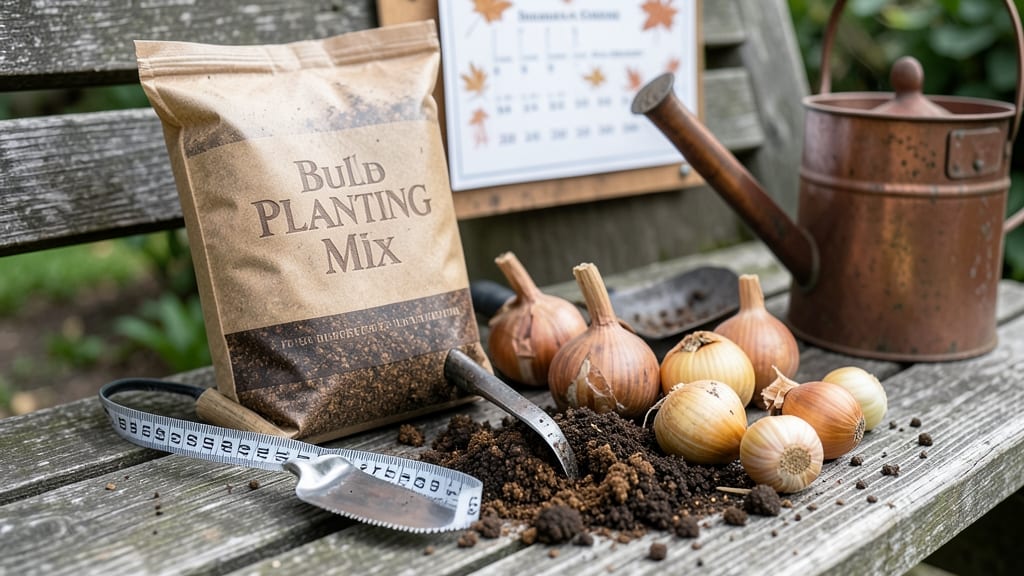
Planting bulbs at the wrong time in South Carolina can turn your dream garden into a wilted disappointment—but getting the timing right means vibrant blooms that steal the show every spring.
With our mild winters and humid summers, the perfect window for planting 🌷 is just a few weeks away, and it all comes down to when you put those bulbs in the ground.
Most gardeners assume spring is the only time to plant, but in zones 7b-8a, fall is actually the golden opportunity for spring-blooming varieties like tulips and daffodils.
The key? Planting 6-8 weeks before the first frost, typically between September and November, gives roots time to establish before winter sets in.
If you missed the fall window, don’t panic—winter planting (January-February) still works for hardy varieties, though coastal areas may need extra care against humidity. I’ll show you exactly how to time it right, whether you’re in the Piedmont or near the coast, so your bulbs thrive year after year.
From soil prep to frost protection, I’ve got the step-by-step guide to ensure your bulbs not only survive but explode with color when spring arrives. Let’s get those blooms growing!
Best months to plant spring-blooming bulbs in South Carolina’s climate zones
South Carolina’s USDA climate zones 7a-8b offer gardeners a unique opportunity to grow vibrant spring bulbs like tulips, daffodils, and hyacinths. The key to success lies in understanding soil temperature triggers and frost dates that vary across regions.
Coastal areas (zone 8a) have milder winters, while Piedmont regions (zone 7b) experience slightly colder temperatures—both require precise timing for bulb establishment.
For most spring-blooming bulbs, the ideal planting window falls between mid-September and mid-November. This timing allows bulbs to develop roots before winter dormancy while avoiding the heat stress of summer soil.
In South Carolina, soil temperatures typically drop below 60°F (15°C) by late October, signaling the perfect moment for planting.
Let’s break down the best planting months by popular bulb varieties and how South Carolina’s microclimates influence success. Coastal gardeners in Charleston may have 2 extra weeks of planting time compared to Upstate gardeners in Greenville due to later frost dates.
| Bulb Variety | Best Planting Window (SC Zones 7a-8b) | Soil Temp Requirement | Frost Hardiness | Local Notes for SC |
|---|---|---|---|---|
| Daffodils (Narcissus) | Late September - November | 55-60°F (13-16°C) | Zone 3-9 | Thrives in SC’s humidity; plant 6" deep |
| Tulips (Early Varieties) | Mid-September - October | 50-55°F (10-13°C) | Zone 4-8 | Needs winter chill; avoid late fall planting in zone 8a |
| Hyacinths | October - November | 50-55°F (10-13°C) | Zone 4-8 | Fragrant blooms love SC’s mild winters; plant in well-draining soil |
| Crocuses | September - October | 45-50°F (7-10°C) | Zone 3-9 | Early bloomers; perfect for SC’s early spring gardens |
| Alliums (Ornamental Onions) | October - November | 55-60°F (13-16°C) | Zone 4-9 | Drought-tolerant; ideal for SC’s dry springs |
In zone 7a (Upstate SC), where first frosts typically arrive by mid-November, aim to plant by October 15th to ensure bulbs establish roots before winter.
For zone 8a (coastal SC), you can extend planting until mid-November due to later frost dates, but avoid planting after November 20th—warm soil can trigger premature sprouting.
One common mistake in South Carolina is planting bulbs too early when soil temperatures remain above 65°F (18°C). Warm soil encourages bulbs to sprout immediately, leaving them vulnerable to dehydration and pest damage. Always check soil temperature with a soil thermometer before planting—ideal conditions are 55-60°F (13-16°C).
For tulips, which require vernalization (a period of cold), planting in late September ensures they receive enough chill hours. In contrast, daffodils are more forgiving and can handle later fall planting up to November. Hyacinths, while beautiful, need consistent moisture—South Carolina’s
Fall vs. spring planting: which bulbs thrive in South Carolina’s short growing season?
South Carolina’s short growing season and humid summers demand strategic planting decisions for bulbs. While spring-blooming bulbs like tulips and daffodils thrive with fall planting, summer-blooming varieties such as dahlias and cannas often need a different approach.
Understanding these differences ensures your garden stays vibrant year-round without wasted effort or money.
In USDA Zones 7b-8a, the Piedmont region experiences cooler winters than the coastal areas, which can delay frost by weeks. This means fall planting windows shift slightly—coastal gardeners may have until late November, while Piedmont gardeners should plant by mid-November.
For summer-blooming bulbs, spring planting offers a better chance to beat the heat and extend blooms into autumn.
Fall Planting for Spring Blooms
- Early start: Bulbs establish roots before winter
- Hardier varieties: Tulips, daffodils survive SC winters
- Lower risk: Less competition from weeds
- Late frost danger: Coastal areas risk delayed blooms
- Limited selection: Fewer summer-blooming options
- Soil prep needed: Requires drainage adjustments
Spring Planting for Summer Blooms
- Extended season: Dahlias, cannas bloom until frost
- Heat tolerance: Better suited for SC summers
- Flexible timing: Can plant until May
- Shorter root time: Less winter hardening
- Pest pressure: Higher risk of slugs, beetles
- Water demands: Requires consistent moisture
For spring-blooming bulbs, aim to plant 6-8 weeks before the first frost. In most of SC, this means mid-September to early November. Use a soil thermometer—roots establish best when soil temps are between 50-60°F.
In coastal areas, where winters are milder, you can push planting to late November, but avoid planting after December 1st to prevent rot.
Summer-blooming bulbs like dahlias and cannas should wait until spring planting. These heat-lovers perform best when planted after the last frost date (typically mid-March in Piedmont, late March in coastal areas).
For extended blooms, consider succession planting—add new bulbs every 2-3 weeks through May to stagger flowering until frost.
One common mistake is planting summer bulbs too early—they’ll bolt or rot in warm soil. Instead, pre-sprout tubers indoors in late winter for a head start. For coastal gardeners, prioritize drought-tolerant varieties like gladiolas or calla lilies, which handle humidity better than delicate dahlias.
Always mulch heavily (3-4 inches) to conserve moisture and regulate soil temperature.
To maximize your garden’s potential, combine both strategies: Plant spring-blooming bulbs in fall for early color, then add summer varieties in spring to extend the season. This creates a continuous bloom cycle from March through October, making your SC garden the envy of the neighborhood.
Just remember—timing is everything, and local microclimates matter! 🌷