
Plants
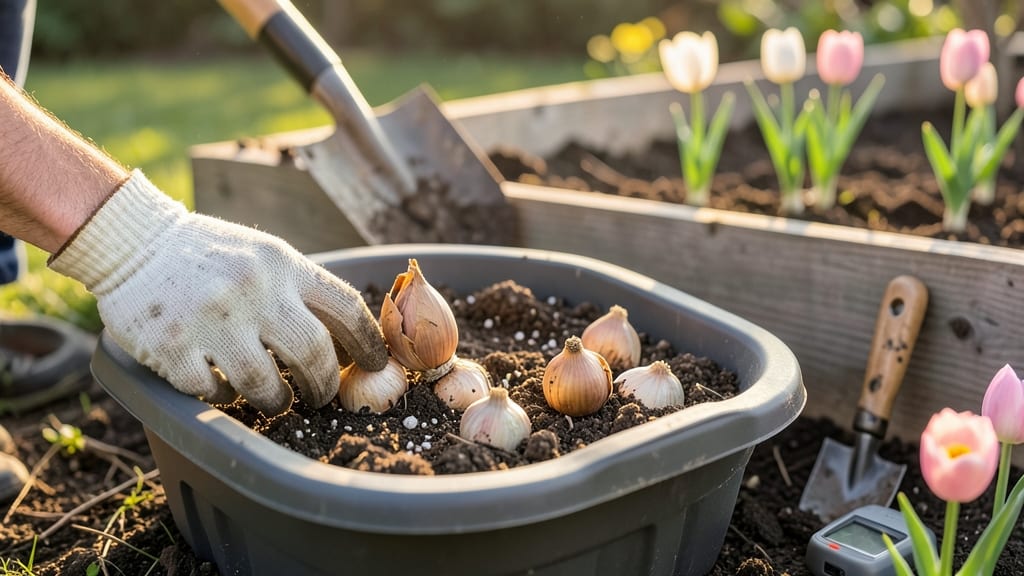
Planting bulbs in the South’s warm winters isn’t just about timing—it’s about understanding your Spring Flowering Bulbs (e.g., Tulips, Daffodils, Hyacinths) 🌷 and their chill-hour needs. Unlike Northern gardens, where bulbs go in early fall, Southern gardeners must adjust for milder temperatures and longer growing seasons.
If you’ve ever planted bulbs only to watch them flop in spring, you’re not alone. The key lies in knowing when to plant based on your USDA zone—whether you’re in Zone 7 with cooler winters or Zone 10 with barely any frost.
Some varieties thrive with minimal chill, while others need a little help to bloom reliably.
In this guide, I’ll break down the exact fall planting windows for Southern zones, plus smart tricks for forcing blooms if your winter isn’t cold enough. You’ll learn which bulbs are foolproof for your climate and how to prep soil for success—no more guessing games.
Ready to turn your garden into a springtime showstopper? Let’s dive into the chill-hour secrets that will have your bulbs blooming bigger and brighter than ever.
Southern bulb planting timeline by chill-hour requirements
Understanding chill-hour requirements is the key to successful bulb planting in the South. Unlike cooler climates, Southern gardens experience milder winters, which means traditional bulbs like tulips often fail to bloom.
The solution? Matching your bulbs to their chill-hour needs—the number of hours below 45°F (7°C) they require to trigger flowering.
Southern gardens typically fall into three categories: Deep South (Zones 8-10), Gulf Coast (Zones 7-9), and transition zones (Zones 6-7). Each has unique planting windows based on frost dates and temperature patterns.
For example, low-chill bulbs (0-10 hours) thrive in Zone 10 year-round, while medium-chill bulbs (10-20 hours) need strategic fall planting in Zone 7.
The fall planting window is critical for most bulbs, but timing varies by chill needs. High-chill bulbs (20+ hours) like daffodils may require spring planting in warmer zones or forced chilling techniques. Meanwhile, native Southern bulbs (e.g., rain lilies) can be planted almost anytime outside of extreme heat.
Here’s the breakdown you need to plan your Southern bulb garden with confidence:
For Deep South gardeners (Zones 9-10), focus on low-chill bulbs like rain lilies (Zephyranthes) or crinum lilies. These thrive with minimal chill and can even be planted in late winter for spring blooms.
In transition zones (Zones 7-8), prioritize medium-chill varieties like camassia or Spanish bluebells, planting them in October-November for winter dormancy.
High-chill bulbs (20+ hours) like tulips or classic daffodils need special care in the South. If you’re in Zone 8 or warmer, consider spring planting (February-April) or forced chilling techniques.
For example, store bulbs in a refrigerator (35-40°F) for 8-12 weeks before planting, or use shade cloth to mimic cooler conditions outdoors.
Don’t forget about microclimates—your garden’s specific conditions can shift planting times by weeks. A north-facing slope stays cooler longer, while a south-facing bed may need earlier planting. Use a soil thermometer to monitor temperatures and adjust timing accordingly.
One common mistake is planting bulbs too late in fall, especially in Zone 10, where mild winters mean bulbs can rot before flowering. Aim to plant 6-8 weeks before the first frost (or by December 1st in most Southern zones) for optimal root establishment.
For spring planting, wait until soil temperatures rise above 60°F (15°C) to avoid heat stress.
To maximize success, pair your bulbs with companion plants that thrive in similar conditions. For example, plant daylilies alongside low-chill bulbs for year-round color, or add ferns to shade bulbs in hot afternoons. Mulching with pine straw or shredded leaves helps regulate soil temperature and retain moisture during Southern summers.
With
Best fall-planted bulbs for Southern gardens (with exact dates)
Fall is the perfect time to plant bulbs in the South, but timing matters—especially when mild winters can trick bulbs into sprouting too early. The key is choosing cold-hardy varieties that thrive with minimal chill hours (0-15°F) and planting them 6-8 weeks before frost.
Unlike Northern gardens, Southern bulbs need well-draining soil and partial shade in hot zones to prevent rot.
Southern gardens shine with bulbs like rain lilies, crinum lilies, and camassia, which bloom reliably despite warm winters. These varieties handle USDA zones 7-10 and even perform well in coastal climates where humidity is high.
For fastest rooting, amend your soil with compost and perlite to improve drainage—a must in heavy clay soils common in the South.
- 🌱 Zone 7-8: Plant rain lilies and crinum in October-November for spring blooms. Soil temps should be 60-70°F.
- 🌿 Zone 9-10: Opt for camassia and sparaxis—plant in September-October to avoid summer heat stress.
- ✂️ Soil Prep: Mix 1 part compost with 2 parts native soil and add 1 inch of mulch after planting.
- 💧 Watering: Water deeply once after planting, then bi-weekly until dormancy in winter.
- ☀️ Sunlight: Most Southern bulbs need partial shade (3-6 hours sun/day) to prevent overheating.
For USDA zone 7, focus on low-chill bulbs like zephyranthes (rain lilies), which bloom after just 10-15 chill hours. In zone 8-9, crinum lilies and sparaxis (harlequin flower) thrive with minimal winter chill.
Plant these 2-3 inches deep and 3x their width apart to allow airflow and deter fungal diseases.
Pro tip: In zone 10, where winters are nearly frost-free, plant spring-blooming bulbs like daffodils in December-January to avoid summer heat. These bulbs need partial shade and consistent moisture until roots establish.
Avoid planting in full sun without shade cloth, as soil temps can exceed 90°F, killing tender roots.
To extend bulb life, fertilize lightly in early spring with a 5-10-10 NPK blend once blooms fade. This encourages stronger foliage growth, which fuels next year’s flowers. Mulch with pine straw or shredded leaves to retain moisture and regulate soil temps—critical in Southern summers and winters alike.
With the right bulbs and timing, your Southern garden can burst into color from winter through spring. Start with 3-5 varieties for a layered look, and don’t forget to deadhead spent blooms to redirect energy to next year’s growth. Happy planting! 🌷