
Plants
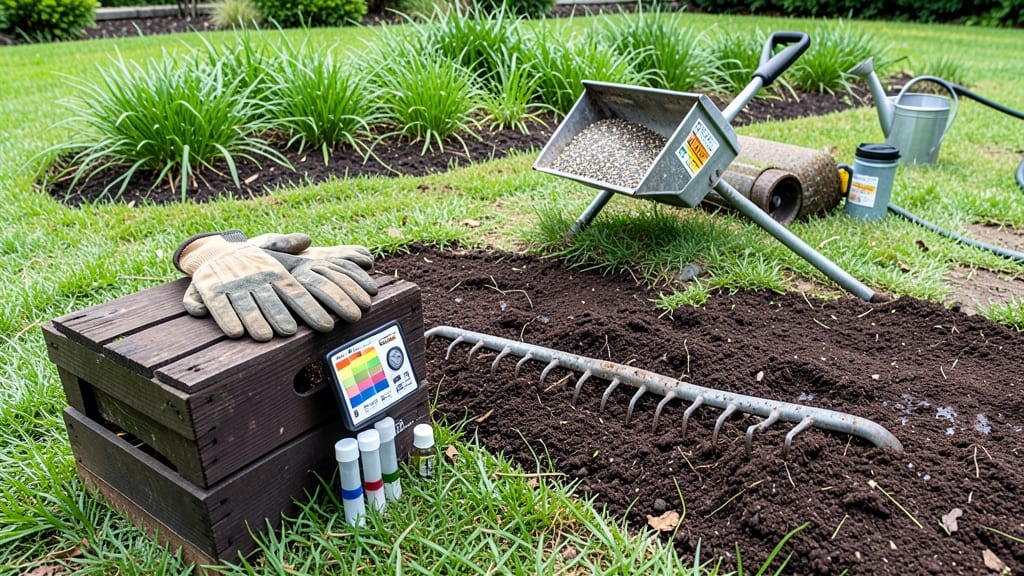
Planting your Georgia lawn at the wrong time can mean the difference between a vibrant, lush carpet of 🌱 Grass (Turfgrass) and a frustrating battle with patchy, slow-growing grass.
The best time to plant grass in Georgia isn’t just about the calendar—it’s about aligning with soil temperatures, rainfall patterns, and your local microclimate.
If you’ve ever stared at your yard in frustration during the dog days of summer or the chilly snap of winter, wondering why your grass just won’t take, you’re not alone. Georgia’s 7a-8b climate zones create unique challenges, but timing your planting right can set you up for success.
Early spring and early fall are your golden windows, but there’s more to it than just picking a month.
I’ve seen firsthand how a well-timed planting can transform a struggling lawn into a thick, green masterpiece. The key? Understanding when the soil is warm enough, when the rains are reliable, and how your region’s climate quirks—like North Georgia’s cooler springs or South Georgia’s extended summers—play into the equation.
Let’s break down exactly when to plant for the best results, how to prep your soil, and what mistakes to avoid so your grass not only survives but thrives in Georgia’s ever-changing weather. Ready to turn your yard into the envy of the neighborhood?
Optimal Georgia grass planting windows by month: soil temperature & rainfall guide
Georgia’s diverse climate—from the cooler Appalachian foothills in the north to the humid subtropical south—means cool-season and warm-season grasses thrive in different windows. Planting at the wrong time risks poor germination, weed competition, or drought stress.
Let’s break down the ideal months, soil temperatures, and rainfall patterns for each Georgia region to ensure your lawn takes root like a dream.
For cool-season grasses like tall fescue and Kentucky bluegrass, the sweet spot is early spring (March-April) or early fall (August-September). These grasses need soil temps between 50°F and 65°F to germinate properly.
Meanwhile, warm-season grasses such as Bermuda and Zoysia prefer late spring (May-June) when soil temps hit 65°F+ and stay there.
Here’s where Georgia’s three distinct regions come into play: North Georgia’s cooler climate shifts planting windows earlier, while South Georgia’s heat extends them later. Rainfall also plays a critical role—August-September often brings ideal moisture for fall plantings, but summer droughts can derail spring efforts in drier areas.
| Region | Best Planting Window | Soil Temp Threshold | Rainfall Needs | Grass Type |
|---|---|---|---|---|
| North Georgia | March 15–April 15 August 15–September 15 |
50°F–65°F (cool-season) 65°F+ (warm-season) |
1–1.5 inches/week (Spring rain + irrigation) |
Tall fescue, Kentucky bluegrass, Bermuda |
| Central Georgia | March 30–April 30 August 1–September 15 |
55°F–65°F (cool-season) 70°F+ (warm-season) |
0.75–1.25 inches/week (Summer drought watch) |
Zoysia, Centipede, St. Augustine |
| South Georgia | April 15–May 15 July 15–September 1 |
60°F–70°F (cool-season) 75°F+ (warm-season) |
1–2 inches/week (Humidity + heat = higher evaporation) |
Bermuda, Centipede, Bahiagrass |
In North Georgia (USDA Zones 7a–7b), cooler nights mean you can start cool-season grasses in mid-March, but wait until late April for warm-season varieties. The region’s higher rainfall in spring (1.5+ inches/week) reduces irrigation needs, but August’s heat can stress new seedlings if soil stays dry.
Central Georgia (Zone 7b–8a) offers a 2-week grace period later than the north for both cool- and warm-season grasses. Here, May’s heat spikes often delay warm-season planting until June 1, while fall plantings benefit from September’s tropical moisture. Skip planting in July’s drought-prone weeks unless you’re committed to daily watering.
Down in South Georgia (Zone 8a–8b), warm-season grasses dominate, and the window stretches into early May thanks to slower cooling.
However, Centipede grass, a local favorite, hates competition—plant it in April before weeds wake up. September’s humidity is ideal for cool-season prep, but avoid planting after September 15 to prevent fall frost damage.
Pro tip: Use a soil thermometer to confirm temps before planting. Cool-season grasses need consistent 50°F+ soils for 3+ days, while warm-season types won’t germinate below 65°F. Check the National Weather Service’s Atlanta forecast for 7-day rainfall predictions—aim for 0.5 inches/week post-planting to keep seeds moist.
If you’re in Zone 7a (North GA), late April is your last chance for warm-season grasses before summer’s brutal heat sets in. Meanwhile, Zone 8b (South GA) gardeners can push Centipede grass into early June with drip irrigation.
Always test soil pH (6.0–7.0 ideal) and loosen compacted areas before seeding—Georgia’s clay-heavy soils need aeration for roots to breathe.
Remember: Fall plantings often outperform spring ones because cooler temps reduce weed pressure and rainfall is more reliable. For Bermuda grass, late August is perfect—seeds germinate as summer’s heat fades, and roots establish before
How to Prepare your Georgia lawn for planting: soil, sunlight & seed selection tips
Preparing your Georgia lawn for planting isn't just about tossing seeds and hoping for the best. The Peach State's unique climate, with its hot summers and mild winters, demands careful planning.
Whether you're establishing a new lawn or overseeding an existing one, these soil, sunlight, and seed selection tips will set you up for success. Let's break down the essential steps to create the perfect foundation for your grass.
First, you'll want to focus on soil preparation. Georgia's soil can vary dramatically from clay-heavy in the north to sandy in the south. Start by testing your soil's pH level—most grasses thrive in a range of 6.0 to 7.0.
If your soil is too acidic or alkaline, you'll need to amend it with lime (to raise pH) or sulfur (to lower it). This step is crucial because even the best grass seeds won't germinate properly in poor-quality soil.
Next, let's talk sunlight requirements. Most Georgia lawns need at least 6 hours of direct sunlight daily for optimal growth. However, some shade-tolerant varieties like Fine Fescue can handle partial shade.
Before planting, observe your yard's sunlight patterns throughout the day. If you notice areas with less than 4 hours of sun, consider planting shade-tolerant grasses or using ground covers instead.
- 1 Test soil pH before planting—aim for 6.0-7.0. Use a home test kit or send a sample to your local Cooperative Extension office for professional analysis.
- 2 Choose grass type based on your climate zone. Warm-season grasses (Bermuda, Zoysia) thrive in Georgia's heat, while cool-season grasses (Tall Fescue) handle winter better.
- 3 Prepare soil by removing debris, tilling to 6 inches deep, and mixing in 2-3 inches of compost or aged manure for nutrients.
- 4 Level the ground and rake to create a smooth, firm seedbed. Fill low spots with topsoil and level high spots to prevent water pooling.
- 5 Select seeds based on your yard's sunlight exposure. Bermuda grass needs full sun, while Fine Fescue tolerates partial shade.
When selecting seeds, consider your Georgia climate zone. Northern Georgia (USDA zones 7a-7b) benefits from cool-season grasses like Tall Fescue or Kentucky Bluegrass, which handle cooler winters better. Meanwhile, Southern Georgia (zones 8a-8b) thrives with warm-season grasses like Bermuda or Zoysia, which stay green through hot summers.
Mixing grass types can also improve resilience—just ensure they have compatible growing conditions.
Don't overlook the importance of seed quality. Purchase certified seeds from reputable suppliers to avoid weeds or low-germination rates. For new lawns, use a starter fertilizer with a high phosphorus content (like 10-20-10) to encourage strong root development.
Apply it at planting time, then follow up with a balanced fertilizer every 6-8 weeks during the growing season.
Finally, watering plays a critical role in establishing your new lawn. After planting, keep the soil consistently moist (about 1 inch per week) for the first 4-6 weeks. Water deeply in the early morning to reduce evaporation and fungal risks.
Avoid shallow watering, which encourages shallow roots. Once your grass reaches 3 inches tall, you can gradually reduce watering frequency while maintaining 1 inch per week during dry spells.