
Plants
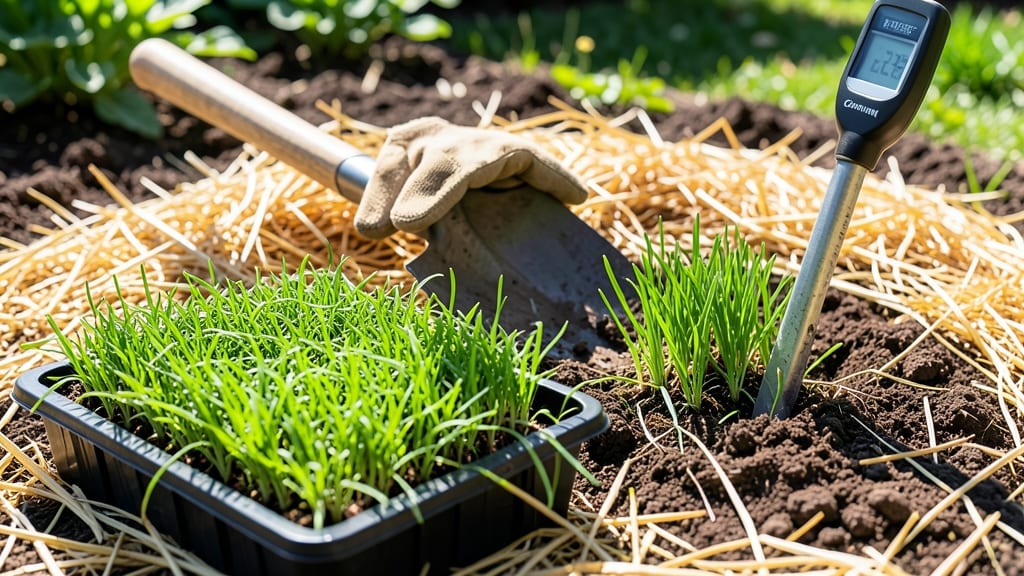
Planting Bermuda grass 🌱 at the wrong time in North Georgia can mean the difference between a lush, green lawn and one that struggles to take root. With the region's USDA Zones 7a-8a and unpredictable spring weather, getting the timing right is crucial for success.
Most gardeners know Bermuda grass thrives in heat, but did you know the soil temperature must reach at least 65°F for proper germination? That means waiting until after the last frost date—typically around mid-March—but planting too early can lead to weak growth or even failure.
In North Georgia, the best windows are late April to early June in spring or early August to early September in fall. Each option has unique advantages, from faster establishment in spring to better drought resistance when planted in fall.
Whether you're starting from seed or laying sod, I'll break down the exact steps to ensure your Bermuda grass takes hold—plus how to prepare your soil for North Georgia's clay-heavy conditions. Let's get your lawn off to the best possible start.
Optimal planting windows for Bermuda grass in North Georgia’s climate
North Georgia’s USDA Zones 7b-8a provide ideal conditions for Bermuda grass—but timing your planting is critical. The Piedmont region (Athens, Macon) and mountain areas (Blue Ridge) have different microclimates that shift optimal windows. For best results, focus on soil temperatures above 80°F and avoid frost-prone periods.
Bermuda grass thrives in late spring (April–June) and early fall (August–September). Spring planting works in Zone 8a where frost risk is lower, while Zone 7b gardeners should prioritize fall planting to avoid winter dieback. The key difference? Fall planting aligns with Bermuda’s natural dormancy cycle, reducing stress.
Soil temperature is your best guide—wait until it consistently stays above 80°F at 4 inches deep. In North Georgia’s Piedmont, this typically happens by mid-April, while mountain regions may need to wait until late May. Use a soil thermometer to confirm before planting.
Here’s how North Georgia’s microclimates affect timing:
| Planting Window | Best For | Soil Temp Requirement | Establishment Time | Weed Competition Risk |
|---|---|---|---|---|
| Late April–Early June | Piedmont (Zone 8a) | ≥80°F (by mid-April) | 6–8 weeks | High (spring weeds) |
| Late May–Early June | Mountain (Zone 7b) | ≥80°F (by late May) | 8–10 weeks | Moderate (cooler temps slow weeds) |
| Early August–Early September | All Regions (Best Overall) | ≥75°F (soil cools by fall) | 4–6 weeks (faster in fall) | Low (weeds dormant) |
Fall planting (August–September) is my top recommendation for North Georgia because Bermuda grass enters dormancy naturally as temperatures drop. This reduces water needs and weed competition, giving your lawn a head start in spring.
In Zone 7b, aim for early September to ensure roots establish before frost.
If you choose spring planting, act fast—Bermuda grass germinates quickly but struggles with summer heat if not established by June. In Zone 8a (Piedmont), plant by mid-April to avoid drought stress. Mountain regions should delay until late May to prevent frost damage.
Pro tip: Use sod over seed in North Georgia’s hot summers—sod establishes 3x faster and outcompetes weeds. If seeding, apply a pre-emergent herbicide 2 weeks before planting to block crabgrass and other weeds.
Regardless of season, water deeply after planting—1–1.5 inches per week—and avoid walking on new sod until roots bond (about 2–3 weeks
For mountain gardeners, monitor frost dates closely. In Zone 7b, late September plantings may not fully establish before winter. If you miss the fall window, wait until late spring (May) to plant, but expect slower growth during summer heat. Remember: Bermuda grass spreads aggressively—plan for 1–1.5 feet of mature height and full sun exposure. Shade from trees will leave your lawn thin and patchy. With the right timing and care, you’ll have a lush, green lawn that outshines neighbors’ struggling grass varieties. 🌱
Spring vs. fall planting: pros, cons, and success factors for North Georgia
Deciding between spring and fall planting for Bermuda grass in North Georgia depends on your priorities—whether it’s faster establishment or long-term resilience. Both seasons offer advantages, but local climate factors like USDA Zone 7b-8a and Bermuda’s dormancy cycle play critical roles in success.
Spring planting (March-April) gives Bermuda grass a head start, but it faces weed competition and requires aggressive irrigation during summer heat. Fall planting (August-September), however, aligns with Bermuda’s natural dormancy, reducing stress and promoting deeper root growth before winter. Let’s break down the key factors for each season.
Spring Planting (March-April)
- Faster germination (2-3 weeks)
- Longer growing season before winter
- Easier weed control in early spring
- High irrigation needs in summer
- Weed competition peaks in late spring
- Heat stress risks for seedlings
- Pre-emergent herbicide before planting
- Deep watering (1-1.5 inches/week)
- Mulch to retain moisture
Fall Planting (August-September)
- Reduced weed pressure in fall
- Deeper root growth before winter
- Lower water needs as temps drop
- Slower initial growth (4-6 weeks)
- Frost risk if planted too late
- Limited time for establishment
- Plant by mid-September for root establishment
- Light fertilization in late summer
- Protect from early frost with mulch
For North Georgia’s climate, fall planting often yields stronger, more drought-resistant Bermuda grass because it avoids the brutal summer heat. However, if you’re replacing an existing lawn, spring planting may be necessary to outcompete weeds early.
Always test your soil temperature—Bermuda grass needs at least 65°F soil to germinate successfully.
Regardless of season, consistent moisture and proper soil prep are non-negotiable. In my experience, fall-planted Bermuda grass in Zone 7b often enters winter with a 20% stronger root system than spring-planted grass, thanks to cooler temperatures and reduced stress. That’s a game-changer for summer recovery!
Pro tip: If you’re unsure, plant in both spring and fall—use sod for spring and seed for fall. This hybrid approach gives you the best of both worlds while minimizing risks.
Just remember, Bermuda grass thrives on full sun and well-draining soil, so prioritize those conditions above all else. 🌱