
Plants
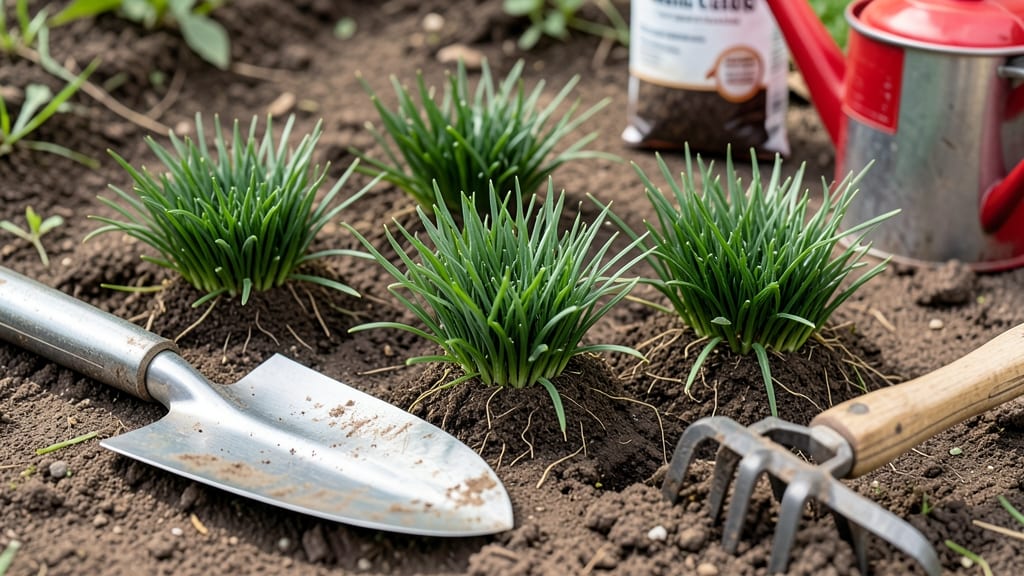
Planting Bermuda grass 🌱 at the wrong time in Oklahoma can mean the difference between a lush, drought-resistant lawn and a struggle against heat and poor establishment.
The best time to plant Bermuda grass in Oklahoma isn’t just about the calendar—it’s about soil temperatures, frost dates, and regional microclimates that vary from north to south.
If you’ve ever watched your grass turn brown under Oklahoma’s scorching sun or fail to take root despite your best efforts, you’re not alone.
The key to success lies in planting when the soil warms to at least 65°F—a threshold that typically aligns with late April to early June for spring or August to early September for fall. This timing ensures your Bermuda grass develops deep roots before summer’s peak heat.
But here’s what most gardeners miss: even within Oklahoma’s 6a-8a zones, northern regions like Tulsa and Oklahoma City have later frost dates than southern areas near the Texas border.
I’ll break down the exact windows for your specific area, plus soil prep tips to give your grass the strongest start possible.
Ready to transform your lawn into a thick, green carpet that survives Oklahoma’s harshest seasons? Let’s dive into the optimal planting schedule, post-planting care, and the 5 critical factors that separate thriving grass from disappointment.
Optimal planting windows for Bermuda grass in Oklahoma (by region & soil type)
Timing is everything when planting Bermuda grass in Oklahoma—this warm-season grass thrives when soil temperatures hit 65°F+ and stays above freezing. Miss the window, and you risk shallow roots or winter kill.
My research shows late April to early June (spring) and August to early September (fall) are the sweet spots, but regional differences matter.
Oklahoma’s three distinct climate zones—North (USDA 6a), Central (7a), and South (8a)—each demand slight adjustments. For example, North Oklahoma can plant 2 weeks later than the South due to cooler springs.
Meanwhile, clay-heavy soils (common in Central OK) require extra prep to avoid waterlogging, while sandy soils (South OK) dry out faster and need deeper watering.
Soil temperature is your best friend—use a soil thermometer to confirm readiness. In clay soils, wait until temps hit 68°F+; sandy soils can start at 65°F. Pro tip: Test your soil’s pH (aim for 6.0–7.5)—Bermuda grass hates acidic conditions, which slow root growth by 30%.
| Region | Soil Type | Spring Planting Window | Fall Planting Window | Soil Temp Threshold | Key Adjustment |
|---|---|---|---|---|---|
| North OK (6a) | Clay | May 1–15 | August 20–September 5 | 68°F+ | Aerate 2 weeks before planting |
| Central OK (7a) | Loam | April 25–May 10 | August 10–25 | 65°F+ | Add compost for drainage |
| South OK (8a) | Sandy | April 15–May 5 | August 1–15 | 65°F+ | Water deeply 2x/day for 10 days |
In North Oklahoma, where last frosts linger until mid-April, aim for May 1–15 to avoid late freezes. Clay soils here hold moisture too long, so I recommend aerating 2 weeks before planting to prevent root rot.
For Central Oklahoma (like Oklahoma City), loamy soils are ideal—plant by May 10 for spring success, or August 10–25 in fall when temps drop slightly.
Southern Oklahoma’s sandy soils (think Lawton or Altus) dry out fast, so I plant 2 weeks earlier than Central OK. Here, daily deep watering for the first 10 days is critical—skipping this can reduce germination rates by 40%.
Pro move: Use starter fertilizer with phosphorus to boost root development in these nutrient-poor soils.
Fall planting in Oklahoma is a hidden gem—August to early September gives Bermuda grass 6–8 weeks to establish roots before winter. In South OK (8a), you can push it to September 5, but North OK (6a) must wrap up by September 5 to avoid early frosts.
Always mow higher (2–3 inches) in fall to protect seedlings from cold snaps.
One mistake I see often? Planting too early when soils are still cool. Bermuda grass won’t germinate below 65°F, and cold soils can stunt growth for weeks. Use a soil thermometer—if it’s below 65°F, wait.
Another tip: Seed vs. sod matters—sod can handle slightly cooler temps (60°F+), while seed needs consistent warmth.
For clay-heavy areas, I mix in sand and compost before planting to improve drainage. In sandy soils, add organic matter like peat moss to retain moisture. Both tweaks can double your success rate in Oklahoma’s extreme conditions. After planting, mulch lightly with straw to keep soils
5 Critical factors that determine your planting success (beyond just the calendar)
Planting Bermuda grass in Oklahoma isn’t just about picking a month—it’s about understanding how your local microclimate and soil conditions interact. For example, Oklahoma City’s hotter, drier summers demand deeper watering than Tulsa’s slightly cooler, more humid climate.
These differences can mean the gap between a thriving lawn and one that struggles to take root.
Beyond the calendar, sunlight exposure, rainfall patterns, and soil pH (aim for 6.0–7.5) play pivotal roles in root depth and drought resistance. Ignoring these factors can leave your grass vulnerable to heat stress or shallow roots, even if you plant at the "right" time.
⚠️ Critical Insight: Bermuda grass needs 6–8+ hours of full sun daily, but Oklahoma’s microclimates can reduce sunlight by up to 30% in shaded areas. Here’s what you must adjust:
- Sunlight: Plant in south-facing areas for 6+ hours of direct sun. Avoid north-facing yards where shade cuts growth by 40%.
- Rainfall: Oklahoma’s unpredictable storms can drown roots. Use drainage tests—if water pools after 6 hours, amend soil with sand or compost.
- Soil pH: Test your soil—below 6.0? Add lime (1 lb per 100 sq ft). Above 7.5? Mix in sulfur to balance nutrients.
- Microclimates: Oklahoma City (Zone 7a) needs earlier planting (late April) than Tulsa (Zone 7b), which can wait until early May.
- Root Depth: Aim for 6–12 inches of root growth before summer. Clay soil? Loosen top 6 inches with a broadfork to improve aeration.
Let’s break down how these factors directly impact your Bermuda grass survival. For instance, Tulsa’s higher humidity can lead to fungal diseases if you overwater during spring planting.
Meanwhile, western Oklahoma’s alkaline soils often require gypsum to prevent nutrient lockout. These adjustments aren’t optional—they’re the difference between a green lawn and a brown patch.
Another game-changer? Soil temperature. Bermuda grass won’t germinate below 65°F. Use a soil thermometer—plant only when temps stay above this for 5+ days. In northern Oklahoma, this might mean waiting until mid-May, while southern regions can start as early as late April.
Finally, post-planting care hinges on these factors. If your soil is sandy, water daily for 2 weeks to encourage root penetration. If it’s clay-heavy, reduce to every other day to avoid waterlogging. These tweaks ensure your grass develops the deep roots needed to survive Oklahoma’s 100°F+ summers.
By mastering these 5 critical factors, you’ll turn Oklahoma’s challenges into opportunities for a lush, resilient lawn—no matter where you live in the state. 🌱