
Plants
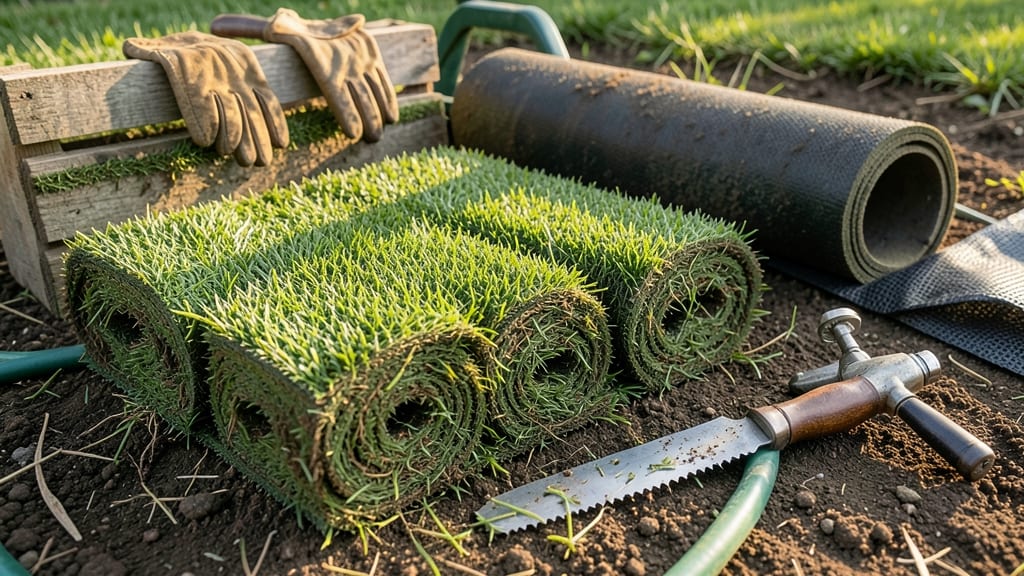
Planting Bermuda grass sod in Georgia isn’t just about grabbing a roll and dropping it in the dirt—it’s about timing your move to give those roots the best shot at thriving in our brutal summers and unpredictable springs.
If you get the schedule wrong, you’ll end up with weak, shallow roots that struggle during droughts or even die back before winter. The key to a lush, deep-rooted lawn?
Planting when soil temperatures hit 65°F or warmer, typically between March and May, but with some critical adjustments depending on whether you’re in North or South Georgia.
Most homeowners assume spring is the only option, but fall can actually work too—if you play it smart.
I’ll break down exactly when to plant in your specific county, how to prep your soil for success, and the 3 biggest mistakes that send lawns into decline before they even take hold.
Whether you’re replacing a patchy lawn or starting fresh, this guide will help you avoid costly errors and get your Bermuda grass 🌱 established strong enough to handle Georgia’s heat without breaking a sweat.
Optimal planting windows for Georgia: spring vs fall for Bermuda grass sod
Georgia’s humid subtropical climate creates a tricky balance for Bermuda grass sod—too early, and frost can damage tender roots; too late, and summer heat stresses new growth. The ideal window depends on whether you plant in spring (March–May) or fall (September–October), each with distinct advantages and risks.
Let’s break down the science behind timing to help your lawn thrive.
Spring planting (March–May) aligns with Bermuda grass’s natural growth cycle, but soil temperatures must reach 65–70°F for roots to establish. In North Georgia (USDA Zone 7a), this typically means waiting until mid-April to avoid late frosts, while South Georgia (Zone 8a–8b) can start as early as late March.
The trade-off? Spring plantings benefit from longer daylight hours but face intense summer heat that demands extra watering.
Fall planting (September–October) offers cooler temps and reduced stress, but the window is narrow—plant too late, and roots won’t establish before winter dormancy. September is ideal for North Georgia, while South Georgia can extend into early October. Fall-sown sod often outperforms spring in drought resistance because roots mature before summer’s peak heat arrives.
For North Georgia growers, the fall window (September) is often the safest bet—cooler temps reduce heat stress, and roots have 6–8 weeks to establish before winter dormancy.
In South Georgia, where winters are milder, you can push fall planting into early October, but avoid planting after mid-October—roots won’t recover from winter’s chill.
If you choose spring planting, prioritize soil prep in February (test pH, amend with compost) and wait until soil temps hit 65°F before installing sod. Use a soil thermometer to track progress—planting too early risks shallow roots that bake in summer heat.
Pro tip: Water deeply 2x daily for the first 2 weeks to encourage root penetration.
Regional microclimates add another layer of complexity. For example, Atlanta’s urban heat islands can push soil temps 5–10°F higher than rural areas, meaning you might plant 2–3 weeks earlier in city neighborhoods. Conversely, mountainous North Georgia (e.g., Blue Ridge) may need to delay until late April to avoid late frosts.
One common mistake? Assuming “spring” means March. In Zone 7a, March soil temps often hover around 55°F, which is too cold for Bermuda grass.
Wait for consistent 65°F+ readings—typically mid-April—before laying sod. For fall, September 15th is a safer cutoff than October 1st, especially in North Georgia.
To decide between spring and fall, ask yourself: Do you need a quick summer lawn (spring) or long-term drought resistance (fall)? For most Georgia homeowners, fall planting delivers the best balance of root depth, heat tolerance, and minimal maintenance during the critical first year.
Regardless of timing, post-planting care is non-negotiable. After installation, water 1 inch daily for 2 weeks, then taper to 2–3x weekly once roots establish. Apply a starter fertilizer (high nitrogen) within 48 hours of planting to jumpstart growth. And remember: Bermuda grass is
Critical factors that determine the best planting month in your Georgia county
Georgia’s USDA hardiness zones 7a–8b create microclimates where Bermuda grass sod thrives in different months. The last frost date (March 1–15) and soil temperature thresholds (65°F+) are your best guides—plant too early, and frost will kill tender roots; too late, and summer heat stress weakens establishment.
Your county’s rainfall patterns also matter. Southern Georgia (e.g., Savannah) gets more summer rain, while Northern Georgia (e.g., Atlanta) faces drier springs. Adjust watering to match local conditions—drought-prone areas need extra moisture during establishment.
Heat spikes in June–August can stress newly laid sod, so aim for spring planting (March–May) when temperatures are warming but not extreme. Fall planting (September–October) works in cooler Zone 7a areas but risks fungal issues in humid Zone 8b.
| County/Zone | Best Planting Window | Soil Temp Threshold | Key Risk |
|---|---|---|---|
| Atlanta (7a) | March 15–April 30 | 65°F+ | Late frost damage |
| Macon (7b) | March 1–May 15 | 65°F+ | Summer heat stress |
| Savannah (8a) | February 15–April 15 | 68°F+ | Fungal growth |
| Valdosta (8b) | January 15–March 15 | 70°F+ | Extreme heat spikes |
For Atlanta (Zone 7a), prioritize late March–April when frost risk drops but soil warms. In Savannah (Zone 8a), start as early as February to beat summer humidity. Macon (Zone 7b) straddles both—plant in March–early May for balance.
Test soil temperature with a soil thermometer before planting—Bermuda grass roots won’t establish below 65°F. In drought-prone areas, schedule irrigation for deep watering (1 inch/week) until roots reach 4–6 inches deep (typically 4–6 weeks post-planting).
Pro tip: Mulch lightly after planting to retain moisture, but avoid thick layers that smother sod. Monitor local heat advisories—if temperatures exceed 95°F during establishment, provide afternoon shade with shade cloth until roots strengthen.