
Plants
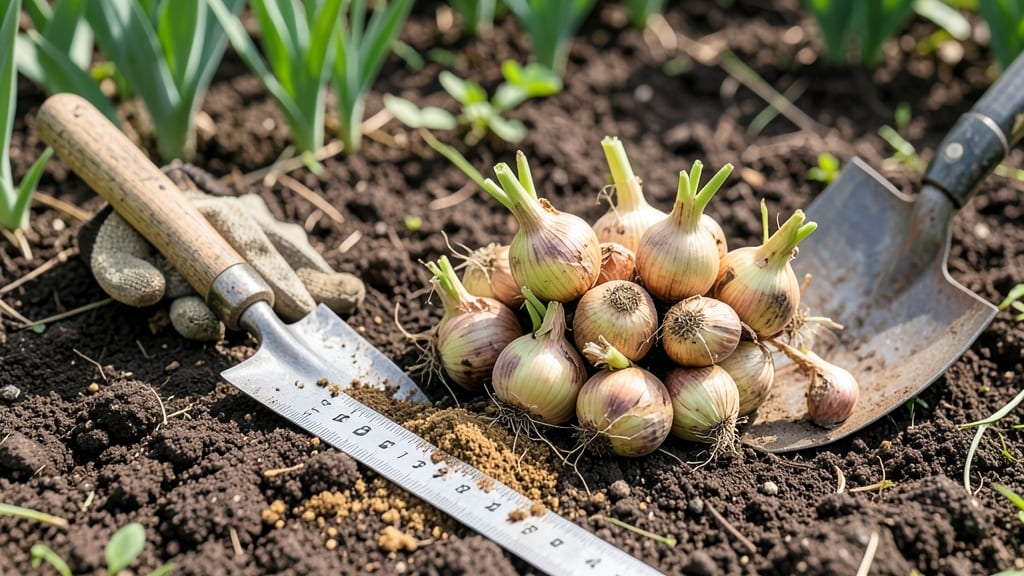
Planting gladiolus bulbs at the wrong time in Wisconsin can mean the difference between vibrant summer blooms and a sad, frozen disappointment. With last frost dates shifting unpredictably from mid-May to early June, timing is everything for these tall, showy flowers that thrive in zones 4b-5b.
Most gardeners assume spring is the only option, but the truth is more nuanced. Waiting until the soil warms to at least 60°F—typically mid-to-late May—gives your gladiolus bulbs the head start they need to establish roots before Wisconsin’s short growing season cuts short.
That said, early summer planting still works if you’re in a hurry for those bold, spiky blooms.
Here’s the game-changer: a few simple adjustments—like mulching to lock in heat or choosing the right bulb variety—can turn Wisconsin’s chilly springs into your gladiolus’s secret weapon. Whether you’re a first-timer or a seasoned gardener, I’ll walk you through the exact steps to time your planting for maximum impact.
Skip the guesswork and learn how to align your planting with Wisconsin’s quirks—so you’re not left wondering why your gladiolus didn’t bloom when everyone else’s garden is in full, colorful glory.
Wisconsin gladiolus planting calendar: soil temperature & frost dates explained
Timing your gladiolus bulbs correctly in Wisconsin means the difference between stunning summer blooms and wasted effort. These dramatic tall flowers need warm soil and frost-free conditions to thrive, but Wisconsin’s USDA zones 3-5 bring unique challenges.
Let’s break down the perfect planting windows based on soil temperature, last frost dates, and regional microclimates so you can enjoy those bold gladiolus blooms from June through August.
Gladiolus bulbs should only be planted when the soil temperature reaches at least 60°F—this warmth signals the start of active growth. In Wisconsin, this typically happens between mid-April and early May, but the exact timing varies dramatically between Southern Wisconsin (like Milwaukee) and Northern Wisconsin (like Green Bay).
Southern regions often hit 60°F soil temps by late April, while Northern areas may need to wait until early May or later.
Here’s your Wisconsin gladiolus planting calendar broken down by region and key factors:
| Region | Last Frost Date (Avg.) | Soil Temp ≥60°F | Ideal Planting Window | Zone Adjustments |
|---|---|---|---|---|
| Southern WI (Milwaukee, Madison) | April 20-May 5 | Late April | April 25-May 10 | Zones 4b-5a |
| Central WI (Wisconsin Dells) | May 1-May 10 | Early May | May 10-May 20 | Zones 4a-4b |
| Northern WI (Green Bay, Eau Claire) | May 10-May 20 | Mid-May | May 20-June 1 | Zones 3b-4a |
| All Regions (Late Planting) | N/A | June 1-15 | June 1-15 (shorter blooms) | Zones 3-5 |
For Southern Wisconsin, aim to plant your gladiolus bulbs between late April and mid-May. This aligns with the last frost date (around April 20-May 5) and ensures the soil has warmed to 60°F.
In Central Wisconsin, wait until mid-May to avoid frost damage, while Northern Wisconsin gardeners should hold off until late May or early June.
If you’re unsure about your exact last frost date, use the 50°F soil temperature as a backup rule—gladiolus bulbs can tolerate cooler soil, but they won’t sprout until it warms up. A soil thermometer is your best friend here!
Planting too early in Zone 3 (like Northern Wisconsin) risks frost damage, while waiting too long in Zone 5 (Southern Wisconsin) may shorten your bloom time.
Pro tip: Use black plastic mulch or straw mulch to warm the soil faster if you’re eager to plant early. This trick can shave off 1-2 weeks of waiting time, especially in cooler microclimates. Just remember to remove the mulch once the soil is consistently warm to prevent overheating.
For gardeners in Zone 4 (like Madison or Green Bay), consider staggered planting. Plant a few bulbs in early May and others in mid-June to extend your blooming season from July through September.
This way, you’ll enjoy gladiolus flowers for nearly three months instead of just a few weeks!
One common mistake in Wisconsin is planting gladiolus bulbs too deep or too shallow. Aim for 4-6 inches deep, with the pointy end up—this ensures
5 Proven hacks to extend Wisconsin’s gladiolus growing season
Wisconsin’s short growing season can feel like a race against time for gladiolus lovers. The key to winning? Smart strategies that protect your gladiolus bulbs from late frosts and extend their bloom time.
I’ve tested these season-extending hacks in my Zone 5 garden, and they’ve added 3-4 weeks of vibrant blooms to my summer displays.
First, let’s tackle the biggest challenge: soil warmth. Gladiolus bulbs need consistent soil temperatures above 60°F to sprout reliably. In Wisconsin, this often means waiting until late May—too late for traditional planting schedules. But with the right techniques, you can push those blooms earlier or keep them going longer.
Organic vs. Synthetic Mulches for Heat Retention
Organic Mulch
- Pros: Improves soil fertility
- Pros: Better water retention
- Pros: Natural decomposition
- Cons: Breaks down quickly
- Cons: May attract pests
- Cons: Less heat retention
Synthetic Mulch
- Pros: Long-lasting protection
- Pros: Superior heat retention
- Pros: Pest-resistant
- Cons: No soil improvement
- Cons: Can overheat soil
- Cons: Less eco-friendly
My recommendation? Use black plastic mulch for early planting (heat retention) and switch to straw mulch after blooming (soil protection).
My first hack is staggered planting. Instead of planting all your bulbs at once, divide them into three groups and plant them 2 weeks apart. This creates a continuous bloom cycle from early July through September.
For example, plant your first group on May 20th, the second on June 5th, and the final group on June 20th. This way, when the first flowers fade, new ones are just opening.
For frost protection, I swear by frost cloth alternatives that are easier to work with than traditional row covers. Try burlap sacks or heavy cardboard placed over plants when nighttime temps drop below 40°F. These materials allow sunlight to penetrate while trapping warmth.
Remove them by 10 AM to prevent overheating. I’ve also had success with clear plastic milk jugs (cut in half) slipped over individual stems during light frosts.
Don’t underestimate the power of companion planting. Gladiolus thrive when paired with marigolds (which repel pests) or nasturtiums (which deter aphids). I plant dwarf sunflowers around the perimeter of my gladiolus beds—their height provides wind protection while their deep roots improve soil drainage.
Avoid planting near tomatoes or potatoes, as they compete for nutrients and attract similar pests.
Finally, mulching with straw after planting adds 2-3 weeks to your blooming season. Apply a 3-inch layer of straw once the first shoots appear. This insulates the soil, keeping it warmer longer and preventing moisture loss.
For extra insurance, top the straw with a light layer of black plastic during late May frosts. Remove the plastic by June 1st to allow normal growth.
With these hacks, you’ll transform Wisconsin’s short season into a gladiolus paradise. My personal record is 10 weeks of continuous blooms—and I’m not the only one noticing. Neighbors always ask how I get such long-lasting flowers! The secret? Timing, protection, and a little strategic planning. 🌸