
Plants
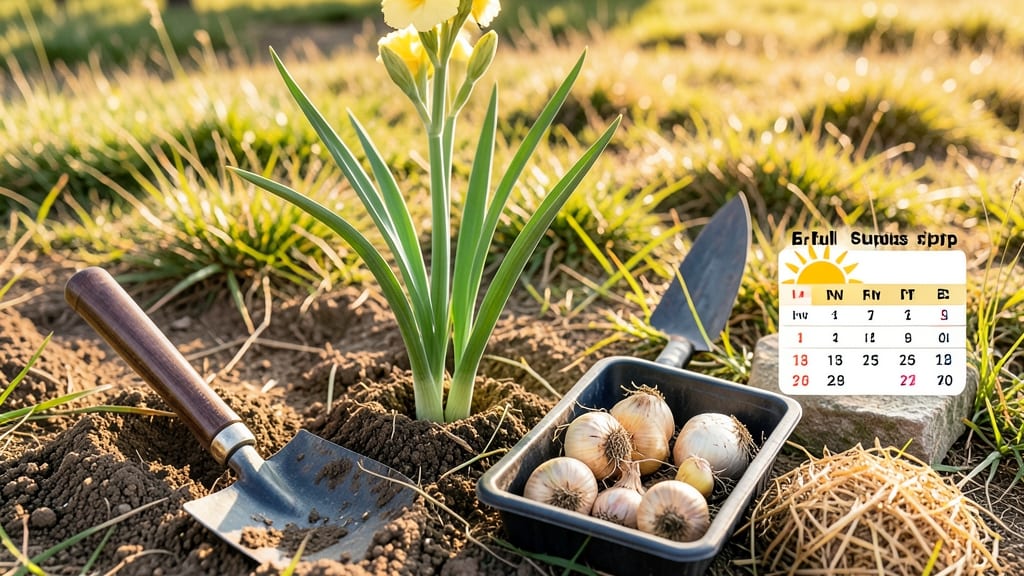
Planting gladiolus bulbs at the wrong time in Oklahoma means missing out on those show-stopping summer blooms—and nobody wants that! These striking 🌸 flowers thrive in your state’s heat, but they need the perfect window to take root before the real summer kicks in.
For Oklahoma’s USDA Zones 6b-7a, the ideal planting window opens in late March and stretches through early May, right after your last frost date.
This timing ensures your gladiolus bulbs get the cool soil they crave while still having plenty of time to establish roots before the scorching heat arrives.
Why does this matter? Because planting too early risks frost damage, while waiting too long can leave your garden looking bare when your neighbors’ blooms are already in full swing.
I’ll walk you through the exact steps to time it perfectly—so you can enjoy those bold, dramatic spikes of color from July right through September.
Let’s dive into the best months, soil prep tricks, and care tips that’ll have your gladiolus standing tall and proud in Oklahoma’s summer sun. Trust me, your garden will thank you!
Best months to plant gladiolus bulbs in Oklahoma’s climate zones
Oklahoma’s USDA Zones 6b-8a create unique challenges for gladiolus growers. Unlike northern states, our long, hot summers and variable frost dates demand precise timing. Plant too early, and bulbs may rot in cold soil; too late, and you’ll miss the July-September bloom season entirely.
The key is understanding your specific zone’s last frost date and soil temperature thresholds.
For most of Oklahoma, the ideal planting window spans from late March through early May. However, northern zones (like 6b in Oklahoma City) may need to wait until mid-April, while southern areas (like 8a in Lawton) can start as early as late February.
Let’s break down the exact timing for each zone to ensure your gladiolus bulbs thrive.
🌱 Critical soil temperature: Gladiolus bulbs need soil that’s at least 60°F (15°C) before planting. In Oklahoma, this typically aligns with 2-4 weeks after our average last frost date. Use a soil thermometer to verify—this small investment prevents wasted bulbs.
Here’s your zone-specific planting schedule, including frost-free date calculations and optimal bloom timing for maximum impact in your garden:
| USDA Zone | Avg Last Frost | Best Planting Window | Soil Temp Threshold | Bloom Season |
|---|---|---|---|---|
| 6b (Oklahoma City, Tulsa) | March 20 | April 15-May 1 | 60°F+ (15°C) | July 15-Sept 15 |
| 7a (Stillwater, Ardmore) | March 10 | March 30-April 15 | 60°F+ (15°C) | July 1-Sept 10 |
| 7b (Wichita Falls) | March 5 | March 20-April 5 | 60°F+ (15°C) | June 25-Aug 30 |
| 8a (Lawton, Altus) | February 25 | February 20-March 15 | 55°F+ (13°C) | June 15-Aug 20 |
🌸 Pro Tip: Southern zones (8a) can extend planting into early June for late-season blooms, but expect smaller flowers.
Notice how bloom timing shifts based on planting month? In Zone 6b, early April plantings yield mid-July blooms, while Zone 8a gardeners enjoy June flowers from February plantings. This variation lets you stagger plantings for continuous color—just like professional gardeners do!
For Zone 6b gardeners, mark your calendar for April 15 as the absolute latest planting date. Any later, and your gladiolus may not mature before Oklahoma’s early September heat stunts growth. Use black plastic mulch to warm soil faster if you’re pushing the deadline.
In Zone 8a, where winters are milder, you can even experiment with fall plantings (October-November) for spring blooms. However, this requires well-draining soil to prevent bulb rot during our winter rains.
Test your soil’s drainage by digging a 6-inch hole and filling it with water—if it doesn’t drain within 2 hours, amend with sand or perlite.
🌡️ Heat tolerance tip: Oklahoma’s summer heat (often exceeding 95°F) can stress gladiolus. To combat this, plant heat-tolerant varieties like 'Green Star' or 'Picasso' and provide afternoon shade during peak heat. Water deeply at the base of plants in the morning to encourage strong root development.
One common mistake is planting gladiolus too shallowly—this exposes bulbs to temperature swings. Always plant 6 inches deep with 6 inches between bulbs. In Oklahoma’s clay-heavy soils, mix in compost or aged manure to improve drainage.
For container gardening, use well-draining potting mix and plant in 5-gallon pots for stability.
Remember, gladiolus bulbs are perennials in Oklahoma—they’ll return each year if given proper care. By following these zone-specific planting windows, you’ll enjoy bold, vibrant blooms that outshine even our iconic Oklahoma sunsets. Happy planting!
How to adjust planting time for Oklahoma’s unpredictable weather patterns
Oklahoma’s weather can shift from late frosts to early heatwaves faster than you can say "gladiolus." If you’ve ever planted bulbs only to see them nipped by frost or wilt in sudden heat, you know timing is everything.
The key is flexibility—adjusting your schedule based on soil temperatures, local forecasts, and backup strategies to ensure those bold blooms still shine.
Start by monitoring soil temperatures—gladiolus bulbs need 60°F+ soil to sprout. Use a soil thermometer (or your finger: press it in; if it feels warm, it’s ready). In northern Oklahoma (Zone 6b), wait until mid-April; in southern zones (7a-8a), you can plant as early as late March.
But if the ground stays cold, don’t rush—waiting a week can save your entire batch.
⚠️ callout warning
Oklahoma’s unpredictable frosts can strike even after warm spells. If nighttime temps dip below 32°F after planting, cover bulbs with row fabric or a cloche. For extra protection, plant deeper (8 inches) in colder zones—this adds 2-3°F of insulation. Never plant before your last frost date unless you’re prepared to shield them.
If your spring drags on (looking at you, 2023’s late frost), use soil warming tricks to jumpstart growth. Lay down black plastic mulch 2 weeks before planting—it absorbs heat and warms the soil by 5-10°F.
For raised beds, add compost or straw to retain warmth. Pro tip: Plant early varieties like 'Green Star' first—they tolerate cooler soils better than late-blooming types.
For backup planting dates, Oklahoma gardeners swear by June replanting. While spring is ideal, gladiolus bulbs can handle late starts if you adjust care. Plant 6-inch-deep bulbs in well-drained soil and water deeply immediately.
Expect shorter stems (3-4 ft vs. 5 ft) but still vibrant blooms by August. This works best in southern Oklahoma where summers are long and hot.
Mulching is your secret weapon against heat stress. After planting, apply 2-3 inches of straw or wood chips to keep roots cool and moist. In Zone 8a’s brutal summers, reapply mulch after rain to prevent soil crusting.
Avoid synthetic mulches—they trap too much heat. For container gladiolus, use coco coir or peat moss to mimic Oklahoma’s loamy soil texture.
Finally, track local weather alerts like a pro. Sign up for NOAA’s Oklahoma forecasts or use apps like PlantNet to set frost alerts. If an early freeze is predicted, harvest bulbs (dig them up!) or cut back foliage to 1 inch above ground to protect energy reserves.
With these tricks, you’ll turn Oklahoma’s unpredictable weather into your gladiolus advantage—bold blooms no matter what Mother Nature throws your way. 🌸