
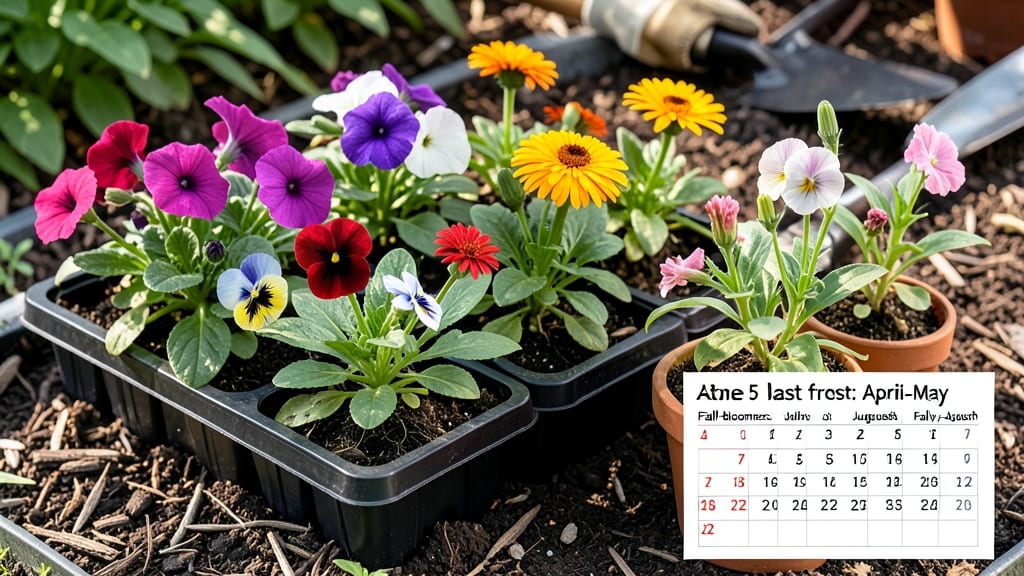
When to Plant Flowers in Zone 5: Perfect Timing for Strong Starts and Bold Blooms

Flowers

When to Plant Flowers in Zone 5: Perfect Timing for Strong Starts and Bold Blooms

Planting your Flowers at the right time in Zone 5 isn’t just about luck—it’s the difference between a garden that thrives and one that struggles.

Whether you’re dreaming of vibrant spring blooms or bold fall colors, getting the timing down pat means stronger roots, healthier growth, and a showstopping display all season long.

Spring is your prime window, but don’t wait too long—Zone 5’s last frost typically hits mid-to-late May, and planting too early can leave your delicate 🌸 vulnerable. Meanwhile, fall offers a second chance for hardy varieties, giving them time to establish before winter sets in.

The key? Knowing exactly when to dig in, whether you’re sowing seeds or transplanting starts.

I’ll break down the perfect planting schedule for annuals, perennials, and bulbs, so you can avoid common mistakes like frost damage or stunted growth. Plus, I’ll share tips for adjusting to Zone 5’s unpredictable weather—because even the best-laid plans need flexibility when Mother Nature throws a curveball.

Ready to transform your garden into a year-round paradise? Let’s get started with the timing secrets that’ll make your Flowers the envy of the neighborhood.

🌸 Flowers Planting by Zone
Find your USDA zone dates
Zone 3-4
May 15 - Jun 15
Zone 5
May 1 - May 31
Zone 5a-5b
Mid-to-late May5
Zone 7
Apr 1 - May 1
Zone 8
Mar 15 - Apr 15
Zone 9+
Feb 15 - Mar 31

Zone 5 flower planting calendar: month-by-month guide for annuals and perennials

Timing your Zone 5 flower plantings correctly means the difference between lush blooms and wilted disappointment. In this region, where last frosts can linger until mid-May and first frosts arrive by mid-September, strategic planting ensures your garden thrives year-round.

Let’s break down the perfect schedule for cool-season annuals, warm-season favorites, and fall-blooming perennials.

Your frost-free date is the golden rule—most gardeners in Zone 5 calculate this as May 15th, but it can vary by 1-2 weeks depending on elevation and microclimates. For example, Chicago’s average last frost is April 29th, while Denver’s can stretch to May 10th.

Always check your local USDA frost map or use a soil thermometer to confirm.

Here’s your month-by-month planting guide, tailored for Zone 5’s unique climate. Whether you’re sowing seeds, transplanting seedlings, or dividing perennials, this schedule keeps your garden blooming from spring to fall.

🌱 PRO TIP: Start seeds indoors 6-8 weeks before your last frost for warm-season flowers like marigolds and petunias. Cool-season flowers like pansies and snapdragons can often handle direct sowing as soon as the soil reaches 40°F.

<

How to adjust planting times for Zone 5’s unpredictable spring weather

Zone 5’s spring weather can be as unpredictable as a whimsical breeze—one day 60°F and sunny, the next 32°F with frost. This rollercoaster makes planting flowers a high-stakes game of chance. But with the right strategies, you can outsmart Mother Nature and give your blooms the best possible start.

The key? Flexibility and preparation to handle late frosts, soil temperature swings, and sudden heatwaves.

First, always check your last frost date, but don’t rely on it blindly. In Zone 5, frost can linger into mid-May, while heatwaves might arrive as early as late April.

I’ve learned the hard way that cool-season flowers like pansies and snapdragons can handle light frosts, but tender annuals like petunias and impatiens will wilt if planted too soon. The solution? Use a soil thermometer to confirm the ground has warmed to at least 50°F before planting heat-lovers.

⚠️ WARNING: Late Frost Risks & How to Avoid Them ⚠️

⚠️ Zone 5’s late frosts can strike even after Memorial Day!

Never assume frost is over—historical data shows 10-15% chance of frost in May. Protect tender plants with frost cloths or wait until mid-June for heat-lovers like marigolds and zinnias. For extra safety, start warm-season flowers indoors 6-8 weeks before your last frost date.

🌱 Pro Tip: Plant cold-hardy annuals like calendula or cosmos early—they’ll bloom faster and tolerate light frosts.

Soil temperature is your secret weapon against unpredictable weather. Most warm-season flowers need soil at 60°F+ to thrive, while cool-season varieties like lobelia or stock can handle 40-50°F soils. I keep a soil thermometer handy and test 2 inches deep—surface temps can be misleading.

If your soil is still chilly, opt for slow-growing perennials like coneflowers or black-eyed Susans, which establish roots gradually and handle cooler temps better.

Transplanting is another game-changer for Zone 5 gardeners. Instead of direct-sowing heat-loving flowers like geraniums or begonias in May, start them indoors in late March and transplant after the last frost. This gives them a 4-6 week head start and reduces shock.

Harden off seedlings by placing them outdoors for 2-3 hours daily the week before transplanting. For large perennials like daylilies, transplant in early fall (September) to give roots time to establish before winter.

Don’t overlook microclimates in your garden. A south-facing slope warms up faster than a north-facing bed, and paved areas radiate heat at night. Use these microclimates strategically: plant heat-loving flowers near walls or in sunny spots, while shade-tolerant varieties like impatiens thrive in cooler, shadier areas.

I’ve even used black plastic mulch to warm soil 5-10°F faster in early spring, giving tomatoes and peppers (yes, they’re flowers too!) an earlier start.

For extended bloom seasons, choose cold-hardy perennials and biennials that rebound after frost. Russian sage and catmint often bloom twice in one season—once in early summer and again in fall. Pair them with annuals like cosmos, which self-seed and keep blooming until frost.

If a late frost threatens, cover plants with row covers or move potted flowers to a sheltered spot. And always keep succession planting in mind: sow fast-growing annuals like bachelor’s buttons every 2-3 weeks for continuous color.

Finally, observe and adapt. Keep a garden journal to track frost dates, soil temps, and bloom times over the years. I’ve noticed my Zone 5b garden’s last frost has shifted 3-5 days earlier over the past decade—climate change is real, and so are its effects on gardening.

By staying flexible and choosing the right plants, you can turn Zone 5’s unpredictable spring into your garden’s superpower. 🌷

★★★★★4.9(14 reviews)
Categories Flowers
Month Plant Type Best Flowers to Plant Planting Method Notes
March Cool-Season Annuals & Perennials Pansies, Snapdragons, Sweet Alyssum, Calendula Direct sow or transplant Plant after soil thaws; protect with row covers if frost threatens.
April Cool-Season Annuals & Hardy Perennials Lobelia, Stock, Dianthus, Lavender Direct sow or transplant Ideal for early blooms; mulch to retain moisture.
May Warm-Season Annuals & Perennials Marigolds, Petunias, Zinnias, Coneflowers Transplant seedlings or direct sow after last frost Wait until soil is 60°F+; water deeply after planting.
June Warm-Season Annuals & Succession Planting Sunflowers, Cosmos, Nasturtiums, Basil (for pollinators) Direct sow every 2-3 weeks Extend blooms with succession planting; deadhead spent blooms.
July Late Warm-Season & Fall Prep Black-Eyed Susans, Bee Balm, Aster, Chrysanthemums Transplant or direct sow for fall blooms Start fall-blooming perennials now; mulch to protect roots.
August Fall Annuals & Bulbs Pansies, Sweet Peas, Calendula, Tulip Bulbs Direct sow or plant bulbs 6-8 weeks before first frost Perfect for cool-season color; protect from early frosts.